South Africa's Tariff Battle
South Africa requests US tariff exemptions amid forced labor probe and strained trade relations.
Anonymous
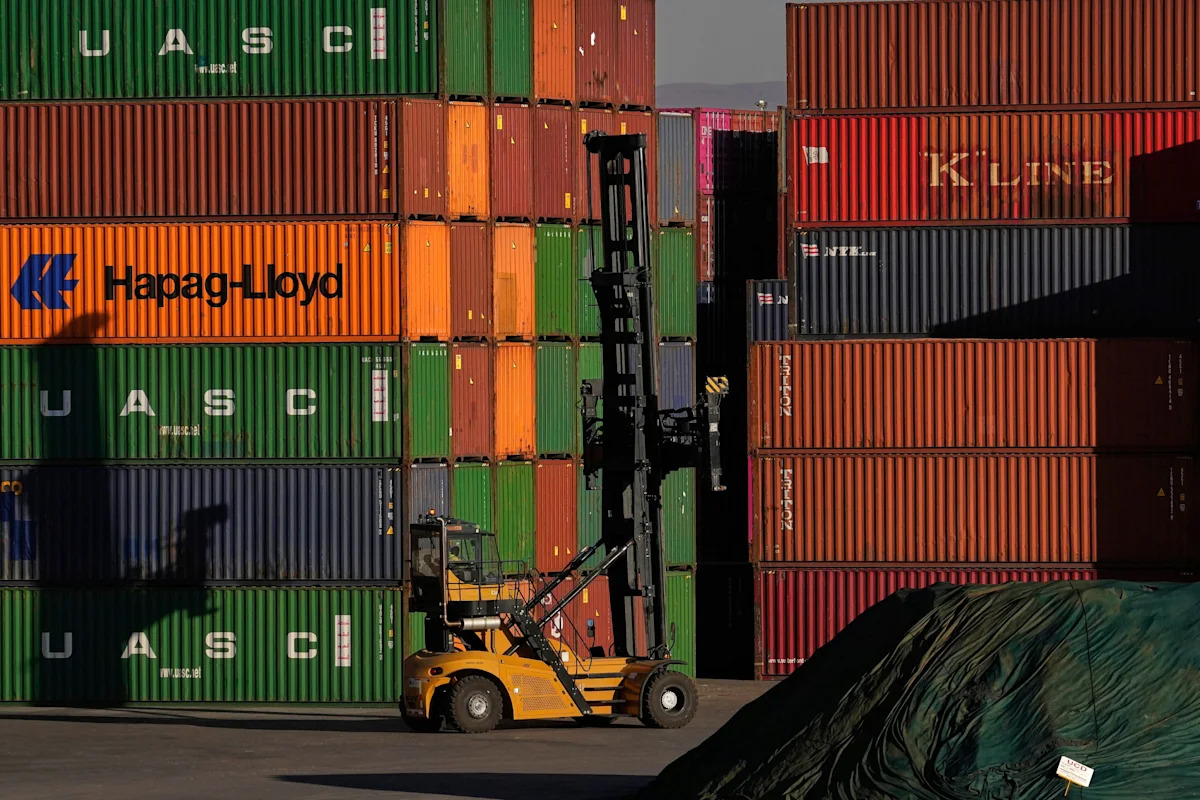
South Africa has formally asked the United States to exempt it from proposed tariffs tied to a U.S. investigation into forced labor in global supply chains, according to AP News. The South African delegation, led by the Department of Trade, Industry and Competition, made its case directly to U.S. officials, arguing that South Africa has strong laws against forced labor and should not face new trade penalties.
The exemption request covers some of South Africa's most important exports to the U.S., including platinum group metals, vehicles, citrus, seafood, wine, and nuts, AP News reported. The talks come as trade ties between the two countries remain tense, strained by disputes over tariffs, South African domestic policy, and disagreements over the war in Gaza.
What the U.S. Forced Labor Investigation Actually Covers
The U.S. launched a probe into whether it is properly enforcing its ban on imports made with forced labor. Under U.S. law, goods produced using forced labor cannot legally enter the country. The investigation looks at whether that ban is working as intended, The Independent reported.
Tariffs tied to this probe could raise costs for countries whose exports are flagged as at risk. South Africa wants to be removed from that list entirely. Its delegation argued that the country's own labor laws are strict enough to make its exports safe for U.S. markets, according to MyNorthwest.
Platinum, Cars, and Citrus: What South Africa Stands to Lose
The exports South Africa listed for exemption represent major parts of its economy. Platinum group metals are among the country's top earners. South Africa holds the world's largest known reserves of platinum. Vehicles, citrus fruits, seafood, wine, and nuts round out a diverse list of goods that could face higher costs if tariffs take effect, AP News reported.
New tariffs would make South African goods more expensive for U.S. buyers. That could push American companies to buy from other countries instead. For South Africa, which already faces high unemployment, losing U.S. market access would be a serious economic blow, according to Newsday.
A Relationship Already Under Serious Strain
The forced labor dispute is just the latest friction between Washington and Pretoria. The two countries have clashed recently over tariffs, South Africa's land reform policies, and its stance on the war in Gaza. South Africa took Israel to the International Court of Justice over the conflict, a move that angered U.S. officials, The Seattle Times reported.
The U.S. earlier this year threatened broad tariffs on South African goods as part of wider trade pressure. South Africa has pushed back, insisting it is a fair trading partner. The forced labor talks are now one more front in a relationship that has grown increasingly complicated, according to The Independent.
South Africa's Case: Strong Laws, Cooperative Government
The South African delegation did not just ask for an exemption — it made a legal argument. Officials said the country has robust laws banning forced labor and that its government actively enforces them. They argued this makes South Africa fundamentally different from countries where forced labor is a real and ongoing problem, WWLTV reported.
Whether the U.S. accepts that argument remains to be seen. No decision has been announced. If the exemption is denied, South Africa will face a much harder choice — absorb the cost of new tariffs or find new buyers for billions of dollars in goods it currently sells to American markets, according to AP News.
Sentiment
NeutralNEGATIVENEUTRALPOSITIVE
Publishers
8
Articles
7
Reach
8
Topics
A
AnonymousAuthor


