Biennale Russia Conflict
EU Halts Venice Biennale Funding as Russia Rejoins Amidst Ukraine War Protests
Anonymous
Key Points
1
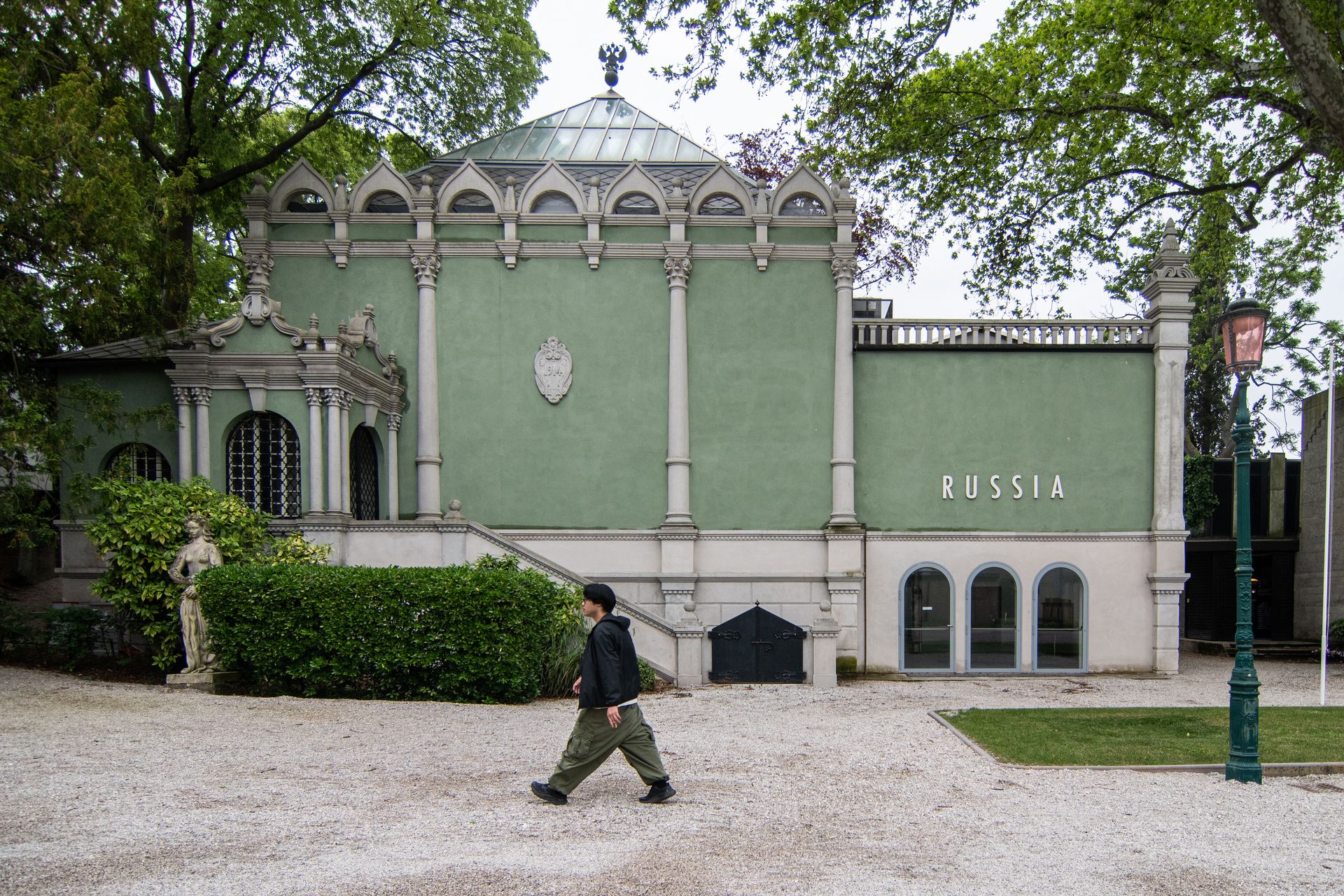
Russia’s return to the Venice Biennale in 2026 is the first participation since its 2022 invasion, with the pavilion reopening described as limited (not fully public) and the exhibit 'the tree is rooted in the sky' visible from outside through the building’s windows.
2
The €2 million EU grant to Fondazione La Biennale di Venezia was earmarked to support film producers and immersive technology projects, and it was suspended after the decision to permit Russia’s participation.
3
The European Commission initiated formal steps, giving the Biennale Foundation 30 days to abandon the plan or provide arguments to halt the procedure and requested official clarifications on the true nature of Russia’s participation.
4
Pietrangelo Buttafuoco, president of the Biennale Foundation, defended the decision to reopen Russia’s pavilion by stating the event would not allow preventative exclusion.
The European Union has halted a €2 million ($2.3 million) grant to the Venice Biennale after Russia returned to the world's largest contemporary art show for the first time since its 2022 invasion of Ukraine, according to Kyiv Independent. The European Commission said Russia's participation conflicts with EU values around democratic dialogue and freedom of expression.
United24 Media reported that European Commission spokesman Tom confirmed the funding cut, making clear the EU would not support an event it says fails to uphold open and inclusive cultural exchange. Ukraine and several European nations have sharply condemned Russia's return.
Russia's Pavilion Returns With a Limited Showing
Russia's pavilion at the 2026 Venice Biennale is its first appearance since the full-scale invasion of Ukraine began in February 2022. The exhibit, titled 'the tree is rooted in the sky,' is not fully open to the public. Visitors can only view it from outside through the building's windows, according to Novinite.
Pietrangelo Buttafuoco, president of the Biennale Foundation, defended the decision. He said the event would not allow what he called "preventative exclusion." Critics pushed back hard. Some observers compared Russia's return to inviting a "serial killer" to a dinner. The international jury resigned in protest.
EU Pulls €2 Million Grant, Demands Clarification
The €2 million grant was originally earmarked to support film producers and immersive technology projects. The European Commission's Education and Culture Executive Agency (EACEA) suspended the funds once Russia's participation became clear, according to Kyiv Independent. The Commission then moved to formally cancel the grant entirely.
The Commission gave the Biennale Foundation 30 days to either drop Russia's participation or submit arguments to stop the cancellation process. It also asked for official clarification on the true scope of Russia's role in the event, Yahoo Finance reported.
EU Says Cultural Funding Must Reflect European Values
EU officials were direct about their reasoning. They said cultural funding must protect open dialogue, diversity, and free expression. Russia's actions, they argued, do not meet those standards — especially given its ongoing war in Ukraine. The Commission's legal team reviewed the case before recommending the grant be terminated, according to United24 Media.
The EU's move sends a clear signal: public money tied to European institutions will not flow to events that platform Russia. The Biennale Foundation, however, has stood firm, saying art should remain a space for dialogue even in times of conflict.
Ukraine and Allies Protest Russia's Art World Return
Ukraine and Kyiv officials strongly condemned the decision to let Russia back into the Biennale. Several European countries joined in the protest, according to Novinite. The resignation of the international jury added weight to the backlash, signaling deep unease across the global arts community.
The row puts the Venice Biennale in a difficult spot. It lost €2 million in EU support and faces pressure from allies of Ukraine. Yet its leadership insists on keeping the event open to all nations. The standoff shows how far Russia's war has reached — into museums, galleries, and art fairs far from the front lines.
Sentiment
Mostly NegativeNEGATIVENEUTRALPOSITIVE
Publishers
21
Articles
39
Reach
60
A
AnonymousAuthor