Clancy Trial Closing Arguments Loom
Clancy Murder Trial Enters Final Stages as Psychiatric Experts Debate Criminal Responsibility
Key Points
Dr. Avram Mack testified that Clancy was experiencing a major depressive episode, and that psychosis by itself does not automatically prevent a person from knowing right from wrong; he also noted that he did not find manic episodes, which challenges a bipolar diagnosis in this case.
If the jury finds Clancy not criminally responsible, she would be committed to a Massachusetts state psychiatric hospital rather than returned to prison.
Forensic psychiatrist Dr. Phillip Resnick, a well-known figure from the Andrea Yates case, testified that Clancy was suffering from postpartum psychosis and lacked control over her actions.
The trial is being broadcast for public viewing, with options to watch live on CBS News Boston or WBZ-TV’s YouTube page while court is in session.
Outside the courthouse, demonstrations are planned, with some attendees wearing white in remembrance of the three children and others in pink to show support for Clancy.
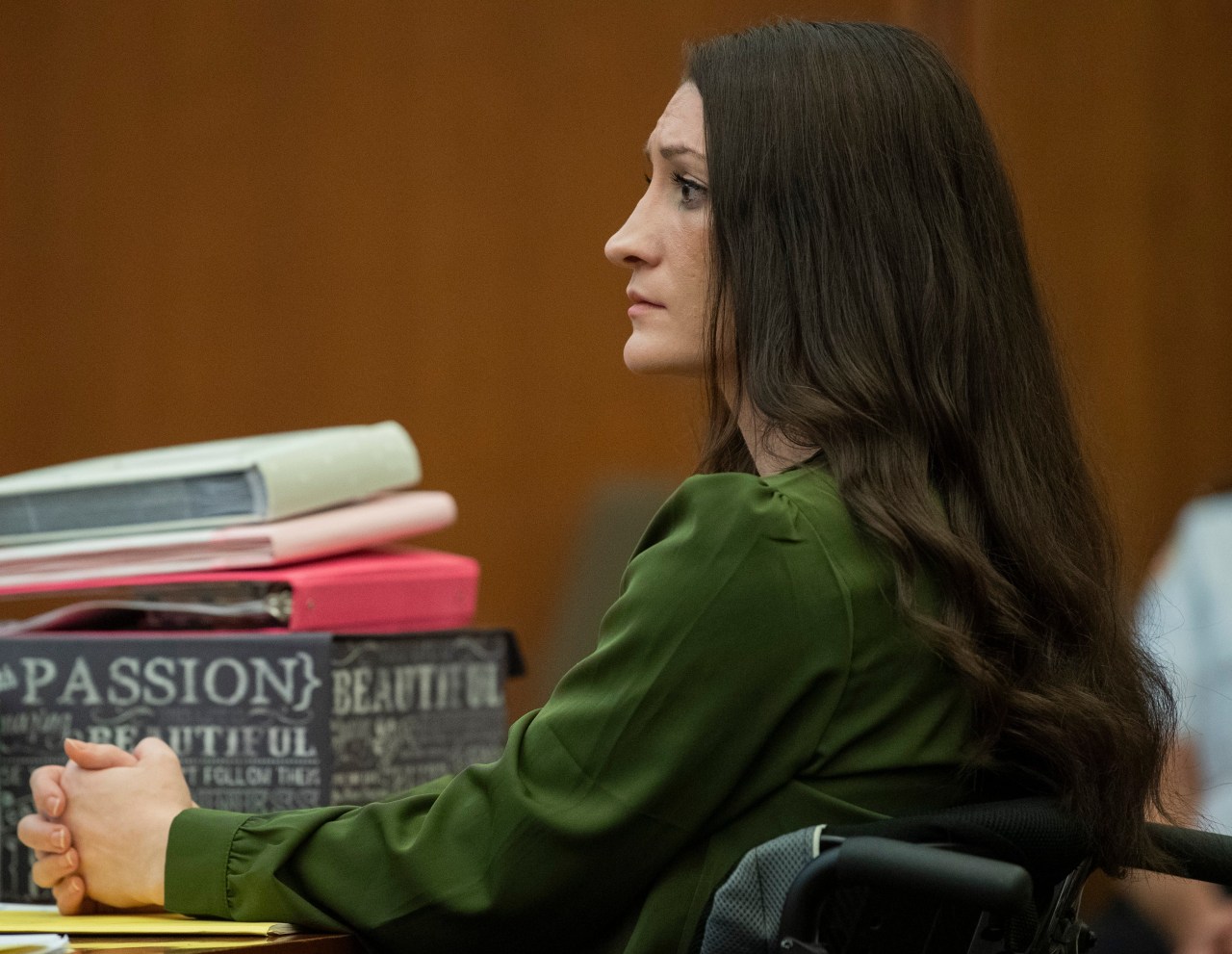
The Lindsay Clancy murder trial in Plymouth, Massachusetts, entered its fifth week with prosecutors presenting rebuttal witnesses to counter the defense's insanity claims Fox News. Clancy, a 36-year-old mother of six, faces three counts of first-degree murder in the deaths of her three children — Cora, Dawson, and Callan, all younger than 6 Fox News. The core dispute centers on whether severe mental illness prevented her from knowing right from wrong at the time of the killings.
The defense called renowned forensic psychiatrist Dr. Phillip Resnick, who testified that Clancy suffered from postpartum psychosis and lacked control over her actions WFLA. Prosecutors countered with their own psychiatric experts to argue she could still understand her conduct was wrong, pushing the jury toward criminal responsibility Fox News. Closing arguments could begin soon as both sides make their final cases.
Psychiatrists Clash Over Postpartum Psychosis vs. Depression
Dr. Avram Mack, a prosecution rebuttal witness, testified that Clancy was experiencing a major depressive episode, not postpartum psychosis Fox News. He stated that psychosis alone does not automatically prevent someone from knowing right from wrong. Mack found no evidence of manic episodes, which challenges the defense's bipolar disorder diagnosis Fox News.
The defense argues Clancy was overmedicated and overwhelmed by severe mental illness, making her unable to control her actions Boston 25 News. This dueling psychiatric testimony will likely shape how jurors view her mental state on the day of the killings. The jury must decide which expert's interpretation of her condition is more credible.
What Happens If She Is Found Not Criminally Responsible
If the jury finds Clancy not criminally responsible due to insanity, she will not return to prison. Instead, she would be committed to a Massachusetts state psychiatric hospital. This outcome would mean treatment rather than imprisonment, though she would remain institutionalized.
A conviction for first-degree murder, by contrast, could result in life in prison without the possibility of parole. The jury's decision about her mental state will determine whether she faces decades behind bars or psychiatric care. This distinction makes the trial's mental health testimony critical.
Public Demonstrations Reflect Deep Division Over Case
Outside the courthouse, supporters and detractors have staged demonstrations as the trial moves toward closing arguments. Some attendees wear white in remembrance of the three children who died. Others wear pink to show support for Clancy and raise awareness about maternal mental health Fox News.
The trial is being broadcast live for public viewing on CBS News Boston and WBZ-TV's YouTube page NBC Boston. This public access allows people across the state to follow the case closely. The trial's visibility has sparked emotional responses on both sides of the legal debate.
Rebuttal Witnesses Shape Final Arguments Before Jury
Prosecutors are calling their final rebuttal witnesses to counter the defense's psychiatric claims Boston 25 News. These witnesses aim to show Clancy understood her actions were wrong or to challenge the extent of any psychosis she experienced. Their testimony directly shapes what arguments each side will make during closing statements.
The prosecution must convince jurors of criminal responsibility despite evidence of mental illness. The defense must prove Clancy was so mentally ill that she could not conform her behavior to the law. Closing arguments will distill five weeks of complex psychiatric testimony into a final persuasive case.
Sentiment
Mostly NegativePublishers
12
Articles
14
Reach
26