US-Iran Conflict Intensifies
US-Iran Strikes Enter Ninth Night; Hormuz Unsafe as Conflict Escalates and Oil Prices Spike
Anonymous
Key Points
1
IRGC claimed a surprise strike against the enemy’s special operations headquarters in Syria’s Al-Tanf area, and said it targeted US aircraft at Jordan’s Aqaba airport with ballistic missiles.
2
Tasnim News Agency reported explosions in multiple Iranian provinces and cities—Tabriz, Chabahar, Konarak, Bandar Mahshahr, and Bandar Imam Khomeini—during the ninth night of attacks.
3
Casualties to date include one US service member killed in northern Iraq during the controlled detonation of unexploded ordnance from a downed Iranian drone, and two US service members killed in Jordan with one missing; the death was later described as accidental by Secretary of State Marco Rubio.
4
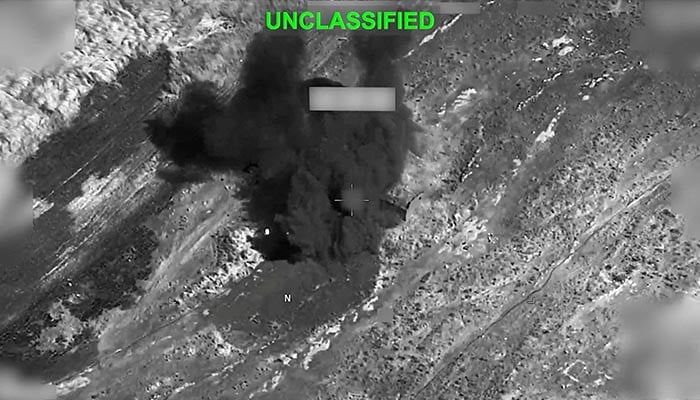
US forces reportedly have hit around 90 distinct Iranian targets since the campaign began, including air defense systems, ballistic missile storage facilities and naval infrastructure along Iran’s southern coast.
5
There were reports of projectile damage near the Bushehr nuclear power plant perimeter, with international observers noting multiple impact events near the facility’s fence and prompting heightened alarm.
The United States struck Iran for a ninth consecutive night, hitting military command centers, air defenses, and coastal surveillance sites as fighting spread to new theaters. Iran's Revolutionary Guard Corps declared the Strait of Hormuz unsafe and claimed two commercial oil tankers exploded in the corridor, rattling global energy markets. Geo.tv reported the tankers were hit after attempts to navigate the disputed waterway.
Brent crude surged past $90 a barrel — a roughly 2% jump in a single session — as traders priced in the risk of a prolonged shipping shutdown. The US military has now struck around 90 distinct Iranian targets since the campaign began, according to Aaj TV.
IRGC Fires Back at US Bases in Jordan and Syria
Iran's Revolutionary Guard said it launched ballistic missiles at US aircraft stationed at Jordan's Aqaba airport. The IRGC also claimed a strike on a US special operations headquarters in Syria's Al-Tanf area. Both attacks marked a sharp geographic expansion of the conflict beyond Iranian soil.
US casualties are mounting. One service member was killed in northern Iraq during the controlled detonation of an unexploded Iranian drone. Two more were killed in Jordan. Secretary of State Marco Rubio later described that death as accidental. One US service member remains missing, according to The Frontier Post.
Explosions Hit Five Iranian Cities in Single Night
Tasnim News Agency reported blasts in at least five Iranian cities during the ninth night of strikes: Tabriz, Chabahar, Konarak, Bandar Mahshahr, and Bandar Imam Khomeini. The sites include key port facilities and naval infrastructure along Iran's southern coast.
Perhaps most alarming, reports surfaced of projectile impacts near the perimeter of the Bushehr nuclear power plant. International observers noted multiple impact events near the facility's fence. The reports prompted immediate concern from nonproliferation experts about the safety of nuclear infrastructure in an active conflict zone.
Hormuz Closure Sends Oil Markets Into Shock
Iran's declaration that the Strait of Hormuz is unsafe sent shockwaves through energy markets. Brent crude topped $90 a barrel, up roughly 2% on the day, according to Aaj TV. The strait carries roughly 20% of the world's traded oil. Even partial disruption can spike global prices fast.
Markets from Asia to East Africa are already feeling the strain. Shipping companies are rerouting tankers around the Arabian Peninsula, adding days and cost to each voyage. Streamline Feed reported that the bombardment has hit dozens of targets tied to Iran's ability to monitor and threaten commercial vessels.
US Signals Resolve but Leaves Door Open for Diplomacy
US officials have insisted the strikes will continue until Iran stops threatening shipping and pulls back its military posture in the region. Secretary of State Rubio reaffirmed Washington's resolve after news of the latest American casualties broke. President Biden also addressed the nation, stressing that the US would not back down.
At the same time, both sides have left narrow openings for talks. US officials signaled a diplomatic path remains possible if Iran agrees to conditions on its missile program and regional proxy forces. For now, with nine nights of strikes and no ceasefire in sight, the conflict shows no signs of slowing down, according to Aaj TV.
Sentiment
Mostly NegativeNEGATIVENEUTRALPOSITIVE
Publishers
84
Articles
281
Reach
365
A
AnonymousAuthor


