Saudi Energy Operations Halted
Houthi Missile and Drone Strikes Injure 73 and Disrupt Saudi Energy Operations
Anonymous
Key Points
1
The attacks followed weeks of escalating clashes between the Houthis and Saudi-backed Yemeni government forces, effectively shattering a four-year truce in Yemen’s civil war.
2
The strikes were described as one of the Houthis’ largest attacks on Saudi Arabia in years, raising fears that the previously subdued conflict could return to full-scale war and open another front in the wider Middle East crisis.
3
The attacks added to pressure on oil markets: Brent crude was trading at about $99 a barrel in early Tuesday trading, while shipments through the Strait of Hormuz had nearly halted amid the broader regional conflict.
4
Saudi-led coalition spokesperson Maj. Gen. Turki al-Malki called the attacks a “dangerous escalation” and said the coalition would “take all necessary measures and actions to respond to the sources of the threat and neutralise its danger.”
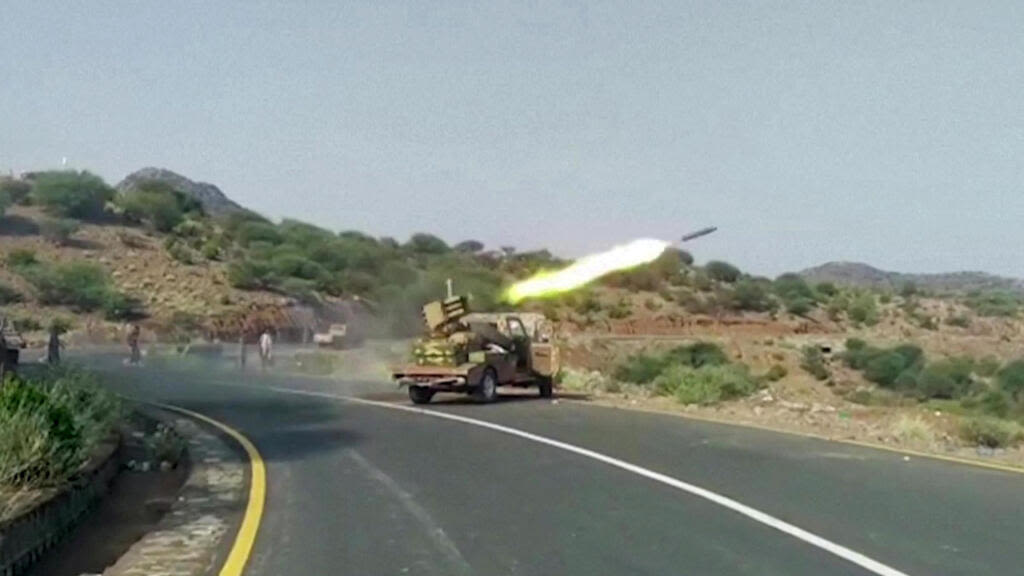
Houthi forces launched coordinated missile and drone attacks on four Saudi cities on Tuesday, wounding 73 civilians and forcing Saudi Aramco to halt operations at its massive Jazan refinery. France24 reported that fires broke out at energy facilities across Abha, Khamis Mushait, Jazan, and Najran, marking one of the largest Houthi strikes on Saudi Arabia in years and shattering a four-year-old ceasefire in Yemen's civil war.
The attacks threaten global oil markets and regional shipping. Financial Times noted the strikes targeted the Jazan industrial area, home to a 400,000-barrel-per-day refinery. Brent crude was trading near $99 a barrel Tuesday, while broader regional conflict has nearly halted shipments through the Strait of Hormuz, a critical global energy chokepoint.
Coordinated Strike Hits Four Southern Cities
The Houthis struck Abha, Khamis Mushait, Jazan, and Najran with synchronized missile and drone attacks on Tuesday. France24 reported fires erupted at oil facilities and utility sites across the region. Saudi emergency teams worked to secure facilities and assess damage. No immediate casualties among energy workers were reported, but the coordinated nature of the strikes suggested careful planning and improved military capability.
Saudi-led coalition spokesperson Maj. Gen. Turki al-Malki called the attacks a "dangerous escalation" and vowed the coalition would "take all necessary measures and actions to respond to the sources of the threat." Financial Times reported that the strikes disrupted operations at multiple energy sites, though officials downplayed the severity of damage to critical infrastructure.
Saudi Aramco Refinery Forced to Temporarily Shut Down
Saudi Aramco halted operations at the Jazan Refinery, one of the kingdom's largest facilities with a daily capacity of 400,000 barrels. Headtopics reported the shutdown followed direct hits to the refinery complex. The closure removes significant crude processing capacity from regional markets at a sensitive moment for global oil supplies.
The refinery's temporary closure adds pressure to already tight energy markets. Brent crude climbed near $99 per barrel Tuesday as traders priced in supply uncertainty. Additional attacks on energy infrastructure could push prices higher and disrupt deliveries to Europe and Asia if the facility remains offline for extended periods.
Ceasefire Collapse Raises Fears of Full-Scale War Return
Tuesday's attacks followed weeks of escalating clashes between Houthis and Saudi-backed Yemeni government forces, effectively ending a four-year truce. France24 described the strikes as part of a dangerous new pattern of Iranian-backed rebel aggression. Military analysts warned the collapse of the ceasefire could push Yemen back toward full-scale civil war and create another conflict front in the destabilized Middle East.
The strikes coincide with broader regional tensions. Shipping through the Strait of Hormuz—a chokepoint for 21% of global oil—has nearly halted due to wider Middle East conflict. If Saudi-led coalition retaliation triggers a new Houthi response cycle, regional energy supplies and maritime commerce could face prolonged disruption, driving oil prices higher and threatening global economic stability.
Sentiment
Mostly NegativeNEGATIVENEUTRALPOSITIVE
Publishers
58
Articles
100
Reach
158
A
AnonymousAuthor


