Afghanistan's Deepening Human Rights Crisis
Taliban Mark Five Years in Power as UN Warns of Grave Human Rights Crisis
Key Points
The UN special rapporteur on Afghanistan, Richard Bennett, warned of a grave human rights crisis that goes beyond gender restrictions, naming arbitrary arrests, torture and ill treatment, extrajudicial killings, corporal punishment, enforced disappearances, restrictions on freedom of expression, attacks on journalists and human rights defenders, and persecution of minorities.
Brown University estimates during the nearly 20-year war in Afghanistan, civilian deaths exceeded 46,000 and Afghan security forces losses approached 70,000.
There have been high-profile assassinations in the northeast, including the killing of the Taliban’s information director in Badakhshan and the death of the capital’s mayor, underscoring ongoing security threats despite anniversary celebrations.
A human-interest detail highlights the impact on Afghan women: Fatima, a 28-year-old makeup artist, fled to Iran after the Taliban takeover and could continue working there, as Taliban bans on women working in Afghanistan prevent her return.
August 15 has been declared a public holiday in Afghanistan to mark the Taliban’s return to power, with celebrations and official ceremonies continuing across the country.
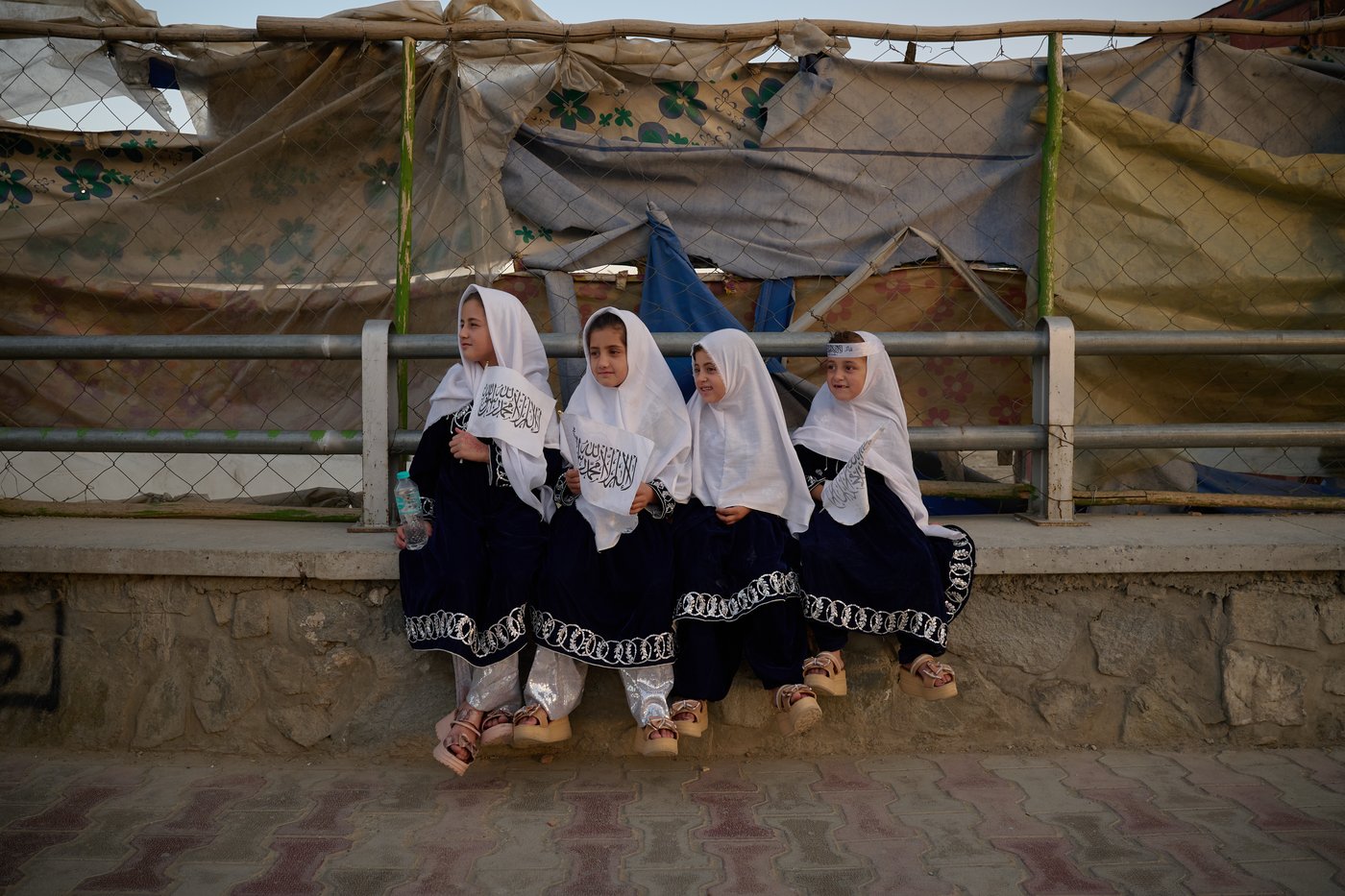
Five years after the fall of Kabul, the Taliban marked their return to power with military parades, flag-waving ceremonies, and flowers dropped from helicopters across Afghanistan Newsposl. August 15 is now a public holiday, and celebrations stretched from the capital to the provinces — but a top United Nations official says the anniversary masks a deepening human rights catastrophe.
UN Special Rapporteur Richard Bennett warned that the crisis goes far beyond restrictions on women. He named arbitrary arrests, torture, extrajudicial killings, enforced disappearances, and the targeting of journalists and minorities as urgent concerns Kurdistan24.
Taliban Claim Victory, Urge World to Engage
Taliban officials used the anniversary to project confidence. They highlighted claimed achievements in security and economic self-reliance, and called on other nations not to conspire against Afghanistan Kurdistan24. Leaders framed the five-year mark as a divine victory and credited morale and religious conviction for holding the country together.
Ceremonies featured military parades and flag-waving crowds. Officials said stability had returned after two decades of war Newsposl. Brown University estimates that nearly 20 years of conflict killed more than 46,000 Afghan civilians and nearly 70,000 Afghan security forces — the backdrop against which the Taliban now claim peace.
UN Warns of Rights Crisis Beyond Gender Bans
Bennett's warning was stark. He said the Taliban's abuses extend well beyond banning girls from school. His list included corporal punishment, extrajudicial killings, and the persecution of ethnic and religious minorities Kurdistan24. Freedom of expression has been gutted, and journalists and human rights defenders face direct attacks.
Women remain the most visibly affected group. Fatima, a 28-year-old Afghan makeup artist, fled to Iran after the Taliban takeover. She can work legally there — something impossible inside Afghanistan under Taliban bans on women's employment Springfield News-Sun. International aid groups say humanitarian needs continue to grow with no clear path to relief.
Assassinations and Attacks Expose Security Gaps
Despite the celebratory tone, deadly violence punctured the anniversary period. In the northeast, the Taliban's information director in Badakhshan was assassinated. The mayor of the capital also died in a high-profile attack WD Times. These killings exposed the fragile security reality beneath official claims of order and control.
Attacks on provincial officials signal that armed opposition has not disappeared. The Taliban control the country militarily, but they face persistent threats — particularly in the northeast Infonews. Security analysts say the five years since the U.S. withdrawal have been marked by low-level but ongoing violence.
World Remains Split on Recognizing Taliban Rule
No country has formally recognized the Taliban government five years in. Some states are pursuing cautious diplomatic ties and limited engagement Kurdistan24. Others — particularly Western nations — tie any recognition to improvements on women's rights and press freedom, conditions the Taliban show no sign of meeting.
Aid organizations warn that international isolation is making things worse for ordinary Afghans. Humanitarian funding has dropped as donor fatigue sets in, while needs remain severe Newsposl. The Taliban, for their part, say they are open to engagement — but on their own terms.
Sentiment
Mostly NegativePublishers
18
Articles
177
Reach
195


