Big 12 Tuition Breakdown
New Ranking Details Full Cost of Attendance at All 16 Big 12 Schools
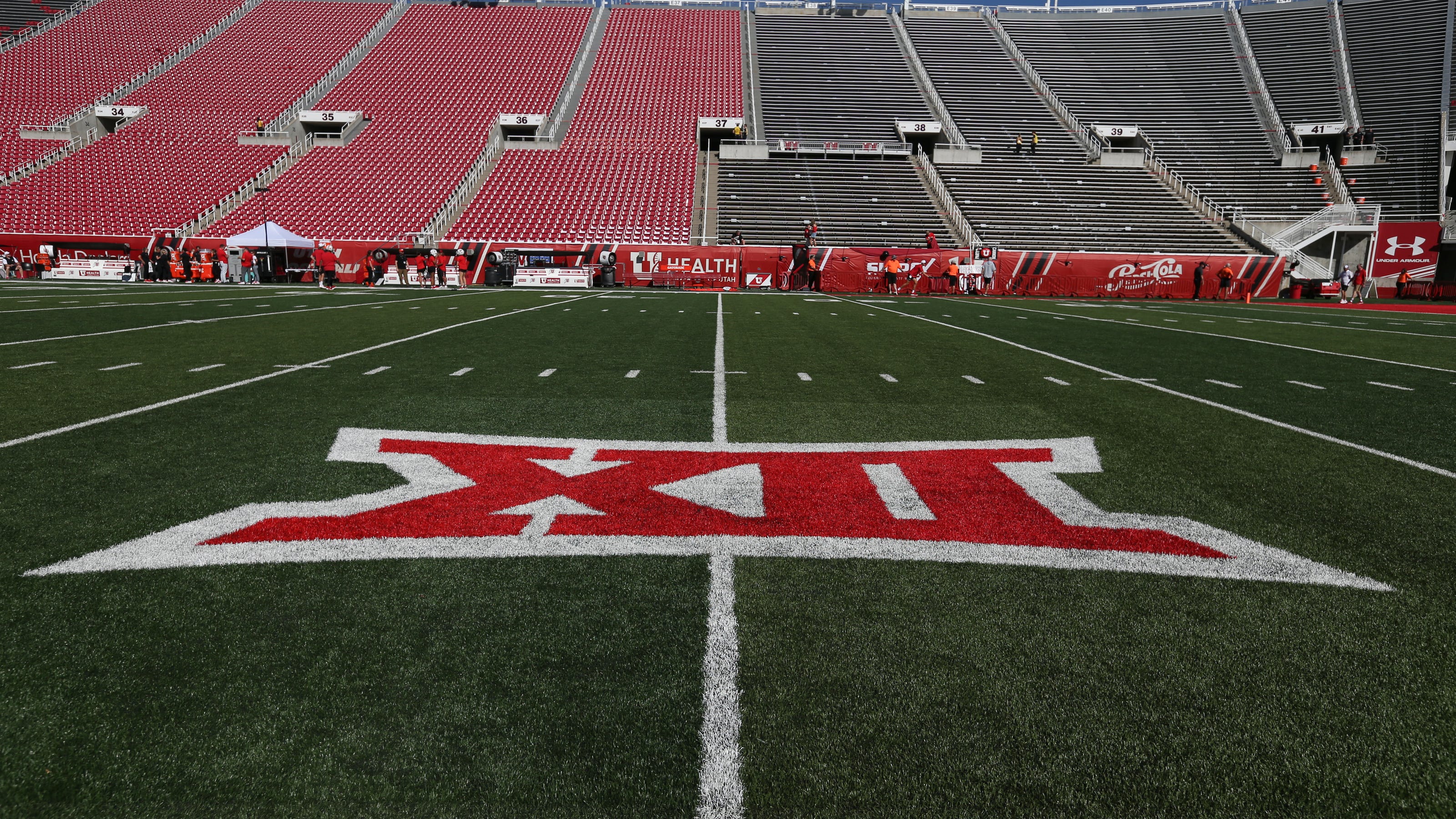
Picking a Big 12 school isn't just about sports or academics — it also comes with a very different price tag depending on where you enroll. A new ranking from USA Today compares all 16 Big 12 conference schools by total cost of attendance for one year, covering tuition, room and board, food, activity fees, and more.
The gap between the cheapest and most expensive schools in the conference is striking. Whether you're a student, parent, or fan, the numbers reveal just how much the cost of a Big 12 education can vary from state to state and campus to campus.
What Goes Into the Total Cost of Attendance
Cost of attendance is more than just tuition. It includes room and board, a meal plan, student activity fees, transportation, and personal expenses. Schools calculate this number each year to give students a full picture of what they will actually spend. USA Today used each school's official published figures for the ranking.
This total number matters because it affects how much financial aid a student can receive. Federal aid packages are built around the full cost of attendance, not just tuition alone. So a school with a higher sticker price may still be affordable if it offers strong aid.
Most Affordable Big 12 Schools on the List
Schools in Texas and Oklahoma tend to land near the bottom of the cost rankings, meaning they are among the cheapest options. States with strong in-state tuition programs and lower costs of living help keep those totals down. The Oklahoman highlighted that some Big 12 schools come in well under $30,000 per year for in-state students.
Public universities in the conference generally cost less than private ones. In-state students at those schools get the biggest discount. Out-of-state students, however, often pay two to three times more, which can flip a school from
Most Expensive Big 12 Schools and Why Costs Run High
Private schools and universities in high cost-of-living cities tend to sit at the top of the list. Cincinnati.com noted that some Big 12 schools push total annual costs past $55,000 or more when all expenses are added together. Room and board alone can account for $12,000 to $16,000 of that figure.
Higher fees at larger research universities also drive up costs. Student activity fees, health center charges, and technology fees can add thousands of dollars on top of base tuition. These smaller line items are easy to overlook but add up fast over four years.
What the Rankings Mean for Students Choosing a School
The ranking is a useful starting point, but experts say students should look beyond the sticker price. CJ Online pointed out that schools with higher costs sometimes offer more generous scholarship and grant packages, which can bring the actual out-of-pocket cost down significantly.
The best move for any prospective student is to compare net price — what you actually pay after aid — not just the published cost of attendance. A $55,000-per-year school with a $25,000 scholarship may end up cheaper than a $35,000 school with no aid at all.
Sentiment
NeutralPublishers
9
Articles
8
Reach
9


