Ofwat Approves Water Bill Hikes
Ofwat Provisionally Approves £3.4 Billion Extra Spending for Five Water Firms, Leading to Future Bill Hikes
Key Points
The provisional bill uplifts by 2030 for the five companies are detailed as: Southern Water about £80 per year; Thames Water £3 in 2027 and £5 in 2029; Severn Trent £3 in 2027 and £5 in 2029; Wessex Water £4 in 2027 and £7 in 2029; South East Water £1 in 2029.
Ofwat disclosed it rejected about £752 million of the requested spending, noting that some funds were not delivered for work previously funded.
The extra £3.4bn is broken down into about £1.2bn to safeguard water services and assets and roughly £477m to enable housebuilding and datacentre development.
The package sits on top of a broader £104bn programme approved for 2025–2030, with the extra funding bringing the total to just under £108bn and contributing to an estimated 36% increase in bills across the sector in the latter half of the decade.
Britain's water regulator Ofwat has provisionally approved an extra £3.4 billion in spending by five water companies, meaning bills for millions of households will rise between 2027 and 2030. The five firms — Thames Water, Severn Trent, Southern Water, Wessex Water, and South East Water — can now plan upgrades to leaking pipes, remove toxic PFAS chemicals from drinking water, and connect new homes and data centres to the network, according to The Independent.
The extra funding sits on top of a broader £104 billion programme already approved for 2025–2030, pushing the total to just under £108 billion. Ofwat will hold a public consultation until September 24, with final decisions due in December, This is Money reported.
How Much Will Your Water Bill Actually Rise?
Southern Water customers face the steepest increase — about £80 extra per year by 2030, The Independent reported. That is by far the largest rise among the five companies. For Thames Water customers, the increases are much smaller: £3 per year added in 2027, then a further £5 in 2029.
Severn Trent customers will see the same phased rise as Thames Water — £3 in 2027 and £5 in 2029. Wessex Water bills go up £4 in 2027 and £7 in 2029. South East Water customers face a £1 rise in 2029 only. Across the whole sector, bills are expected to climb about 36% in the second half of the decade, according to Daily Mail.
What the £3.4bn Will Actually Pay For
Ofwat broke down the spending into clear chunks. About £1.2 billion will go toward protecting water services and ageing assets — think leaking pipes and failing infrastructure. A further £477 million will fund connections for new housing developments and data centres, The Sun reported.
A significant portion will also go toward removing PFAS — so-called "forever chemicals" — from drinking water. PFAS are man-made chemicals that do not break down naturally and have been linked to health problems. Ofwat rejected roughly £752 million of the original £4.3 billion request, saying some money had been claimed for work that was never completed, according to This is Money.
Ofwat Promises Clawbacks if Companies Underdeliver
Ofwat stressed that companies will not get a blank cheque. The regulator said it will watch performance closely and claw back money if firms overspend or fail to deliver promised upgrades. This is meant to protect customers from paying for work that does not happen — a key concern after years of criticism over sewage discharges and poor transparency.
The provisional approval follows a three-month review of the original requests. Newswav noted the government is also pushing for wider reform of the water sector. Industry groups have faced sustained pressure over sewage dumping into rivers and the sea, and the approval comes with strings attached to ensure accountability.
Thames Water's Smaller Role in a Bigger Package
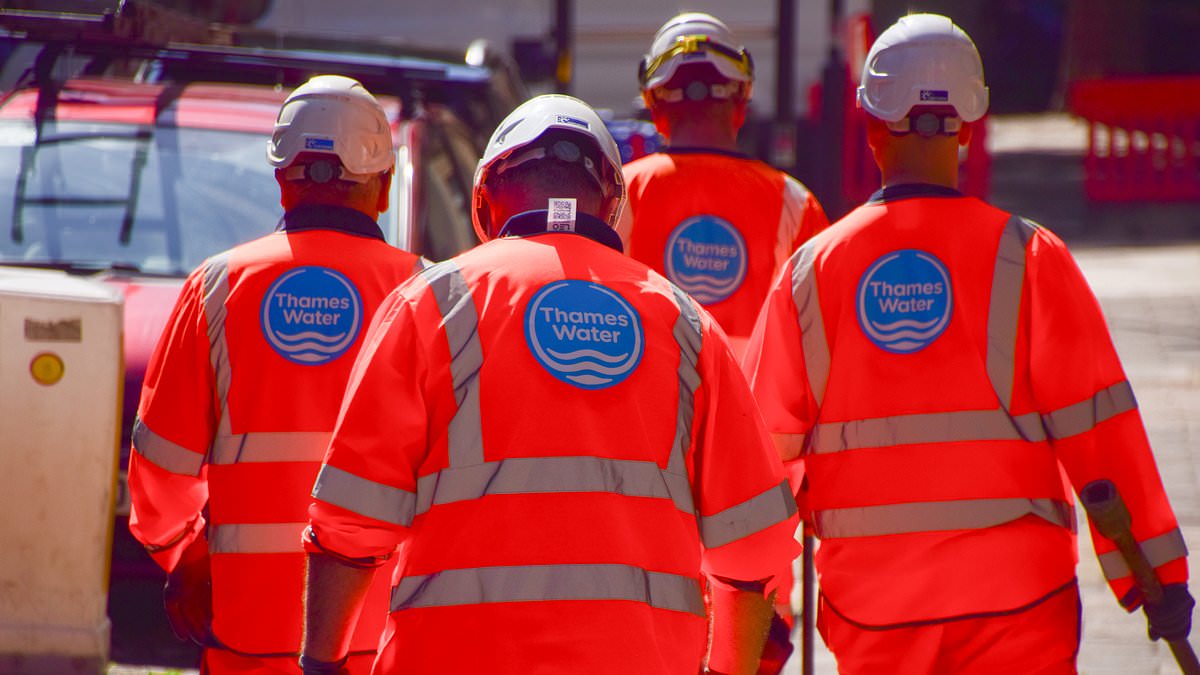
Thames Water, currently under intense financial and regulatory pressure, gets a comparatively modest uplift. Its customers will pay just £3 more per year in 2027 and £5 more in 2029. That is far below Southern Water's £80-per-year increase, reflecting the different scale of approved projects for each company.
The phased approach — spreading rises across 2027, 2028, 2029, and 2030 — is designed to soften the blow for households. Ofwat said final decisions will come in December, after public feedback is gathered. The water companies now have until the September 24 deadline to see customer responses shape the final outcome, The Independent reported.
Sentiment
Mostly NegativePublishers
13
Articles
54
Reach
67