Disputed Kurils Tensions Rise
Putin Visits Disputed Kuril Islands, Reinforcing Moscow's Claim Amid Japan's Protests
Key Points
Putin’s remarks referenced the four southern Kuril islands by name—Etorofu, Kunashiri, Shikotan and the Habomai islets—emphasizing Moscow’s control while Japan calls them the Northern Territories.
Putin said Japan’s territorial claims persisted and that Moscow had constructive relations with Tokyo on the issue under Shinzo Abe’s administration, with ‘changes in positions’ he warned were not provoked by Russia.
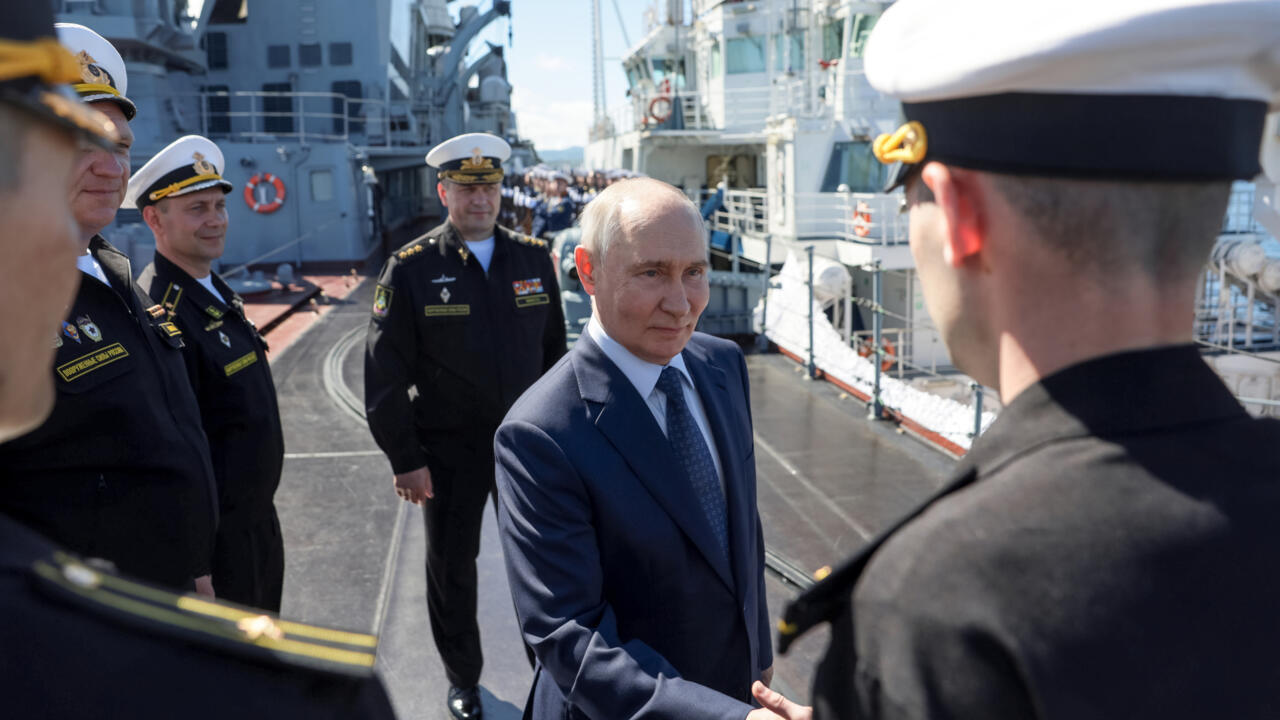
The visit included Putin aboard the missile cruiser Varyag and him observing a Pacific Fleet drill, adding a military dimension to the Iturup appearance.
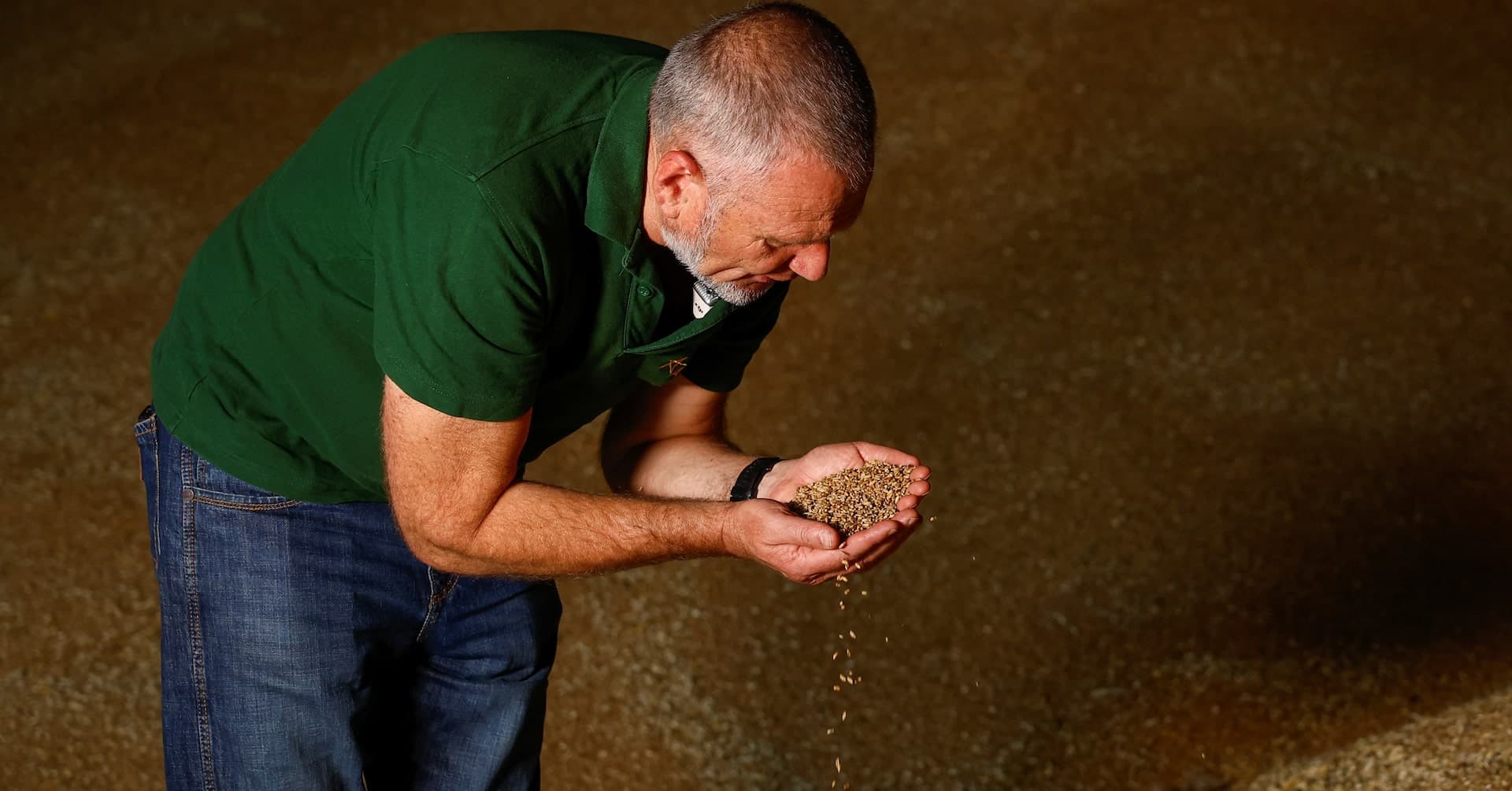
Images released by media showed officials discussing migratory behaviour of fish as Putin looked at tuna and halibut and sampled local fish roe during the stop at Iturup.
Russian President Vladimir Putin visited Iturup Island in the disputed Kuril chain on Wednesday, marking what state media called his first in-person trip to the territory. The visit immediately drew a formal protest from Japan, which also claims the four southern Kuril islands as its own Northern Territories. France 24 reported the trip prompted a strong diplomatic response from Tokyo.
Putin inspected the Yasny fish-processing plant on Iturup, examining tuna and halibut and sampling local fish roe. Earlier, he boarded the missile cruiser Varyag to oversee a Pacific Fleet drill, adding a sharp military edge to what was otherwise billed as an economic visit, according to RFI.
A Dispute Frozen Since World War II
The Soviet Union seized the four southern Kuril islands — Etorofu, Kunashiri, Shikotan, and the Habomai islets — at the end of World War II in 1945. Russia and Japan have never signed a formal peace treaty because of the dispute. Daily Beirut noted that both countries claim full sovereignty over the chain.
Japan calls the islands the Northern Territories. Russia calls them the Kurils and treats them as sovereign Russian land. The disagreement has blocked a peace deal for nearly 80 years. Putin referenced all four islands by name during his visit, a clear signal of Moscow's firm position.
Putin Warns of Shifts in Japan's Position
During the visit, Putin said Japan's territorial claims had continued and acknowledged that Russia once had constructive relations with Tokyo on the issue under former Prime Minister Shinzo Abe. But he warned that there had been "changes in positions" — and that Russia did not provoke those changes.
WDC News 6 reported that Japan formally protested the visit. Tokyo's government called the trip "unacceptable" and summoned the Russian ambassador. The protest reflects how badly ties have deteriorated, especially after Japan imposed sanctions on Russia over the war in Ukraine.
Military Drills Add Pressure to the Diplomatic Row
Before landing on Iturup, Putin watched Pacific Fleet exercises from aboard the missile cruiser Varyag. The drills were held in Russia's Far East. The combination of a military review and a visit to disputed territory sent a pointed message to Japan and other observers in the region.
Morning Chronicle reported that Putin held a meeting on the security of Russia's eastern borders during the visit. That framing — security, not just fishing — underscores how Moscow views the Kuril Islands: not just as an economic asset, but as a strategic military foothold in the Pacific.
Fish, Sanctions, and a Relationship Gone Cold
Putin's photo opportunity at a fish plant — examining tuna and halibut, tasting local roe — was designed to highlight the islands' economic value. Officials briefed him on migratory patterns of fish in the region. The imagery painted the islands as a thriving Russian territory, not contested ground.
The backdrop is a Russia-Japan relationship under serious strain. Tokyo joined Western sanctions against Moscow following the 2022 invasion of Ukraine. RFI noted that the Kuril visit comes against that tense diplomatic climate, making any return to the cooperative Abe-era dialogue look increasingly distant.
Sentiment
Mostly NegativePublishers
17
Articles
109
Reach
126