Ukraine's Harvest Blockaded
Ukraine's Farmers Face Economic Crisis as Russia's Black Sea Blockade Halves Exports
Ukraine's farmers are watching a potentially strong harvest go to waste. Russia's Black Sea blockade has nearly halved agricultural exports from Ukraine's ports, squeezing farmers who need export revenue to survive, according to Reuters.
Ukraine is one of the world's top producers of wheat, corn, and sunflower seeds. Around 90% of its agricultural exports move through the Black Sea. With wheat harvesting at its peak and corn harvest due next month, the timing could not be worse.
Russia's Attacks Have Nearly Halved Export Volume
Russia withdrew from the Black Sea Grain Initiative in July 2023 and then began attacking Ukrainian ports. The campaign has cut agricultural exports from those ports by nearly half, according to Reuters. Ships are afraid to enter. Insurance costs have soared. Ukraine's key export route is effectively strangled.
Before the war, Ukraine exported tens of millions of tonnes of grain each year. The Black Sea was the highway for nearly all of it. Now that highway is under fire, and Ukraine has few good alternatives to replace it.
Farmers Cannot Pay for Next Season Without Export Money
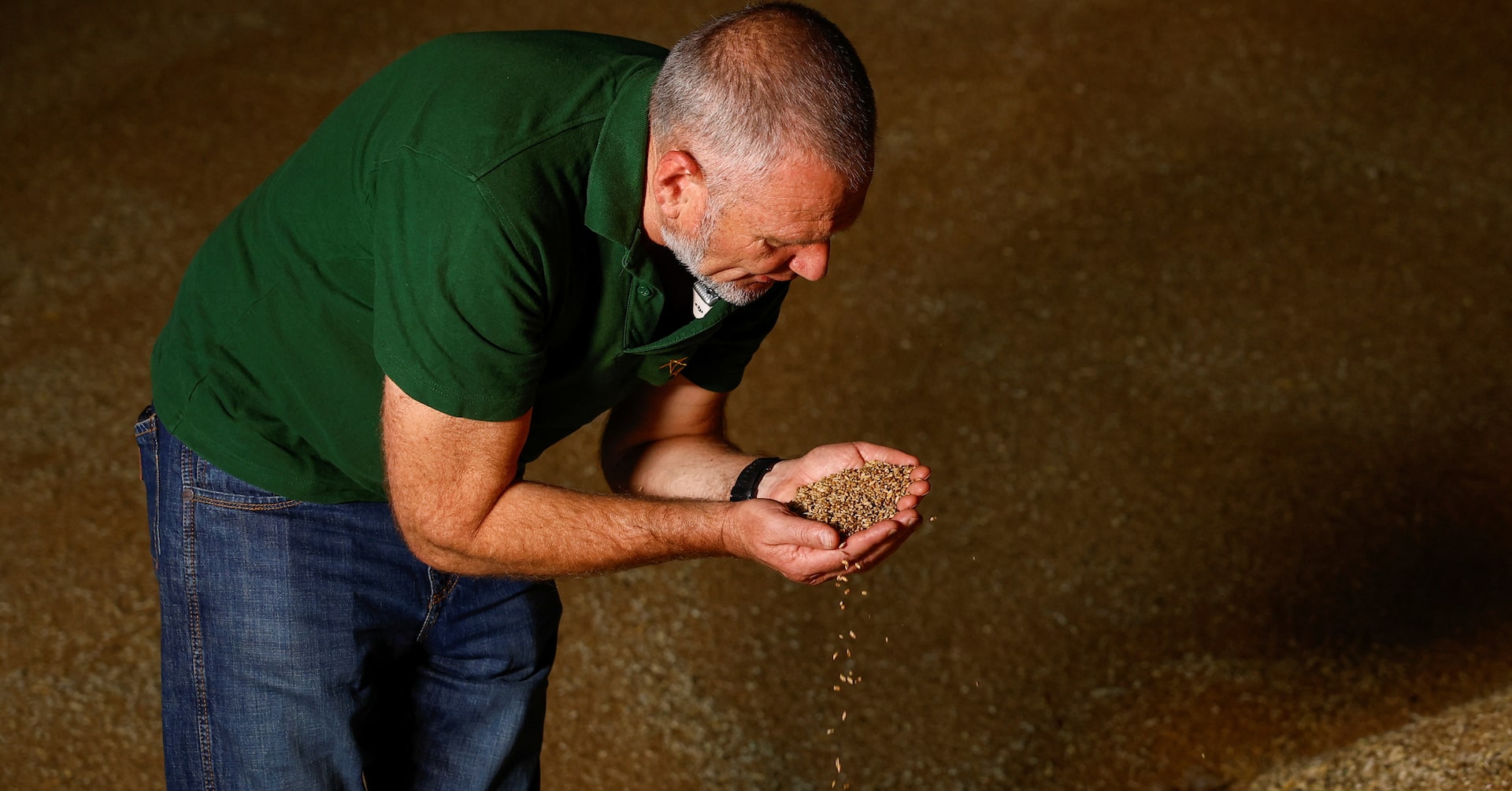
Ukrainian farmer Serhiy Rybalko already lost two-thirds of his land when Russia occupied parts of southern Ukraine in 2022, MarketScreener reported. Now the blockade is hitting what land he has left. Without export income, farmers like him cannot cover the cost of seeds, fuel, and equipment for the next cycle.
The financial pressure is severe. Farmers sell their harvest to generate cash quickly. If grain sits in storage because no ships will come, that cash never arrives. Many farmers are being forced to sell at steep discounts through overland routes to Europe, which cost far more to use, according to Yahoo News.
Global Food Supply Feels the Pressure Too
Ukraine supplies wheat, corn, and sunflower oil to countries across Africa, the Middle East, and Asia. When Ukraine cannot export, global prices rise. Countries that depend on cheap Ukrainian grain to feed their populations are the hardest hit, according to Yahoo News.
The blockade also threatens Ukraine's ability to fund its own war effort. Agricultural exports are a major source of foreign currency for the country. Less export revenue means less money for everything — including defense, according to Yahoo News.
Ukraine Scrambles for Alternative Routes With Limited Success
Ukraine has tried to move grain by road, rail, and river through Europe. But these routes are slow and expensive. Rail networks have different track widths at the Polish border, causing delays. Trucks can only carry a fraction of what a cargo ship holds. None of these alternatives can replace Black Sea shipping at scale, according to Reuters.
Ukraine has also tried to create a temporary sea corridor for grain ships. Some vessels have moved through it. But the route remains dangerous, and many shipping companies refuse to take the risk. Without a safe passage, Ukraine's harvest may keep piling up with nowhere to go.
Sentiment
NeutralPublishers
5
Articles
5
Reach
5