Global Food Safety Reforms
Food safety authorities worldwide expand oversight through new data systems and international cooperation.
Anonymous
Key Points
1
Vietnamese food-safety controls are being applied directly at institutional and commercial kitchens: An Thang Kindergarten serves about 600 children and checks delivered food for quantity, quality, origin, packaging and freshness, while Dinh Huy Duc supplies ingredients to nearly 40 units in Hai Phong and Quang Ninh.
2
The Sabah campaign included a Food Safety Explorace held around Mount Kinabalu as part of the 2026 World Food Safety Day campaign, using an interactive competition to communicate food-safety and public-health messages at high altitude.
3
The United Kingdom’s proposed supermarket model could mean compliant retailers face substantially fewer inspections, while the Food Standards Agency considers overhauling its “Scores on the Doors” hygiene-rating scheme and using company data to assess large stores.
4
The FSA’s revised approach followed a three-month “sprint” and consultation involving more than 1,000 stakeholders; Aldi, Asda, Sainsbury’s, Tesco and Waitrose had already participated in early trials of the data-driven system.
5
The China-Netherlands SPS training program runs from Aug. 30 to Sept. 12 under a bilateral memorandum of understanding, with participants including officials from the Dutch agriculture ministry, the Netherlands Food and Consumer Product Safety Authority and China’s embassy.
Food-safety authorities worldwide are tightening oversight with new technology, data systems and cross-border coordination. The USDA is boosting staffing and technology to strengthen beef processing and recalls, while Vietnam is installing controls at production kitchens and Malaysia launched inspection campaigns at Mount Kinabalu. The UK Food Standards Agency scrapped its one-size-fits-all plan and now targets inspections using company data, and China and the Netherlands began their first joint food-safety training program to support safer agricultural trade.
These moves reflect growing recognition that food safety requires precision, not blanket rules. From institutional kitchens feeding hundreds of children to massive retail chains, regulators are now using real data to find risks faster and prevent outbreaks before they spread.
USDA Invests in Beef Safety and Better Recalls
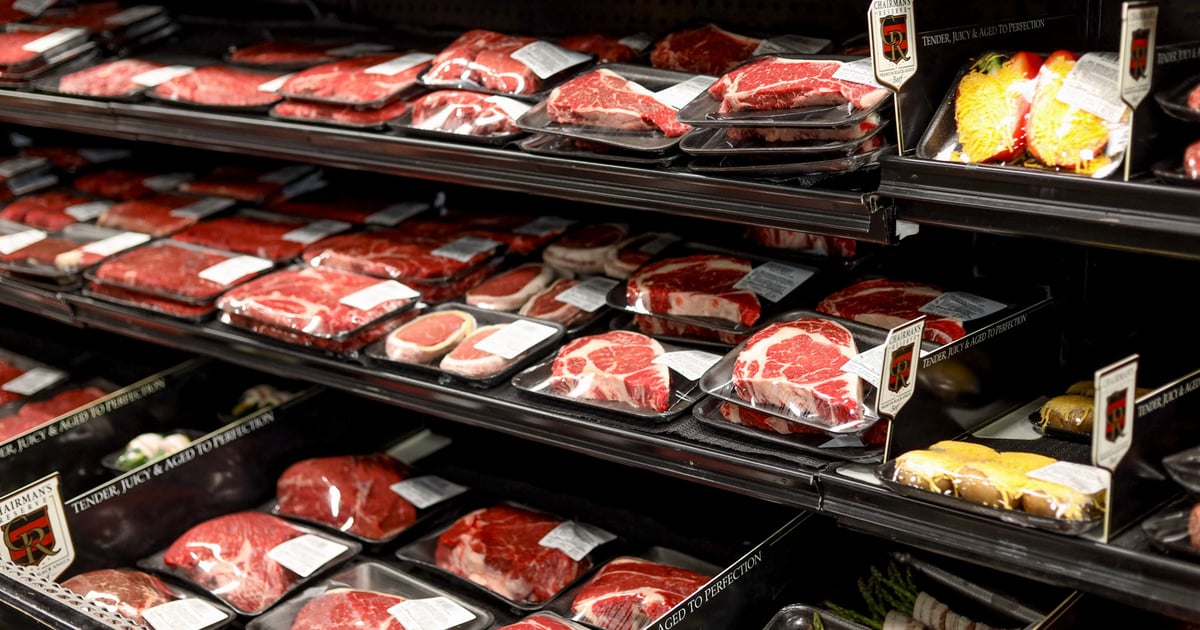
The USDA is hiring more food-safety inspectors and rolling out data-driven systems to catch problems faster. USDA Food Safety and Inspection Service administrator Justin Ransom told the Arkansas Cattlemen's Convention that the agency is modernizing beef-processing oversight and supporting smaller producers with tools to meet stricter standards. The focus is on prevention—spotting contamination at slaughterhouses and farms before meat reaches stores.
Recent recalls and outbreaks—including a cyclospora case linked to lettuce from central Mexico—exposed gaps in response speed. The USDA upgrade aims to cut recall timelines and give regulators better real-time visibility into which farms and processors pose the highest risk.
Vietnam Embeds Safety Checks Inside Kitchens
Vietnam is moving food-safety controls from distant labs into the kitchens where meals are actually prepared. An Thang Kindergarten, which serves about 600 children daily, now inspects every delivery for quantity, quality, origin, packaging and freshness. Dinh Huy Duc, a supplier serving nearly 40 units across Hai Phong and Quang Ninh, must pass these same spot checks before ingredients reach the stove.
The system relies on certified supplier lists and safe agricultural input databases. However, Vietnam's local government restructuring has disrupted maintenance of its food-safety information system, threatening to slow verification work. Officials are working to restore the database to keep tabs on approved producers.
UK Scraps One-Size-Fits-All, Targets Supermarkets First
The Food Standards Agency initially proposed a sweeping overhaul of food hygiene rules across all sectors. After a three-month sprint involving over 1,000 stakeholders, regulators admitted the blanket approach would not work. Instead, they are piloting a data-driven model starting with supermarkets—using company records to predict where problems hide and inspect only high-risk locations.
Major chains—Aldi, Asda, Sainsbury's, Tesco and Waitrose—already trialed the system. Compliant retailers could see inspection frequency drop sharply. The FSA is also studying an overhaul of its "Scores on the Doors" hygiene-rating scheme and testing whether this data-led approach works for restaurants, caterers and smaller food businesses next.
China and Netherlands Launch Joint Food-Trade Training
China and the Netherlands kicked off their first joint sanitary and phytosanitary training program from Aug. 30 to Sept. 12, aiming to align food and agricultural safety standards. Participants include officials from the Dutch agriculture ministry, the Netherlands Food and Consumer Product Safety Authority and China's embassy. The program runs under a bilateral memorandum of understanding focused on safer agricultural trade between the two nations.
This cooperation signals a shift toward regulatory harmony in global food supply chains. When China and the Netherlands align rules, exporters ship safer food and importers receive consistent standards—reducing outbreaks that cross borders.
Sentiment
Mostly NegativeNEGATIVENEUTRALPOSITIVE
Publishers
13
Articles
2
Reach
15
Topics
A
AnonymousAuthor


