Proposition 1 Ballot Dispute
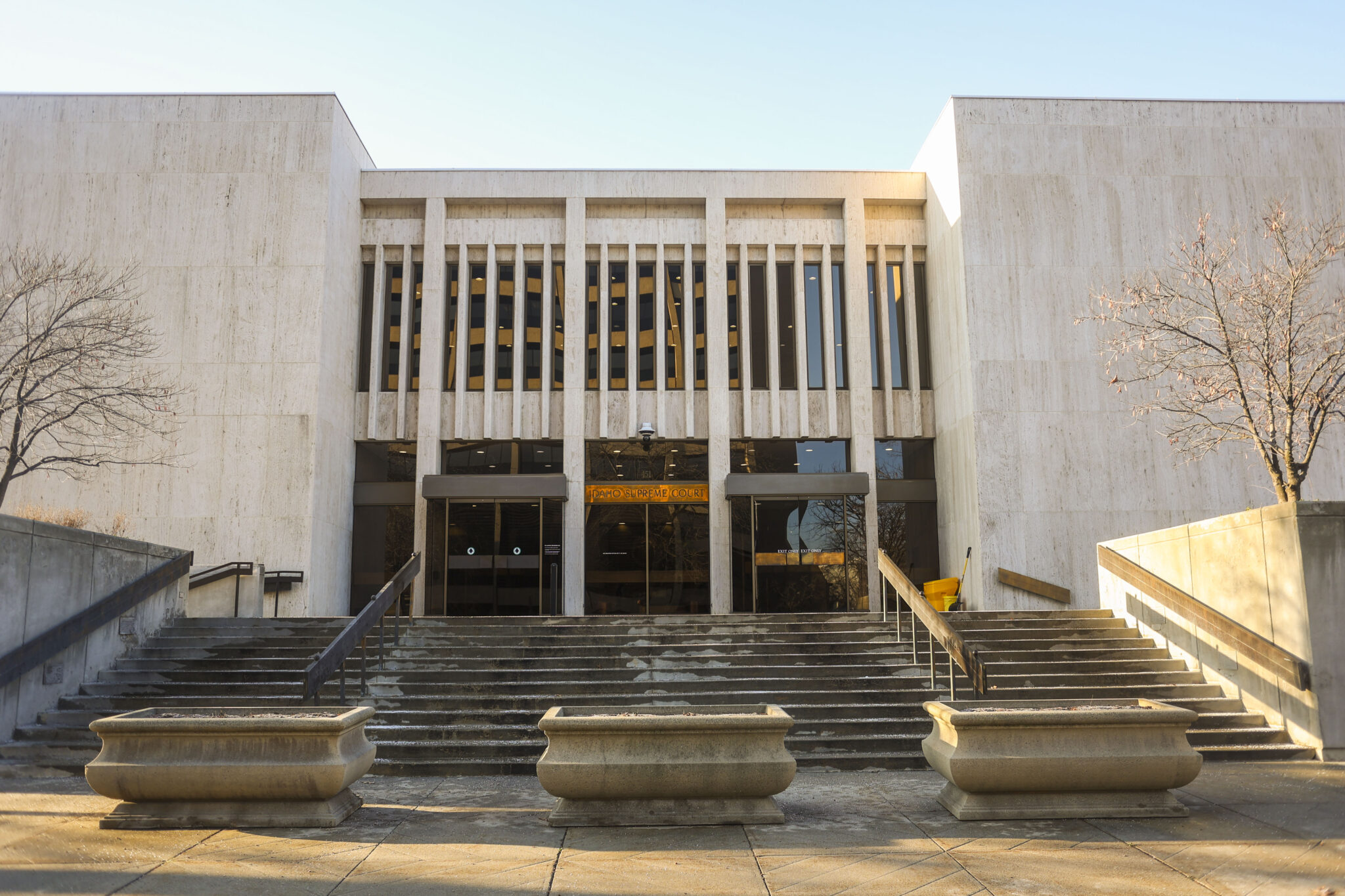
Idaho Supreme Court unanimously blocks deficient ballot language for Proposition 1.
Anonymous
Key Points
1
The court’s opinion, authored by Justice Gregory Moeller, stated that “a statement is not ‘clear’ if it leaves voters uncertain about a principal legal consequence of their choice,” and that ballot language cannot be so concise that it gives voters an inaccurate picture of a vote’s effect.
2
The revised ballot statements were ordered by Sept. 5, 2026, and the existing language was expressly barred from appearing on the general-election ballot.
3
The dispute over the ballot wording followed a lawsuit filed by Idahoans United for Women and Families, which argued that the proposed explanations were “confusing” and “biased”; the organization’s executive director, Melanie Folwell, called the ruling a victory for Idaho voters.
4
The separate federal challenge to Idaho’s abortion ban was brought by Dr. Stacy Seyb, a maternal-fetal-medicine specialist, who said the absence of a health-of-the-pregnant-woman exception has forced some patients to be flown out of state for care.
5
Before the 9th Circuit pause, U.S. District Judge B. Lynn Winmill had barred enforcement of the ban when a physician made a good-faith determination that continuing a pregnancy posed a “non-negligible risk” of serious and lasting harm, including potential self-harm; Attorney General Raúl Labrador sought the stay while arguing the injunction conflicted with the Dobbs decision.
Idaho's Supreme Court unanimously blocked ballot language for Proposition 1, ruling that both the "yes" and "no" explanations were unclear and legally deficient Idaho Capital Sun. The court ordered state officials to redraft the statements by September 5, 2026, ensuring voters receive accurate information about the Reproductive Freedom and Privacy Act before November's election Idaho Statesman.
What Proposition 1 Actually Covers
Proposition 1 would establish broad reproductive-privacy rights far beyond abortion access KREM. The measure would protect access to contraception, fertility treatment, miscarriage management, and childbirth care. It would also permit abortion until fetal viability, or later in medical emergencies, and shield healthcare providers from discipline for offering these services.
The Court Found Both Ballot Statements Misleading
Justice Gregory Moeller wrote that the "yes" language omitted the measure's broader reproductive protections, leaving voters uncertain about its full scope Idaho Statesman. The "no" language was equally flawed. It described Idaho's current abortion law as allowing abortion to protect the mother's life—wording that could mislead voters into thinking the state permits abortion for broader health reasons.
Idaho law actually permits abortion only to prevent the pregnant woman's death, with narrow rape and incest exceptions Union Bulletin. The state does not generally authorize abortion simply because pregnancy creates serious health risks. The court said a ballot statement cannot be so brief that it gives voters an inaccurate picture of what voting yes or no would accomplish.
Who Won This Battle and Why
The lawsuit was filed by Idahoans United for Women and Families, which argued the ballot language was "confusing" and "biased" Idaho Capital Sun. The organization's executive director, Melanie Folwell, called the unanimous ruling a victory for Idaho voters who deserve clear, honest information before casting ballots.
A Separate Federal Court Battle Over Healthcare Exceptions
While the ballot-language fight plays out, federal courts are wrestling with Idaho's existing abortion ban Idaho Statesman. U.S. District Judge B. Lynn Winmill had ordered the state to recognize a health exception—allowing abortion when a physician determines continuing pregnancy poses a "non-negligible risk" of serious and lasting harm, including potential self-harm. Dr. Stacy Seyb, a maternal-fetal-medicine specialist, brought the lawsuit, saying the absence of a health exception forced some of her patients to be flown out of state for care.
Attorney General Raúl Labrador successfully asked the 9th Circuit Court of Appeals to temporarily pause Judge Winmill's order while the appeal proceeds Idaho Capital Sun. Labrador argued the injunction conflicted with the U.S. Supreme Court's 2022 Dobbs decision, which returned abortion regulation to the states. Until the federal courts rule, Idaho's near-total abortion ban remains in effect.
Sentiment
Mostly NegativeNEGATIVENEUTRALPOSITIVE
Publishers
12
Articles
35
Reach
47
A
AnonymousAuthor


