Driving Data Bill Defeated
California bill allowing insurers to track driving habits dies in legislature.
Anonymous
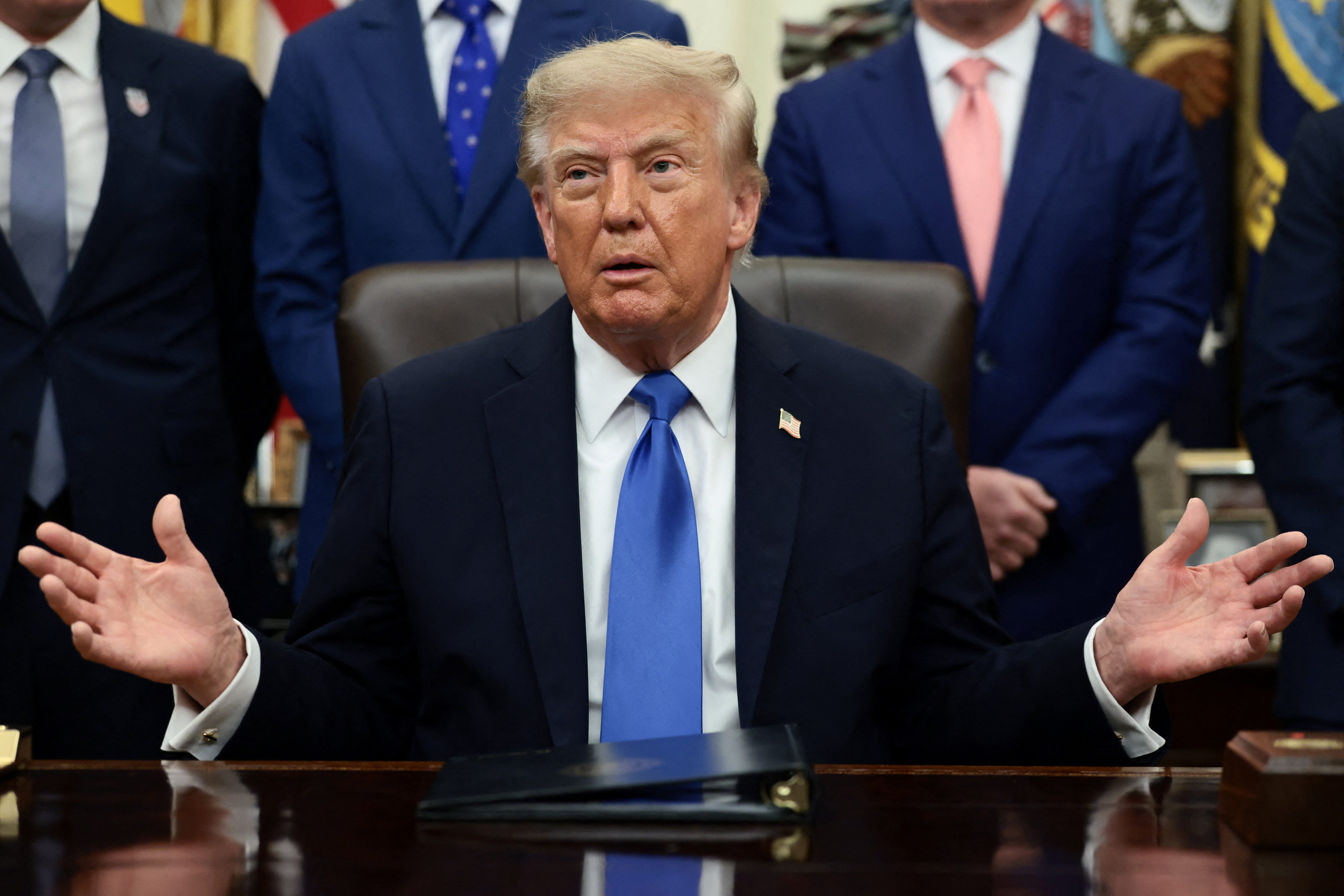
California's Consumer Driving Data Protection Act died in the state legislature after fierce opposition from privacy advocates and state regulators Miami Herald. The bill, proposed by Assemblymember Tina S. McKinnor, would have let insurers use telematics technology to monitor drivers' habits in real time. In exchange, safe drivers could have gotten lower rates. But critics said it violated California's insurance rate rules and risked exposing driver data to third parties.
The California Department of Insurance opposed the bill, warning it would shift regulatory responsibility away from insurers and overburden state regulators The News Tribune. Meanwhile, a Maryland study showed mixed results: of drivers who used telematics insurance in 2023, 31.2% got rate cuts, 23.6% saw increases, and 45.2% saw no change The News Tribune.
How Telematics Insurance Works and Why It Matters
Telematics tracks real-world driving through smartphone apps or car devices. It records speed, braking, acceleration, and time of day Sun Herald. Insurers argue this rewards careful drivers with lower premiums. But privacy groups fear the data could leak or get sold to third parties without consent Sun Herald.
Prop 103 Concerns Block the Path Forward
California's Proposition 103 strictly limits how insurers can set rates. It says rates must be based on driving safety, not personal habits or other factors Ledger-Enquirer. Critics argued McKinnor's bill bypassed this rule by letting insurers lower rates based on tracked behavior. This would give some drivers advantages others couldn't access Ledger-Enquirer.
State Insurance Regulator Warns of Compliance Burden
The California Department of Insurance said the bill created too much red tape Bellingham Herald. It would shift oversight duties from insurers—who currently must comply with rate rules—to third-party telematics vendors instead Bellingham Herald. Regulators feared they wouldn't have enough resources to monitor all these companies and their data practices Bellingham Herald.
Mixed Results From Maryland Hint at Telematics Risk
Maryland's insurance regulator studied telematics outcomes in 2023 Macon.com. Nearly one-third of drivers got cheaper rates, but 23.6% ended up paying more Macon.com. Nearly half saw no change at all Macon.com. These results suggest telematics doesn't always help the drivers it claims to help, raising questions about fairness and whether data tracking is worth the risk.
Sentiment
NeutralNEGATIVENEUTRALPOSITIVE
Publishers
15
Articles
15
Reach
15
A
AnonymousAuthor


