New California Tire Rules
California regulators approve the nation's first replacement-tire efficiency standards starting in 2029.
Anonymous
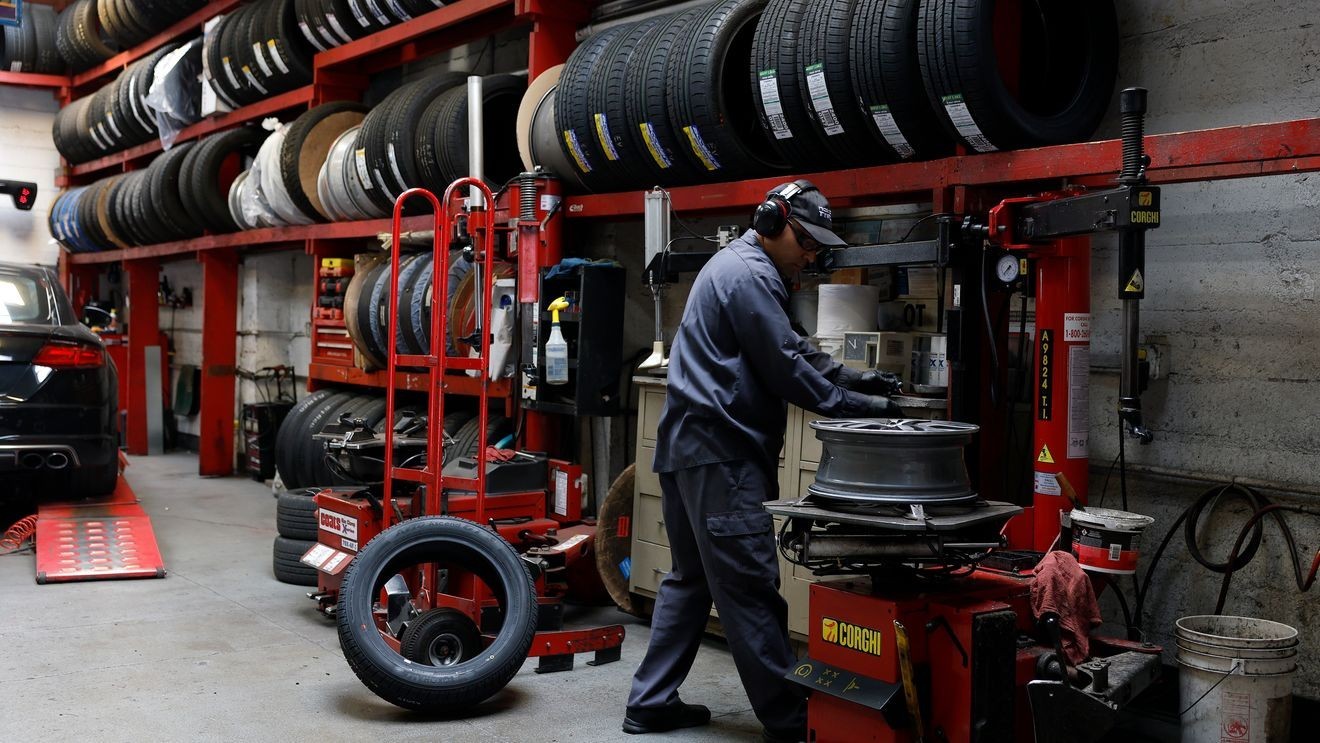
California regulators have approved the nation's first replacement-tire efficiency standards, starting in 2029 with full rollout by 2033. WLOS reports the new rules promise fuel savings and cleaner air, though industry officials warn they could raise tire costs and limit consumer choice.
The California Energy Commission estimates drivers will save nearly $1 billion per year in gasoline and electricity costs. The standards would also cut carbon dioxide emissions by 2 million metric tons annually — equal to removing about 400,000 gas-powered cars from the roads.
What These Tire Rules Actually Do
Tire efficiency standards measure how much energy a tire wastes as it rolls. Better tires use less fuel to travel the same distance. News4SanAntonio explains that California's rules set minimum performance targets. Manufacturers must meet these targets starting in 2029, with stricter requirements by 2033.
The rules apply to replacement tires — what drivers buy to replace worn tires. Original equipment tires on new cars already face federal efficiency standards. These new California standards fill that gap for the replacement tire market.
Who Supports and Who Opposes the Rules
The Consumer Federation of America backed the standards, saying they help consumers save money on fuel over time. WUTV29 notes that environmental groups also support the rules as a way to cut vehicle emissions without forcing people to buy new cars.
The U.S. Tire Manufacturers Association expressed reservations, arguing the rules could raise tire prices and reduce choice. KomoNews reports that free-market advocates worry about regulatory overreach and whether consumers will actually benefit if new tires cost significantly more.
A Two-Phase Rollout Over Four Years
The implementation happens in two stages. Fox17 explains that the first phase begins in 2029, giving manufacturers time to redesign tires and adjust production. By 2033, all replacement tires sold in California must meet the full standard.
This phased approach balances speed and feasibility. Tire makers get four years to develop new formulations. Consumers benefit gradually from improved fuel efficiency without facing sudden price spikes or empty shelves.
Why California's Rules Matter Nationwide
California often sets environmental standards that other states follow. ABCNews4 notes that these tire rules could become a template for federal standards. Because California is a massive market, tire makers will likely comply, which could influence pricing across the country.
The $1 billion annual savings projection assumes widespread adoption. If the rules work as planned, they show how small product changes can deliver big environmental gains without forcing consumers to change behavior fundamentally.
Sentiment
NeutralNEGATIVENEUTRALPOSITIVE
Publishers
18
Articles
17
Reach
18
A
AnonymousAuthor


