Patriot Shortage
Ukraine's Air Defenses Fail To Intercept Russian Ballistic Missiles Amid Critical Patriot Shortage
Anonymous
Key Points
1
In Kyiv's overnight attack, 11 people were killed and 46 injured, with strikes reported across 34 locations in the capital and debris found at 16 sites.
2
Ukraine's air defenses shot down 31 Kh-101 cruise missiles and six Kalibr cruise missiles, intercepted hundreds of drones, but 23 ballistic missiles were launched and largely not intercepted due to a shortage of Patriot interceptor missiles.
3
Officials warn of a significant global shortage of interceptor missiles (PAC-2 and PAC-3), meaning Ukraine needs a steady supply of missiles to counter ballistic threats.
4
Russia appears to be exploiting the interceptor-missile shortage by increasing its reliance on ballistic missiles and adjusting its strike patterns accordingly.
5
Western officials and Kyiv diplomats are preparing for NATO discussions in Ankara on strengthening Ukraine's air defense, with Zelensky urging strong decisions from allies.
Russia launched a massive overnight strike on July 6, and Ukraine failed to shoot down a single ballistic missile, Militarnyi reported. The Ukrainian Air Force said 29 ballistic missiles flew through unimpeded — a stark sign that Kyiv's interceptor stockpiles are running dangerously low.
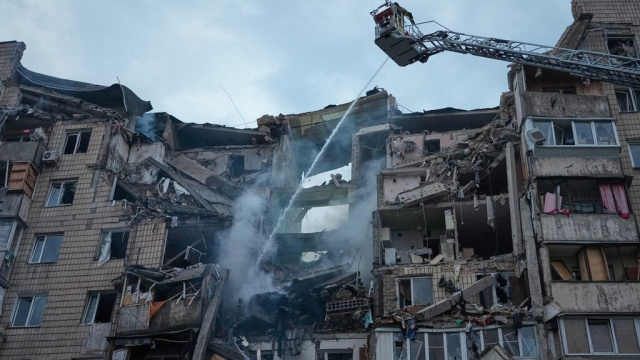
The attack killed 11 people and injured 46 others, with strikes hitting 34 locations in Kyiv and debris found at 16 sites, according to United24 Media. Ukrainian air defenses did manage to shoot down 31 Kh-101 cruise missiles and six Kalibr cruise missiles, along with hundreds of drones — but ballistic missiles flew through entirely unchallenged.
Patriot Interceptor Shortage Left Skies Open
Ukraine's Air Force spokesperson Yurii Ihnat said the reason was simple: not enough Patriot interceptor missiles. Militarnyi reported that Russia launched 419 total projectiles in the attack. Ukraine's Patriot systems can shoot down ballistic missiles, but only if they have the missiles to fire.
There are two key interceptor types — PAC-2 and PAC-3. Both are in short global supply, Novinite reported. Ukraine needs a steady flow of these missiles to counter ballistic threats, and right now that flow has slowed to a trickle. Without them, even working Patriot launchers sit idle.
Russia Shifts Strategy to Exploit the Gap
Russia appears to have noticed the shortage and is adjusting. Novinite reported that Russian forces are increasingly relying on ballistic missiles rather than cruise missiles or drones. Ballistic missiles are faster and harder to intercept even under normal conditions — and now Ukraine has almost no ability to stop them at all.
Crypto Briefing noted this marks a significant shift in Russia's strike patterns. By probing and then exploiting the interceptor shortage, Russia can hit Ukrainian cities and infrastructure with growing confidence. The July 6 attack showed how effective that strategy has become.
Zelensky Presses NATO Allies at Ankara Summit
President Volodymyr Zelensky is pushing Western allies hard for more Patriot systems and interceptor missiles. United24 Media reported that Zelensky urged allies to approve new deliveries at the upcoming NATO summit in Ankara. He called for "strong decisions" from partners before the gap grows even wider.
Ukrainian and Western officials are expected to make air defense a central topic at the Ankara talks, according to Yahoo News. Kyiv has also signaled it will respond to continued strikes by hitting targets inside Russia. The diplomatic pressure is rising fast, but so is the threat on the ground.
Civilian Toll Mounts as Defense Gaps Persist
The human cost of the July 6 attack was severe. Eleven people died and 46 were wounded, United24 Media reported. Strikes hit 34 locations across Kyiv, and debris from missiles and drones was recovered at 16 separate sites. The scale shows how broadly Russia targeted the capital in a single night.
Ukrainian officials warn the danger will only grow if interceptor supplies are not restocked. Yahoo News quoted the Air Force saying the country simply "could not" shoot down ballistic missiles without the missiles to do it. Until allies step up deliveries, Russia holds a growing advantage in the skies over Ukraine.
Sentiment
Mostly NegativeNEGATIVENEUTRALPOSITIVE
Publishers
10
Articles
5
Reach
15
A
AnonymousAuthor


