Rising Risks for Migrants
SOS Mediterranee Reports Escalating Threats Against Rescue Ships and Migrants in Mediterranean
Key Points
SOS Méditerranée notes seven incidents in June and October last year where Libyan-linked vessels approached rescue ships at high speed or pursued them for hours, indicating a broader timing than the originally reported June–July window.
Reports additionally flag 11 bodies spotted in the sea off Libya's coast, underscoring increasing mortality and peril around rescue operations.
Greece rescues 545 migrants off Gavdos, illustrating continued crossings related to the Libyan route and the broader humanitarian strain on southern European islands.
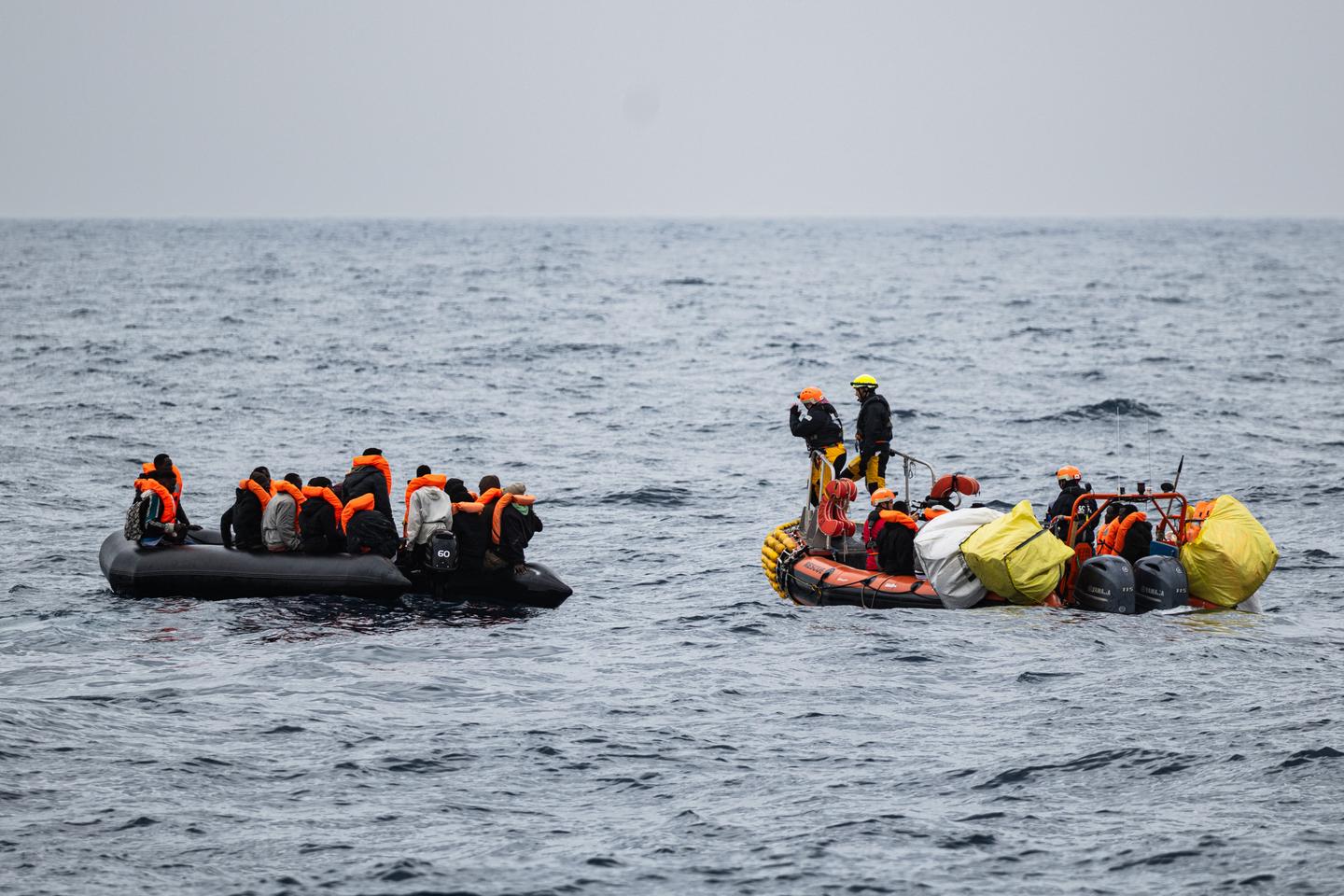
SOS Méditerranée, a major rescue organization operating in the Mediterranean, is raising alarms about escalating violence against migrants and rescue ships off Libya's coast. Le Monde reports the group has documented at least seven high-speed pursuits by Libyan-linked vessels in June and October, with some chases extending into international waters. The aid group warns that European cooperation with Libyan actors on migration control is fueling these dangerous confrontations, putting hundreds of lives at risk each month.
Deaths in the central Mediterranean are surging despite fewer crossing attempts. Voice of Emirates notes that unidentified speedboats tied to Libyan armed groups are conducting violent interceptions with increasingly dangerous tactics. The situation echoes a 2023 attack when the Libyan coast guard fired over 100 rounds at the rescue ship Ocean Viking, endangering 87 migrants and the crew. Humanitarian organizations are now demanding independent investigations and accountability from European governments.
Seven Dangerous Pursuits in Recent Months
SOS Méditerranée documented seven incidents where Libyan-linked boats approached rescue vessels at high speed or followed them for hours. BSS News reports these encounters happened in June and October, showing a pattern of harassment. Some chases pushed well beyond Libyan territorial waters into international zones, creating dangerous situations for rescuers trying to help migrants. The incidents suggest coordinated pressure from multiple armed groups operating off Libya's coast.
Beyond pursuits, the group reports at least 11 bodies spotted in the sea off Libya's coast, underscoring the human toll of these escalating confrontations. Yahoo Canada highlights that these incidents represent a dramatic shift in how migrants and rescue operations are being treated. The speed and aggression of these approaches leave rescue crews with little time to react or protect vulnerable people aboard their vessels.
Rising Death Toll Despite Fewer Crossings
Mortality rates in the central Mediterranean are climbing sharply. The UN's International Organization for Migration reported 821 deaths or missing persons in just the first four months of the year. That represents a 111% jump from the same period in 2025, meaning deaths are doubling even as fewer people attempt the journey. AOL UK notes this inverse trend suggests that those still crossing face far more perilous conditions and less rescue support.
The dangerous environment is pushing migrants to use more treacherous routes and smaller, less seaworthy boats. Rescue operations have become riskier, with vessels facing harassment from both Libyan coast guard units and armed group speedboats. This creates a deadly bottleneck where vulnerable people have fewer safe options for escaping Libya.
Last Year's Ocean Viking Attack Still Unpunished
In 2023, Libyan coast guard personnel fired over 100 rounds at the rescue ship Ocean Viking while it carried 87 migrants seeking safety. Le Monde reported that the attack endangered both the crew and the people they were trying to help. Despite the severity of the incident, no one has been held accountable in the two years since the shooting. Voice of Emirates notes that legal actions were filed in Italy, France, and Germany, but none resulted in consequences for those responsible.
The lack of accountability has likely emboldened other armed groups to conduct similar attacks. Humanitarian groups argue that European governments must push for independent investigations and real consequences. Without accountability, the violence will likely continue as long as rescue ships operate in the region.
Greece Continues Rescuing Hundreds Amid Regional Strain
Even as conditions worsen off Libya, rescue operations continue elsewhere in the Mediterranean. Greece recently rescued 545 migrants off the island of Gavdos, showing that migration pressure remains intense across multiple routes. Yahoo Canada notes these rescue numbers illustrate the ongoing humanitarian burden on southern European nations. The Gavdos rescue highlights how the central Mediterranean crisis remains part of a broader migration challenge affecting multiple countries and rescue organizations simultaneously.
Sentiment
Mostly NegativePublishers
10
Articles
28
Reach
38


