UAE Alert, AP Scrutiny
UAE warns of missile and drone attacks amid Qatar explosions, drawing AP reporting scrutiny.
Anonymous
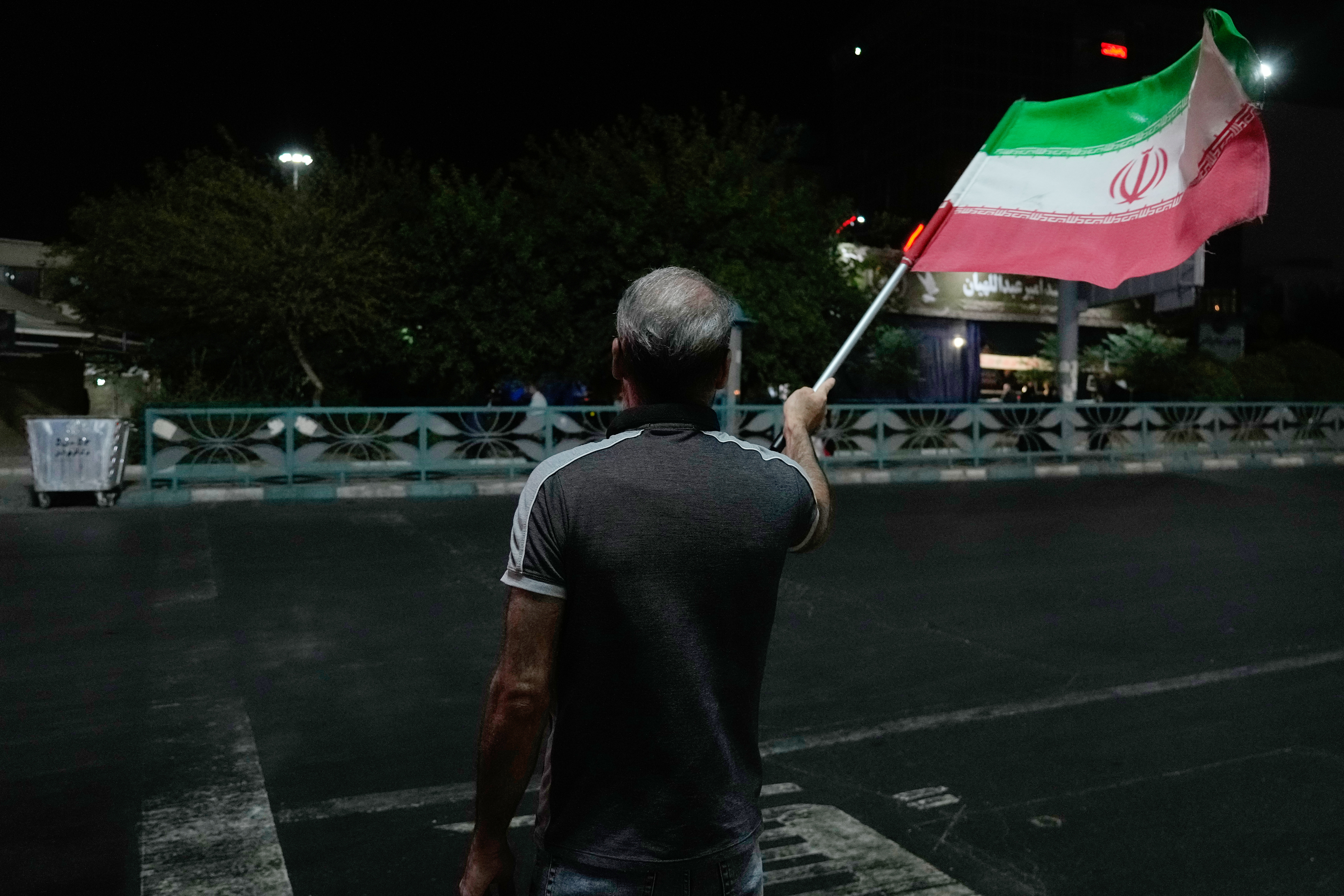
The United Arab Emirates issued an emergency public warning of an incoming missile and drone attack early Sunday, July 12, 2026, as heavy explosions rocked neighboring Qatar. AP News reported that it was not immediately clear where the attacks were targeting, but air raid sirens also sounded in Bahrain, home to the U.S. Navy's 5th Fleet. The strikes are Iran's latest retaliation in a widening Gulf war.
The attacks come just hours after U.S. Central Command launched its third round of airstrikes in one week against Iranian radar sites and missile launchers. Iran's Islamic Revolutionary Guard Corps had earlier declared the Strait of Hormuz closed "until further notice" after firing on a Cyprus-flagged container ship, the M/V GFS Galaxy, forcing its crew to abandon the vessel. One crew member remains missing.
Iran Fires Back After U.S. Strikes Hit Radar Sites
The escalation began Saturday evening when the IRGC fired on the M/V GFS Galaxy, a 304-meter container ship in the Strait of Hormuz. The vessel caught fire and suffered major engine damage. Winnipeg Free Press reported that the crew was rescued by lifeboats nine nautical miles east of Oman. After the attack, Iran declared the strait — a chokepoint for roughly 20% of the world's oil and gas supply — officially closed.
At 7:15 p.m. Eastern Time Saturday, U.S. Central Command struck Iranian radar sites and missile launchers in response. Defense Secretary Pete Hegseth posted on X: "Iran made a poor choice. Now they pay." Iran then launched retaliatory strikes on Bahrain, Qatar, and the UAE in the early morning hours of Sunday, July 12. Multiple explosions were heard in Doha, Qatar's capital, followed by air defense sirens.
UAE and Qatar Civilian Areas Under Direct Threat
The UAE government issued an emergency alert telling the public to shelter in place as missiles and drones approached. Herald Bulletin reported it was not immediately clear which specific targets were being struck. The UAE is a major global travel and trade hub. Disruption there would ripple across international flight routes and commerce.
Prior Iranian strikes on Bahrain had already damaged desalination plants, hotels, and airport terminals. Since the conflict began in late February 2026, Bahrain has been hit by at least 186 missiles and 419 drones. Iran's MP Esmail Kousari had warned earlier in the week that the UAE would "pay the price" for its perceived cooperation with the United States behind the scenes.
A War That Collapsed a Ceasefire and Shut Down Shipping
The current crisis traces back to February 28, 2026, when U.S. and Israeli strikes killed Iran's Supreme Leader Ali Khamenei. His son Mojtaba Khamenei took power and issued a vow on state television: "Vengeance is the will of our nation and must inevitably be carried out." A fragile 60-day ceasefire agreed in June collapsed in early July when Iran began targeting oil tankers again in the Strait of Hormuz.
Maritime traffic through the strait has dropped by 90% since the war began. The war has killed 13 U.S. service members and over 3,375 Iranians, including 170 civilians killed in a single Tomahawk strike on a school, according to Council on Foreign Relations data. Global energy prices have surged as a result of the shipping collapse, creating a key political problem for President Trump ahead of November congressional elections.
Gulf States Hedge as U.S. and Iran Trade Strikes
Saudi Arabia has refused to let the U.S. use its airbases for strikes against Iran. Analysts say Gulf states are hedging their security bets, shifting toward ties with China and trading oil in yuan rather than dollars. Enid News and other outlets noted that the exact scope of Sunday's attacks remained unclear as the situation developed rapidly.
President Trump posted on Truth Social that "1,000 Missiles are Locked and Loaded" aimed at Iran. The proposed June ceasefire deal had offered Iran $24 billion in unfrozen assets and up to $300 billion in reconstruction funds. Those talks are now fully collapsed. U.S. Central Command said it will keep "imposing a heavy cost" to degrade Iran's ability to attack civilian shipping.
Sentiment
NeutralNEGATIVENEUTRALPOSITIVE
Publishers
28
Articles
28
Reach
28
A
AnonymousAuthor


