UAE Warning Allegations
Report Alleges UAE Warned Netanyahu of October 7 Attack Before It Occurred
Anonymous
Key Points
1
The reported warning allegedly included concern that a Hamas operation could destabilize the region and threaten the Abraham Accords, the agreements under which Israel established diplomatic relations with several Arab and Muslim-majority countries.
2
According to Haaretz’s account, Yahya Sinwar had previously described the planned assault to a former Palestinian official as “a terrifying operation” and an “earthquake.”
3
The book’s authors say their account is based on dozens of sources in Israel and abroad, including very senior officials, adding to the reporting’s evidentiary claims beyond the alleged call itself.
4
Netanyahu has rejected calls for a formal government inquiry into the circumstances surrounding the October 7 attack; Israeli figures cited by the reports say Hamas militants killed around 1,200 people and abducted 251 others.
5
Haaretz reportedly said Sheikh Mohamed bin Zayed communicated frequently with senior Israeli leaders, including Netanyahu and President Isaac Herzog, and that a UAE diplomat provided Netanyahu with a secure phone for such communication.
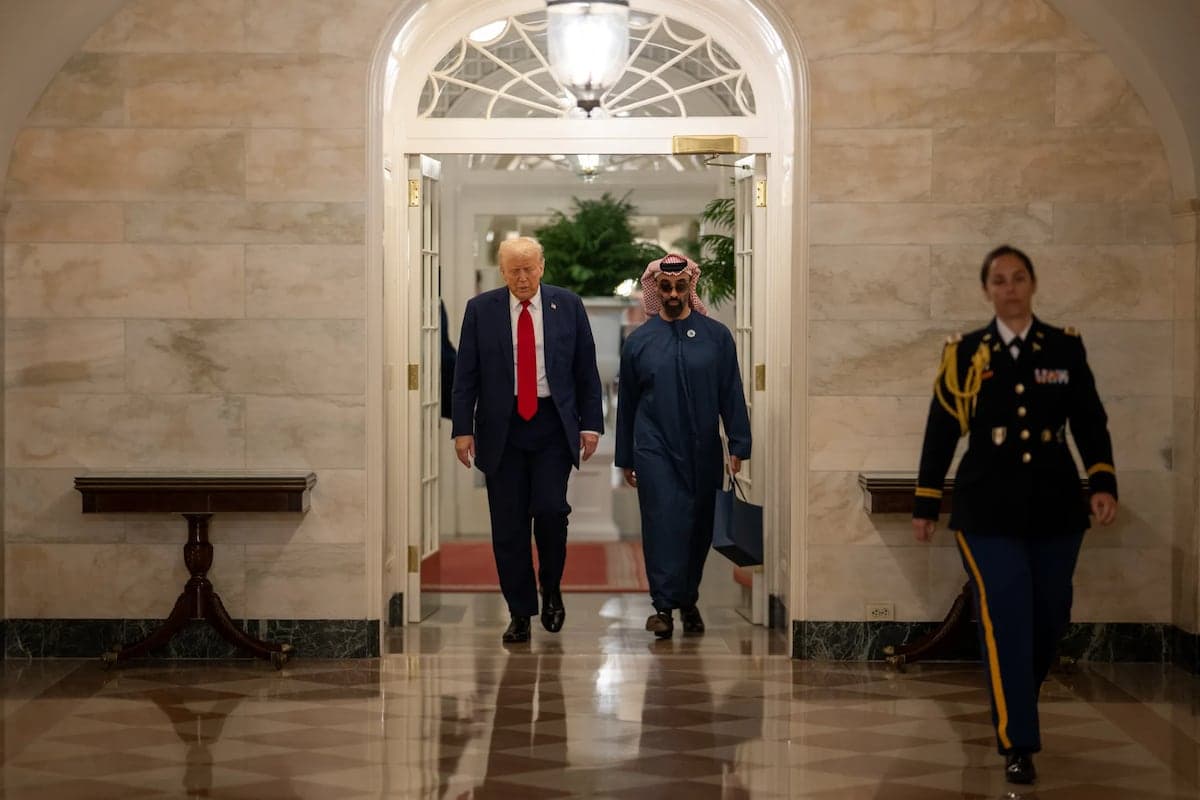
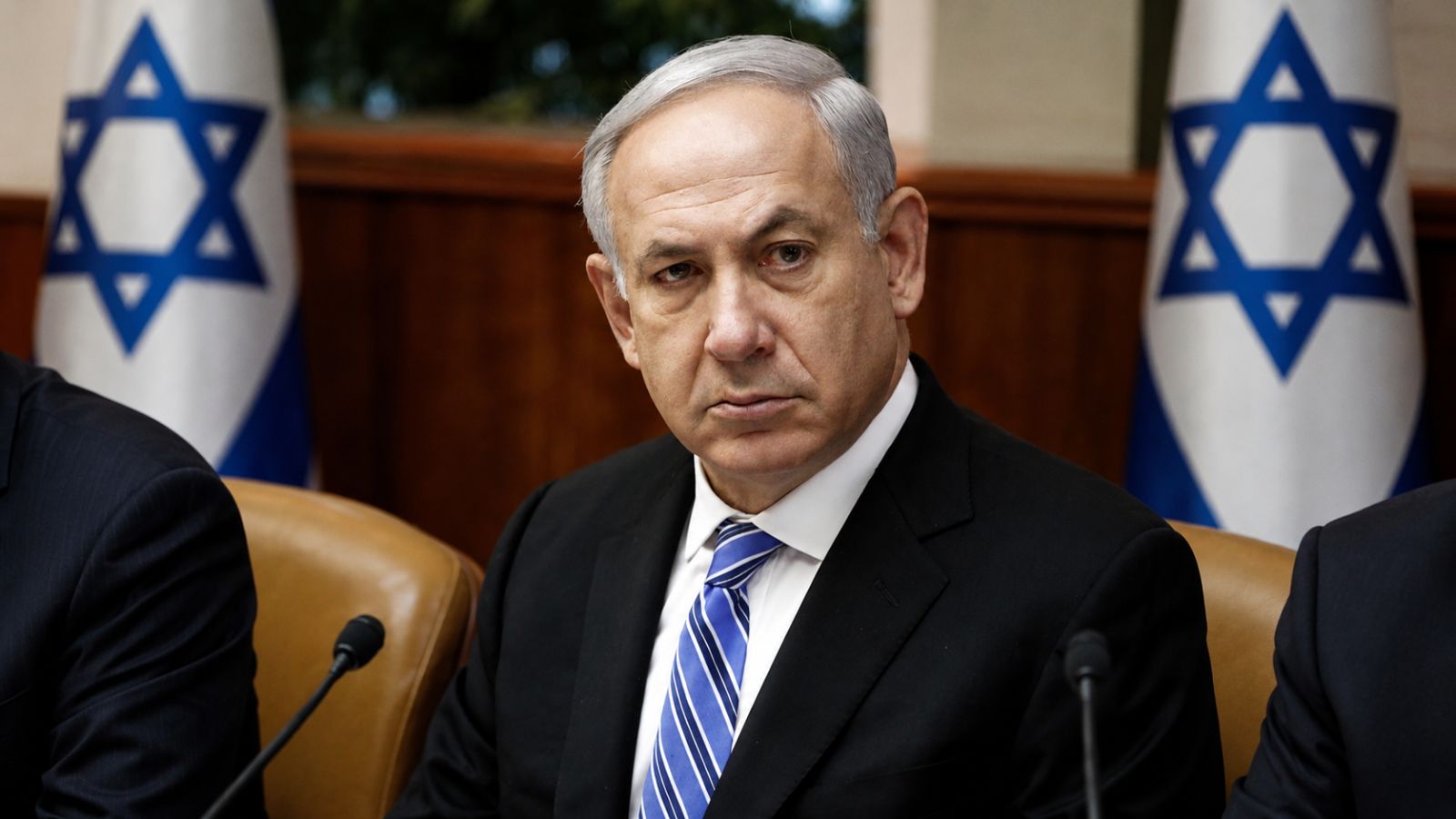
A new report claims UAE President Sheikh Mohamed bin Zayed warned Israeli Prime Minister Benjamin Netanyahu roughly 10 days before the October 7, 2023, Hamas attack that a major operation was being planned. Haaretz, citing a forthcoming book by its journalists, says the warning included concerns that the assault could destabilize the region and threaten Israel's Abraham Accords agreements with Arab states. Netanyahu's office flatly denied the claim, calling it an "absolute lie" and saying no such call occurred.
The allegation has reignited questions about intelligence failures before October 7, when Hamas militants killed around 1,200 people and abducted 251 others. Haaretz says its account draws from dozens of sources including very senior Israeli and international officials, adding weight to the reporting despite Netanyahu's denial. The controversy is fueling calls for an independent government inquiry into what the prime minister knew and when he knew it.
The Alleged Warning and Netanyahu's Response
Haaretz reports that bin Zayed reached out to Netanyahu with specific intelligence about Hamas leader Yahya Sinwar preparing what he called "a terrifying operation" and an "earthquake." According to the book's account, the UAE president described the planned assault as a threat to regional stability and to the Abraham Accords. Haaretz says Netanyahu responded calmly, indicating Israel was prepared for an attack, but believed any major threat would come from the West Bank rather than Gaza.
The two leaders allegedly communicated through a secure phone provided by a UAE diplomat, a channel Haaretz says was used frequently for discussions between bin Zayed and senior Israeli officials including President Isaac Herzog. Netanyahu's office rejected the entire account, calling the allegation an "absolute lie" and stating that no such warning was ever delivered. The denial blocks any immediate verification without access to call records or testimony from participants.
Questions About Intelligence Distribution and Preparedness
Even if a warning existed, critics say its value depends on whether it reached Israel's Defense Ministry, military leadership, Shin Bet, and Mossad in time for action. Haaretz and other reports note that senior security officials claimed they were never informed of any such alert from the UAE. This points to a deeper failure: intelligence is useless if leaders do not share it with decision-makers and operators on the ground.
Israeli security officials reportedly assessed that threats would come primarily from the West Bank, not Gaza, according to reporting by Haaretz and local outlets. This narrow focus may have left Israel's southern border under-defended when Hamas launched its assault on October 7. The gap between warning receipt, institutional awareness, and operational readiness remains a central issue in the unfolding accountability debate.
Political Fallout and Calls for Investigation
Opposition figures in Israel are using the allegation to demand an independent inquiry into Netanyahu's handling of pre-attack intelligence. The prime minister has resisted calls for a formal government investigation, citing ongoing military operations. Haaretz reports that critics view this refusal as an attempt to avoid accountability during an election cycle that could determine his political future.
The controversy also threatens Israel's relationship with the UAE and other Abraham Accords signatories. If the warning story is true, it suggests bin Zayed attempted to help Israel prevent a regional conflict—and that Netanyahu dismissed it. If false, the allegation damages trust between partners. Either way, the dispute underscores how October 7 continues to reshape Israeli politics and regional diplomacy more than a year later.
Sentiment
Mostly NegativeNEGATIVENEUTRALPOSITIVE
Publishers
18
Articles
144
Reach
162
A
AnonymousAuthor