Israel's Iron Dome: UAE Defended
Israel Deploys Iron Dome System to UAE Amid Iran War, Deepening Gulf Cooperation
Anonymous
Key Points
1
The deployment of the Iron Dome to the UAE included on-ground personnel to operate the battery, a detail confirmed by US Ambassador to Israel Mike Huckabee on May 12, 2026.
2
Israel's Transportation Minister Miri Regev publicly confirmed the transfer of Iron Dome batteries to the UAE during the war, providing the first official Israeli ministerial acknowledgment.
3
Emirati authorities said Iran launched around 550 ballistic and cruise missiles and more than 2,200 drones at the UAE during the conflict, highlighting the scale of the threat faced.
4
Even with broad interception success, some missiles and drones penetrated UAE defenses and struck a mix of military and civilian targets, underscoring ongoing vulnerability despite shielded defense.
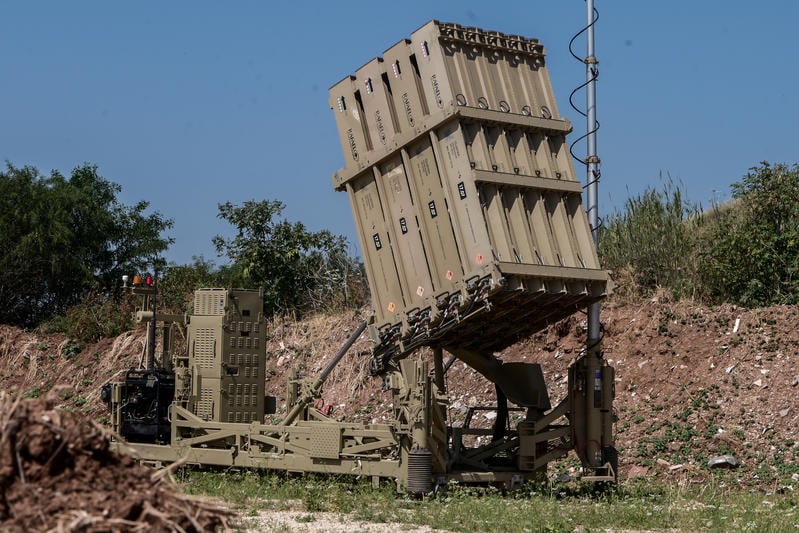
Israel deployed an Iron Dome air-defense battery and dozens of IDF soldiers to the United Arab Emirates during the recent war with Iran, marking the first time the system has ever been used operationally outside Israel or the United States, according to The Jerusalem Post and World Israel News. The decision came after UAE President Mohammed bin Zayed called Prime Minister Benjamin Netanyahu directly and asked for help.
Transportation Minister Miri Regev gave the first official Israeli ministerial confirmation of the deployment. Middle East Eye reported that Israeli operators actively ran the battery on Emirati soil, intercepting dozens of Iranian missiles and drones during the conflict.
Iran Fires Hundreds of Missiles at UAE Targets
The scale of Iran's assault on the UAE was staggering. Emirati authorities said Iran launched around 550 ballistic and cruise missiles and more than 2,200 drones at the country during the conflict, according to Yahoo News. The Iron Dome intercepted dozens of those projectiles. But some still got through, striking both military and civilian targets.
The breaches showed that even a successful air-defense system has limits. No shield is perfect when the attacker fires thousands of projectiles. The hits underscored how serious the threat was — and why the UAE needed help fast.
A Phone Call Between Leaders Triggered the Deployment
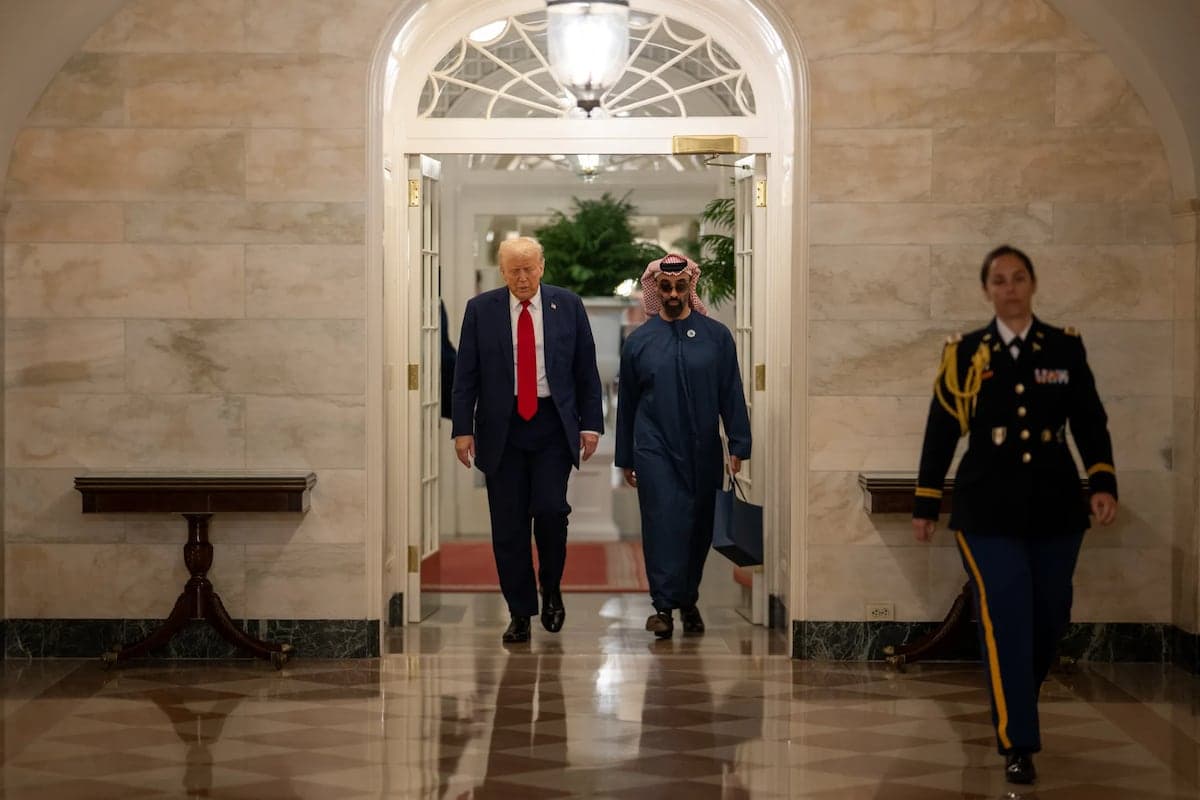
The chain of events started at the leadership level. Netanyahu and UAE President MBZ spoke by phone, and MBZ made a direct request for Israeli air-defense support, according to Yahoo News. Israel said yes. Within a short time, the battery and its crew were on the ground in the UAE.
US Ambassador to Israel Mike Huckabee confirmed the presence of Israeli personnel on May 12, 2026. His statement added American weight to what Regev had already said publicly. The rapid response showed how far Gulf-Israeli ties have come since the Abraham Accords were signed in 2020.
Abraham Accords Move From Diplomacy to Live Defense
The deployment is the clearest sign yet that the Abraham Accords have grown into something more than handshakes and trade deals. Crypto Briefing described the move as reshaping Middle East defense alliances. Israel and the UAE are now operationally linked — Israeli soldiers defending Arab soil in real time.
That integration complicates Iran's strategy. Tehran now has to factor in Israeli air-defense capabilities when it targets Gulf states. The arrangement also signals to other Gulf nations that security cooperation with Israel is not just possible — it is already happening.
First Overseas Use Puts Iron Dome in a New Role
Until this deployment, the Iron Dome had only been used operationally in Israel and, in a limited capacity, the United States. Sending it to the UAE crossed a line that had never been crossed before. World Israel News confirmed that Israel deployed both the battery and the troops needed to run it.
Defense analysts noted the move could boost interest in Iron Dome exports among Gulf states. It also raises questions about how widely Israel might share the system going forward. For now, the UAE deployment stands as a landmark moment in Middle East security history.
Sentiment
Mostly NegativeNEGATIVENEUTRALPOSITIVE
Publishers
13
Articles
7
Reach
20
Topics
A
AnonymousAuthor