Qatar Defends Airspace
Qatar Successfully Intercepts Missile Attacks Amid Rising Iran-Gulf Tensions, Reports No Damage
Anonymous
Key Points
1
Qatar has described the recent interceptions as part of a sequence, marking at least the third such interception in weeks (with previous incidents on March 18 and April 5, 2026) and noting no damage or casualties from the threats.
2
Qatar’s air-defense architecture is active in these events, including Patriot missiles and F-15QA fighter jets that have been deployed to down incoming threats.
3
Iran appears to be targeting Al Udeid Air Base specifically to apply pressure on U.S. military capabilities in the region, highlighting the base’s role as a central strategic asset for U.S. forces.
4
Qatar notes that its relationship with Iran includes shared interests around the North Field gas reservoir, contributing to historically open channels despite heightened tensions.
5
A Cyprus-flagged container ship was set ablaze after attacks near the Strait of Hormuz, with its crew abandoning ship and one civilian crew member reported missing.
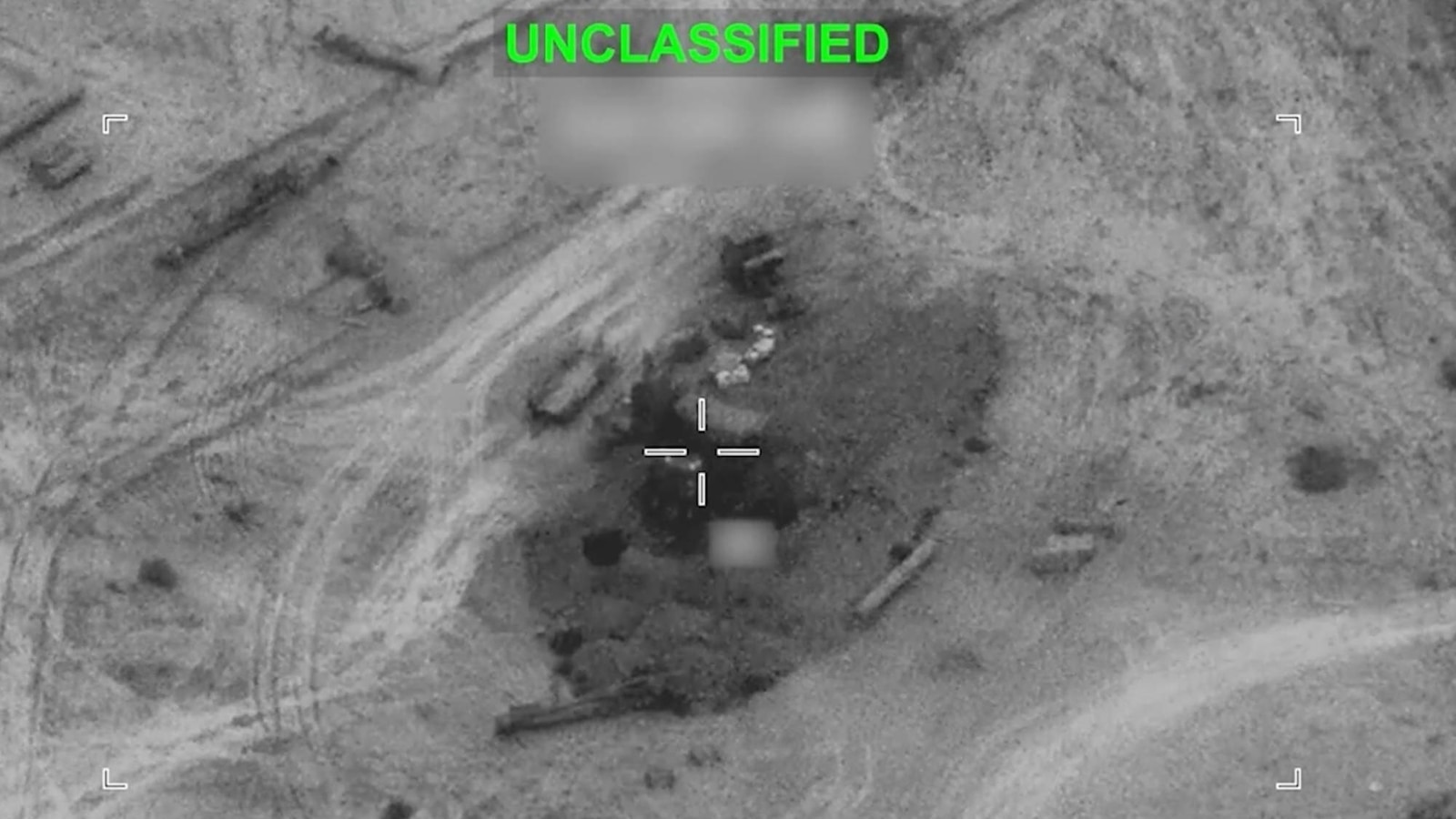
Qatar's Defense Ministry confirmed its armed forces intercepted a missile attack directed at the country, the latest in a series of strikes amid rising tensions between Iran and Gulf Cooperation Council states, according to ABC News. Officials did not immediately release casualty or damage figures, but said all threats were neutralized.
Kuwait also reported defending its airspace against what it called 'hostile aerial targets' in a parallel incident, ABC News reported. The flare-up marks a broader deterioration across the Gulf, with attacks near the Strait of Hormuz threatening shipping lanes and U.S. military assets in the region.
Al Udeid Air Base Emerges as Iran's Primary Target
Iran appears to be targeting Al Udeid Air Base specifically, according to Crypto Briefing. The base is Qatar's most critical military asset and serves as the main hub for U.S. air operations in the Middle East. By striking it, Iran aims to pressure American military capabilities in the region directly.
Qatar has now intercepted Iranian missiles and drones in at least three separate incidents. Previous interceptions were recorded on March 18 and April 5, 2026, Crypto Briefing reported. In every case, Qatar said no damage or casualties resulted from the attacks.
Patriot Missiles and F-15s Hold the Line
Qatar's air-defense system has proven highly effective so far. The country is using Patriot missile batteries and F-15QA fighter jets to shoot down incoming threats, according to Crypto Briefing. Qatar's overall interception rate stands at an impressive 97%.
Despite that strong record, analysts warn the high tempo of attacks is a stress test for Qatar's defenses. Each interception is costly, and a sustained campaign could strain resources over time. So far, however, Qatar's systems have held without a single confirmed hit on a target.
Container Ship Ablaze Near Strait of Hormuz
Beyond missile strikes on land, a Cyprus-flagged container ship was set ablaze following an attack near the Strait of Hormuz, ABC News reported. The crew abandoned ship after the fire broke out. One civilian crew member was reported missing following the incident.
The Strait of Hormuz is one of the world's most critical shipping lanes. About 20% of global oil trade passes through it. Attacks on commercial vessels raise fears of wider disruption to energy markets and supply chains if the conflict continues to escalate.
Qatar Walks a Tightrope Between Iran and the West
Qatar's position is uniquely complicated. It hosts the largest U.S. air base in the Middle East while also sharing the massive North Field gas reservoir with Iran — one of the world's biggest natural gas fields. That shared economic interest has historically kept communication channels open between Doha and Tehran, according to Crypto Briefing.
Qatar has publicly stressed its neutrality while defending its territory. Neighboring Gulf states are urging restraint and warning against further escalation. Analysts say the repeated interceptions may be shifting market expectations around Gulf stability, putting upward pressure on energy prices if the situation worsens.
Sentiment
Mostly NegativeNEGATIVENEUTRALPOSITIVE
Publishers
24
Articles
14
Reach
38
Topics
A
AnonymousAuthor


