Hormuz Tanker Tensions
Qatar and Saudi Arabia accuse Iran of tanker attacks, heightening Gulf tensions in Hormuz
Anonymous
Key Points
1
Qatar condemned Iran's attacks on Bahrain and Kuwait as flagrant violations of their sovereignty and international law, and urged dialogue and de-escalation while reaffirming solidarity with Bahrain and Kuwait.
2
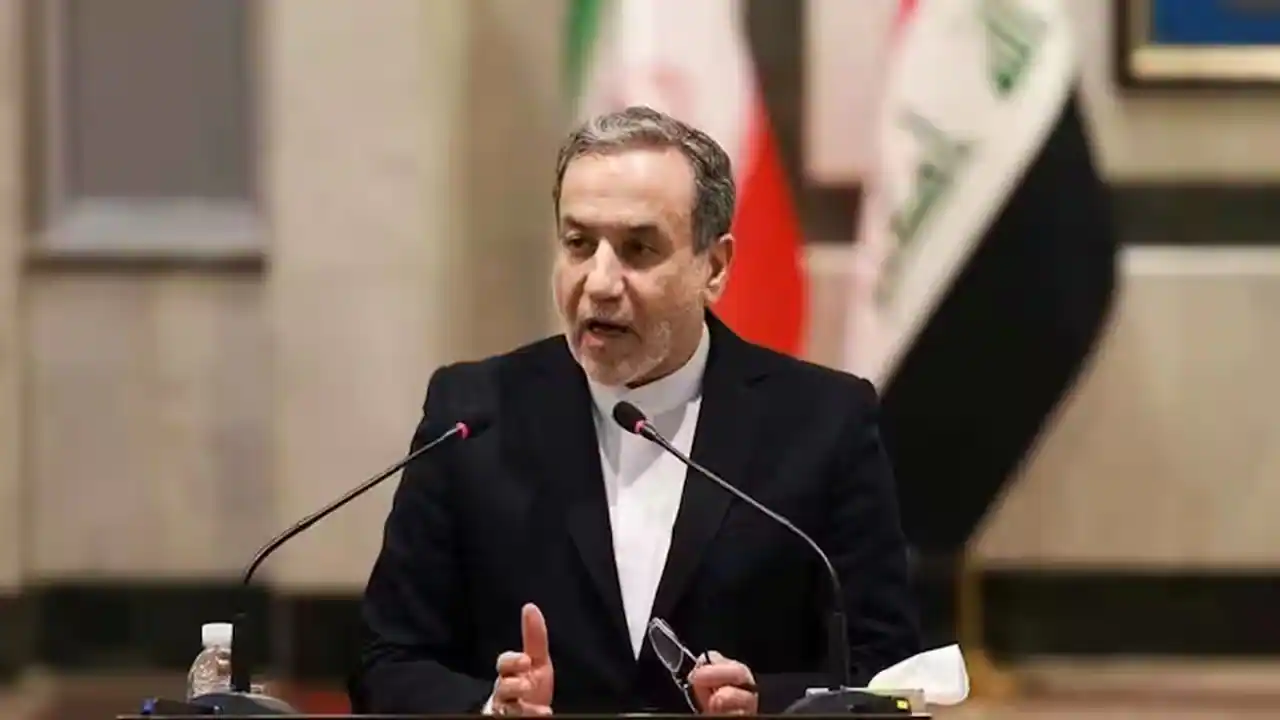
Qatar's foreign ministry spokesperson Majed al-Ansari stated that Qatar holds Iran fully legally responsible for the tanker attack near the Strait of Hormuz and any resulting damages or consequences, and called on Tehran to cease actions that undermine regional security.
3
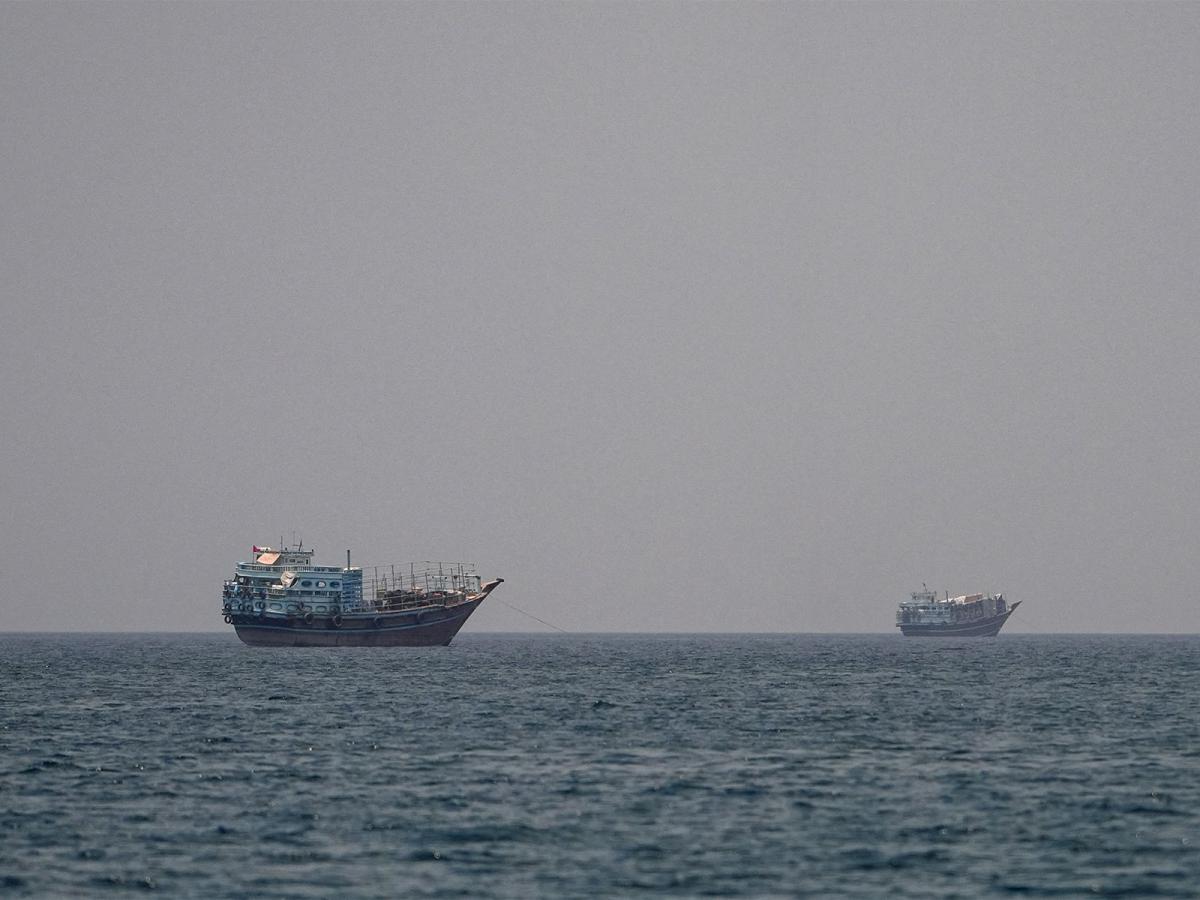
The UK Maritime Trade Operations, affiliated with the British Royal Navy, reported that the tanker was struck by a projectile off the coast of Oman, though the exact type of projectile was not specified.
4
Iran's foreign ministry spokesman Esmaeil Baghaei described Qatar's accusations as questionable and contrary to the principle of good neighborliness, calling them unacceptable.
5
Saudi Arabia condemned what it described as Iran's targeting of both the Saudi tanker Wedyan and the Qatari tanker Al-Rekayyat as they transited the Strait of Hormuz.
Iran struck at least three commercial vessels in the Strait of Hormuz on July 6–7, 2026, targeting a Qatari LNG tanker, a Saudi supertanker, and a UAE-owned gas carrier in a rapid escalation that shattered a fragile Gulf ceasefire. Qatar held Tehran "fully legally responsible" for the attack on its vessel Al Rekayyat, while the United States revoked Iran's oil sanctions waiver and launched retaliatory airstrikes against over 60 Iranian military assets overnight, according to The Hill.
The Strait of Hormuz carries roughly 20% of the world's oil and gas. Strait traffic collapsed from a pre-crisis average of 138 vessels per day to just 7 transits near midnight on July 7. Brent crude surged to $76.14 per barrel in post-settlement trading, according to Lokmat Times.
Qatar's LNG Tanker Hit, Crew Sends Mayday
The Qatari state-owned LNG carrier Al Rekayyat was struck by an IRGC drone on its port side off Limah, Oman. The ship's captain sent an urgent distress call: "Mayday mayday mayday. We are being hit by drone on port side, top of engine room. Engine room fire and full of smoke." The UK Maritime Trade Operations, linked to the British Royal Navy, confirmed the vessel was hit by a projectile off the Omani coast, though the exact type was not specified, according to The Hill.
Qatar's foreign ministry spokesperson Majed al-Ansari called it "an unacceptable attack on the security and safety of international maritime navigation." Doha summoned Iran's deputy ambassador and handed over a formal diplomatic protest. Qatar also condemned parallel Iranian strikes on vessels linked to Bahrain and Kuwait, reaffirming solidarity with both countries, according to Lokmat Times.
Saudi Arabia and Gulf Allies Unite in Condemnation
Saudi Arabia condemned what it called Iran's targeting of the Saudi-flagged supertanker Wedyan alongside the Qatari vessel Al Rekayyat as both ships transited the strait. Riyadh called the strikes "an assault on the security and safety of international navigation, and on the security of global energy supplies." Bahrain described the attacks as a dangerous escalation threatening global energy security, according to Voice of Emirates.
The UAE condemned the attack on the Qatari tanker as "a grave threat to international navigation," according to Yemen Online. Syria also joined the chorus, calling the strikes an "unacceptable act" and a violation of international law, according to Qatar News Agency. The broad regional response marked one of the most unified Gulf condemnations of Iran in recent years.
Iran Rejects Blame, Calls Accusations 'Unacceptable'
Iran's foreign ministry spokesman Esmaeil Baghaei pushed back hard. He called Qatar's accusations "questionable, unacceptable, and contrary to the spirit of good-neighborliness." Tehran claimed the targeted vessels used "uncoordinated routes" and turned off their AIS tracking signals — the digital system ships use to broadcast their location — while transiting near Iranian-controlled zones.
Iran's state media argued that under the Islamabad Memorandum of Understanding, signed on June 17–18, 2026, Tehran holds authority over navigation services in the strait. Iranian broadcasters framed the tankers as provocateurs operating with U.S. Navy support. The U.S. and Gulf states reject this interpretation, saying international law guarantees free transit through the Hormuz chokepoint, according to Lokmat Times.
Ceasefire Collapses, Oil Prices Spike, Shipping Halts
The attacks effectively destroyed the Islamabad MoU, a ceasefire deal reached just three weeks earlier. Brett Erickson of Obsidian Risk Advisors said: "It is a complete destruction of the Memorandum of Understanding. The oil sanction waivers were the only notable upfront concession that Iran received." The U.S. Treasury revoked Iran's temporary oil-export license on July 7, giving a wind-down deadline of July 17 for any existing transactions.
U.S. Central Command hit more than 60 IRGC small boats plus radar and air defense systems in Bandar Abbas, Qeshm, and Sirik overnight. The Joint Maritime Information Center raised the Hormuz threat level to "Severe" — its highest since June 15. Qatar urged all parties to return to dialogue and honor previously agreed mechanisms to reduce Gulf tensions, according to Voice of Emirates.
Sentiment
Mostly NegativeNEGATIVENEUTRALPOSITIVE
Publishers
57
Articles
88
Reach
145
A
AnonymousAuthor