Medicaid Work Rule
Millions risk losing Medicaid as federal rule demands work or activity proof
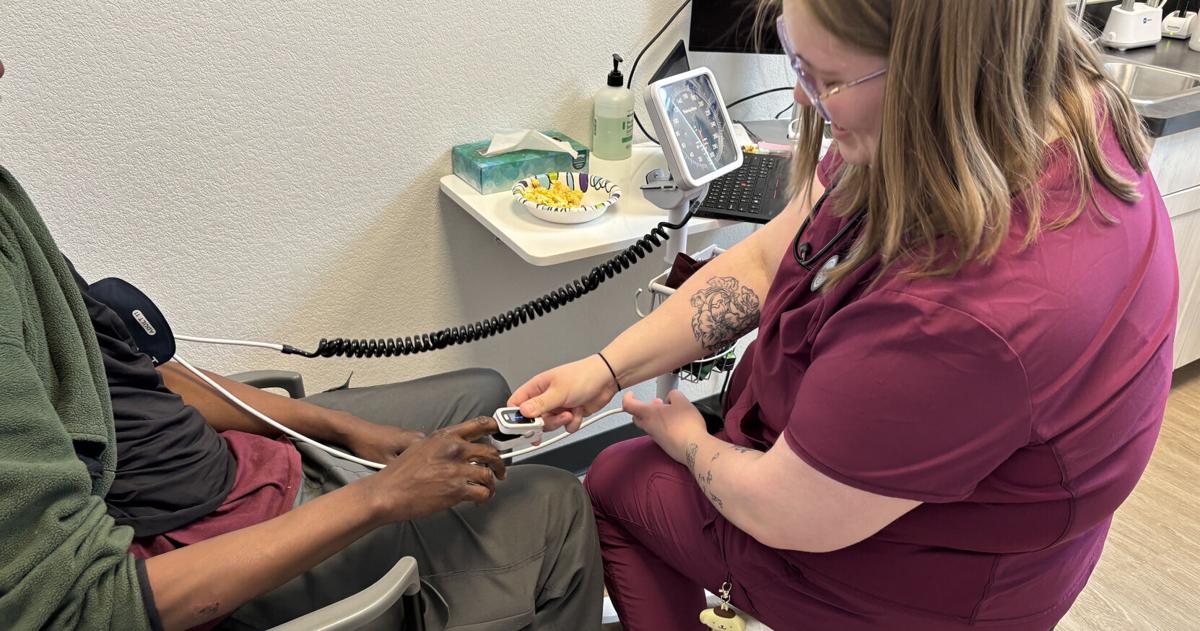
The federal government has finalized a rule requiring millions of Medicaid recipients to prove they work, volunteer, or attend school — or lose their health coverage. Pantagraph reports the rule is drawing sharp criticism for how it will affect people experiencing homelessness, who often cannot meet the paperwork demands required to show compliance.
Medicaid covers roughly 80 million low-income Americans. Advocates warn that homeless individuals — already among the most vulnerable — will be disproportionately cut off, not because they fail to qualify, but because navigating government bureaucracy without a stable address or internet access is nearly impossible. Buffalo News notes the rule places the burden squarely on enrollees to document their activity or face losing care.
What the New Medicaid Work Rule Actually Requires
Under the finalized rule, Medicaid enrollees must log a set number of hours each month in approved activities — paid work, job training, volunteering, or school. They must then report and document those hours to their state Medicaid office. Failing to do so means losing coverage. Post-Star reports that states will be required to implement the rule, with few exceptions built in for people in unstable living situations.
Supporters say the rule promotes self-sufficiency and ensures Medicaid serves people actively trying to improve their situation. But critics point out that similar requirements, tested in Arkansas in 2018, stripped about 18,000 people of coverage in just a few months before courts blocked the effort. Trib reported that most of those people lost coverage due to paperwork failures, not because they weren't working.
Why Homeless People Face the Steepest Barriers
For people without housing, proving compliance is a major obstacle. They may lack a mailing address to receive notices, a phone to call agencies, or internet access to submit forms online. Rapid City Journal notes that missing a single deadline — even for someone who does volunteer or work — can trigger an automatic coverage termination.
Homeless individuals also frequently cycle through shelters, emergency rooms, and temporary housing. That instability makes consistent record-keeping nearly impossible. Fredericksburg.com reports that health clinics serving homeless populations are bracing for a wave of patients who will show up uninsured, having lost Medicaid not because of the work rule itself, but because the reporting system failed them.
Health Advocates Sound the Alarm on Coverage Losses
Health care advocates across the country are warning that the rule will cause a surge in uncompensated care costs — expenses hospitals absorb when uninsured patients can't pay. Elko Daily reports that emergency rooms could see increased strain as people who lose Medicaid delay care until their condition becomes a crisis.
The Star-Herald and Auburn Citizen both highlighted concerns from local shelter operators, who say they lack the staff to help clients navigate the new paperwork requirements. Without dedicated support workers helping homeless individuals document their activities, advocates say the rule effectively functions as a coverage ban for that population. Star-Herald called it "a logistical wall for the most vulnerable."
What Comes Next as States Prepare to Comply
States now face the task of building systems to track and verify compliance. Helena Independent Record reports that states with larger homeless populations are asking federal officials for more flexibility and longer implementation timelines. Legal challenges are also expected, following the pattern of past work requirement efforts that were struck down in federal court.
The OA Now reported that advocacy groups are already preparing lawsuits, arguing the rule violates the Medicaid statute's core purpose of providing health coverage to low-income Americans. The timeline for full implementation remains unclear, but millions of enrollees could be affected within months of states rolling out new verification systems. OA Now noted the stakes are especially high for the estimated 580,000 Americans who are homeless on any given night.
Sentiment
NeutralPublishers
11
Articles
11
Reach
11


