Strait of Hormuz Conflict
U.S. and Iranian forces clash in the Strait of Hormuz amid drone seizures.
Anonymous
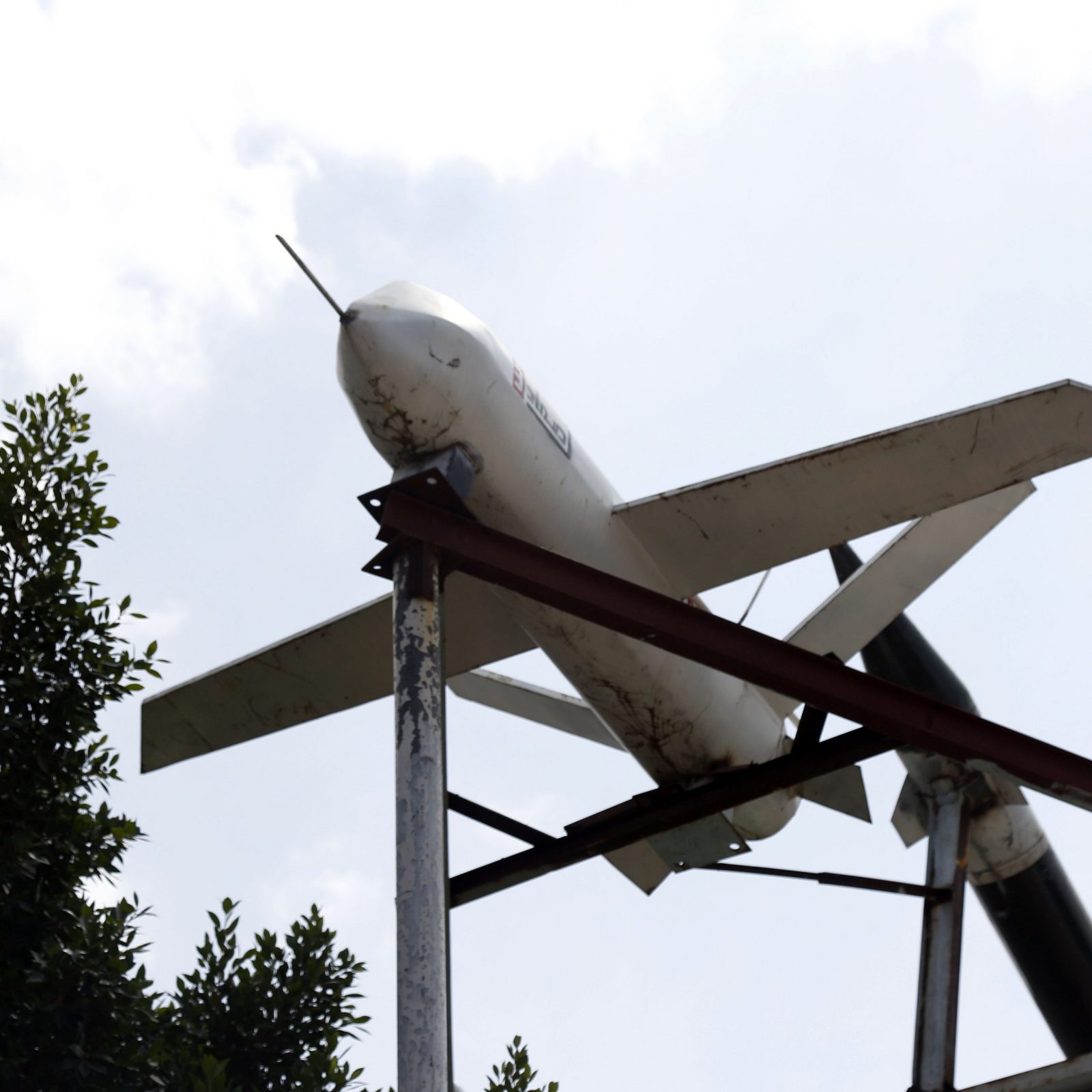
Key Points
1
The captured Dive-LD is a $2.5 million, 19-foot autonomous submarine capable of diving nearly 20,000 feet and performing reconnaissance, mine-clearing and enemy-submarine-hunting missions.
2
Experts said Iran may be able to study the drone’s power supply, navigation, communications, sonar and optical sensors, although its encrypted software would probably remain inaccessible; Iran could also seek Russian assistance in developing a domestic version.
3
The confrontation occurred as the United States and Gulf countries began conducting daytime tanker transits through the Strait of Hormuz, rather than limiting passages to nighttime, while oil traffic remained below prewar levels and Saudi Arabia increased tanker movements amid escalating Red Sea fighting with the Houthis.
4
Amazon Web Services has advised customers affected by the damaged Abu Dhabi and Bahrain facilities to move their data to other regions, but the company has not provided a timetable for completing repairs.
5
Iran’s state broadcaster claimed that an MQ-1 was the third U.S. drone shot down by Iran on the same day, though the claim was attributed to Iranian media rather than independently verified.
The United States and Iran clashed again around the Strait of Hormuz on September 8, with Iran capturing a disabled $2.5 million American underwater drone while U.S. forces destroyed two Iranian boats attempting to seize another vessel CENTCOM. The captured Dive-LD, a 19-foot autonomous submersible that dives nearly 20,000 feet, carried no classified equipment but offers Iran a rare look at U.S. underwater technology. The same day, Iran claimed it shot down three American MQ-1 drones, though U.S. officials have not confirmed those reports.
Tensions in the Persian Gulf remain high as a separate Iranian drone attack left Amazon Web Services data centers in Abu Dhabi and Bahrain largely offline for more than six months, disrupting thousands of customers and exposing critical vulnerabilities in Gulf cloud infrastructure daijiworld.com. The incidents underscore Iran's willingness to target both military and commercial infrastructure in the region.
How Iran Captured a U.S. Navy Submarine Drone
An Anduril Dive-LD autonomous underwater vehicle malfunctioned and went dead in the water for more than a day while conducting regional surveys in early September CENTCOM. The Islamic Revolutionary Guard Corps Navy found the helpless drone and towed it to shore, announcing the capture at dawn on September 8. CENTCOM emphasized the vehicle was old, contained no classified sonar or radar systems, and carried no sensitive mission data.
Anduril Industries, the drone's manufacturer, downplayed the loss by describing the Dive-LD as an "attritable" system—meaning it was designed from the start to operate in dangerous areas where losing it was expected Military.com. Still, Iranian and Russian engineers could study the drone's hull, power supply, navigation systems, optical sensors, and propulsion technology, even if its encrypted software remains locked The War Zone.
U.S. Forces Destroy Two Iranian Boats in Separate Clash
On the same day as the submarine capture, Revolutionary Guard personnel attempted to seize a U.S. unmanned surface vessel near the Strait of Hormuz CENTCOM. American forces responded by destroying two small Iranian boats involved in the attempt. Iran later reported missing fishermen from the strike area, though U.S. officials said they targeted only armed military vessels.
The incident reflects escalating tactics in the waterway as the U.S. and Gulf allies began conducting daytime tanker transits through the Strait, breaking from previous nighttime-only passages cdispatch.com. The move signals Washington's commitment to freedom of navigation despite lingering mine threats and Iranian drone attacks in the region.
Iranian Drone Strike Cripples AWS Data Centers for Six Months
An Iranian drone attack struck Amazon Web Services facilities in Abu Dhabi and Bahrain, leaving them largely offline for more than six months and disrupting thousands of regional customers and businesses wanaen.com. AWS has advised affected clients to move their data to other regions but has not provided a timeline for completing repairs at the damaged sites.
The strike highlights Iran's shift toward targeting commercial dual-use infrastructure alongside military assets dnaindia.com. Cloud outages in the Gulf region have driven up shipping insurance premiums and complicated energy trade, as overall oil traffic remains below prewar levels due to Houthi attacks in the Red Sea.
Unverified Claims of Three U.S. Drones Shot Down
Iran's state broadcaster and the Islamic Revolutionary Guard claimed that American forces lost three MQ-1 drones over the Strait of Hormuz on September 8 muslimnetwork.tv. The claims have not been independently verified or confirmed by U.S. military officials or third-party observers. If true, the losses would mark an escalation in Iranian air defenses against American surveillance operations.
Iranian military officials also stated that missiles seriously damaged U.S. warships and frigates in recent weeks wanaen.com, assertions that U.S. Central Command has not confirmed. The competing narratives reflect how both sides use these incidents for domestic propaganda and regional messaging in an increasingly volatile standoff.
Sentiment
Mostly NegativeNEGATIVENEUTRALPOSITIVE
Publishers
41
Articles
248
Reach
289
A
AnonymousAuthor


