Doula Access Barriers
Medicaid Doula Coverage Grows but Regulatory Barriers Keep Services Out of Reach
Medicaid now covers doula services in 26 states and Washington D.C., yet most eligible families still cannot access them. According to Journal Times, major barriers like high certification costs and complicated paperwork are keeping doulas away from the program — especially in Northern Virginia. The result: a massive gap between available coverage and actual usage.
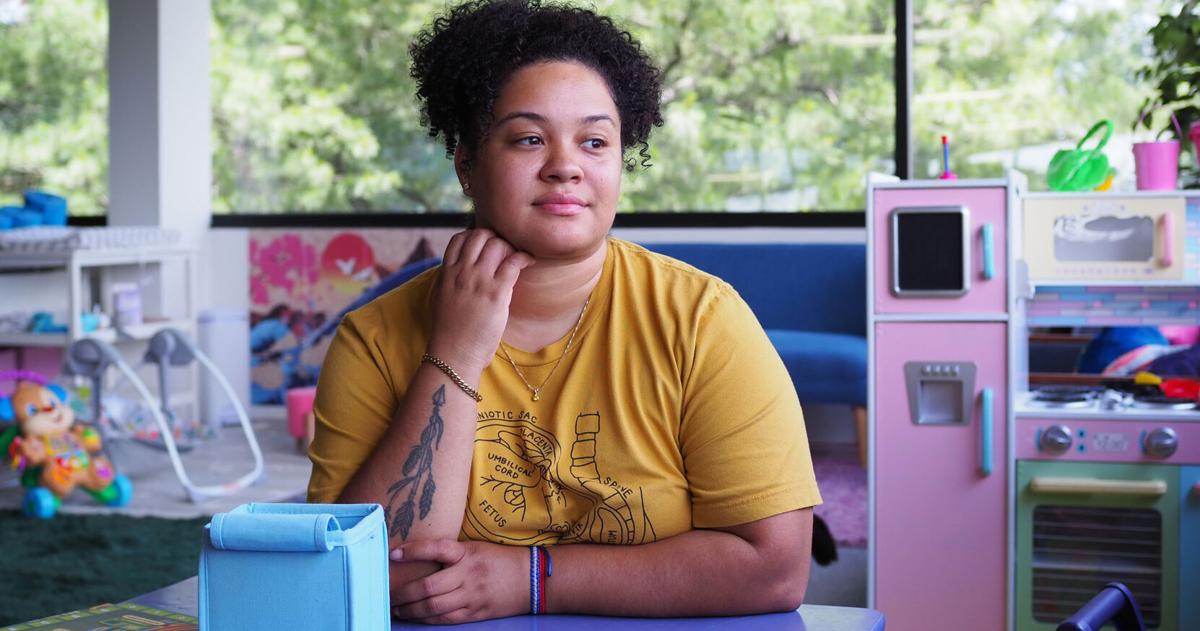
Doula Taja Iglesias and her partner founded The Momager Co. to tackle this problem. Crossroads Today reported they created a dedicated space to support parents during pregnancy and birth. But even with Medicaid paying for these services, the practical challenges remain too steep for many doulas to participate.
Why Doula Certification Costs Block Participation
Becoming a certified doula requires expensive training programs and ongoing education. Madison.com notes that these upfront costs create a financial barrier for many people who want to become doulas. Without guaranteed payment from Medicaid clients, the investment feels too risky.
States that cover doula care don't always cover the certification process itself. Doulas must pay thousands out of pocket first. Only then can they start serving Medicaid beneficiaries and begin recouping costs.
Paperwork and Red Tape Overwhelm Willing Providers
Even certified doulas face mountains of bureaucratic requirements to join Medicaid networks. Fremont Tribune explained that application processes vary by state and often demand extensive documentation. Many doulas find the paperwork so complex they give up before completing it.
The complexity discourages small business owners who lack administrative staff. Solo doulas cannot justify hiring someone just to handle Medicaid paperwork. This administrative burden alone keeps many providers out of the system.
Northern Virginia Shows the Access Crisis in Action
Northern Virginia illustrates how coverage gaps persist even in wealthy regions. NWI Times reported that despite Medicaid coverage existing in Virginia, doula availability remains critically low. Pregnant people who qualify for Medicaid often cannot find a single doula accepting their insurance.
This regional shortage reflects the national trend. Pockets of zero access coexist with states that officially offer coverage. The difference between legal coverage and actual access reveals a system failure.
Growing Recognition But Systemic Fixes Still Needed
More states keep adding doula coverage to Medicaid — now reaching 26 states plus D.C. The Tribune notes this expansion shows growing recognition of doula value in childbirth outcomes. Medicaid leaders increasingly see doulas as a cost-effective way to improve maternal health.
But expanding coverage without fixing barriers does little good. States need to lower certification costs, streamline paperwork, and ensure reasonable payment rates. Without these systemic changes, coverage remains merely symbolic rather than truly accessible.
Sentiment
NeutralPublishers
17
Articles
16
Reach
17


