Cuba Grid Fails Amid Crisis
Cuba's National Grid Collapses, Leaving 10 Million Without Power Amid Sanctions and Protests
Anonymous
Key Points
1
Díaz-Canel framed the outage as a defense of Cuba’s sovereignty, vowing to defend the country and signaling readiness to retaliate if attacked, while decrying U.S. sanctions as a “genocidal” energy blockade and accusing Washington of wielding media campaigns against Cuba.
2
A Russian ‘Dark Fleet’ oil tanker was detected off the U.S. coast and is believed to be delivering oil to Cuba, suggesting possible sanctions-busting activity amid the blockade.
3
The blackout disrupted health services, with tens of thousands of surgeries canceled nationwide as public health infrastructure struggled to operate under fuel and power shortages.
4
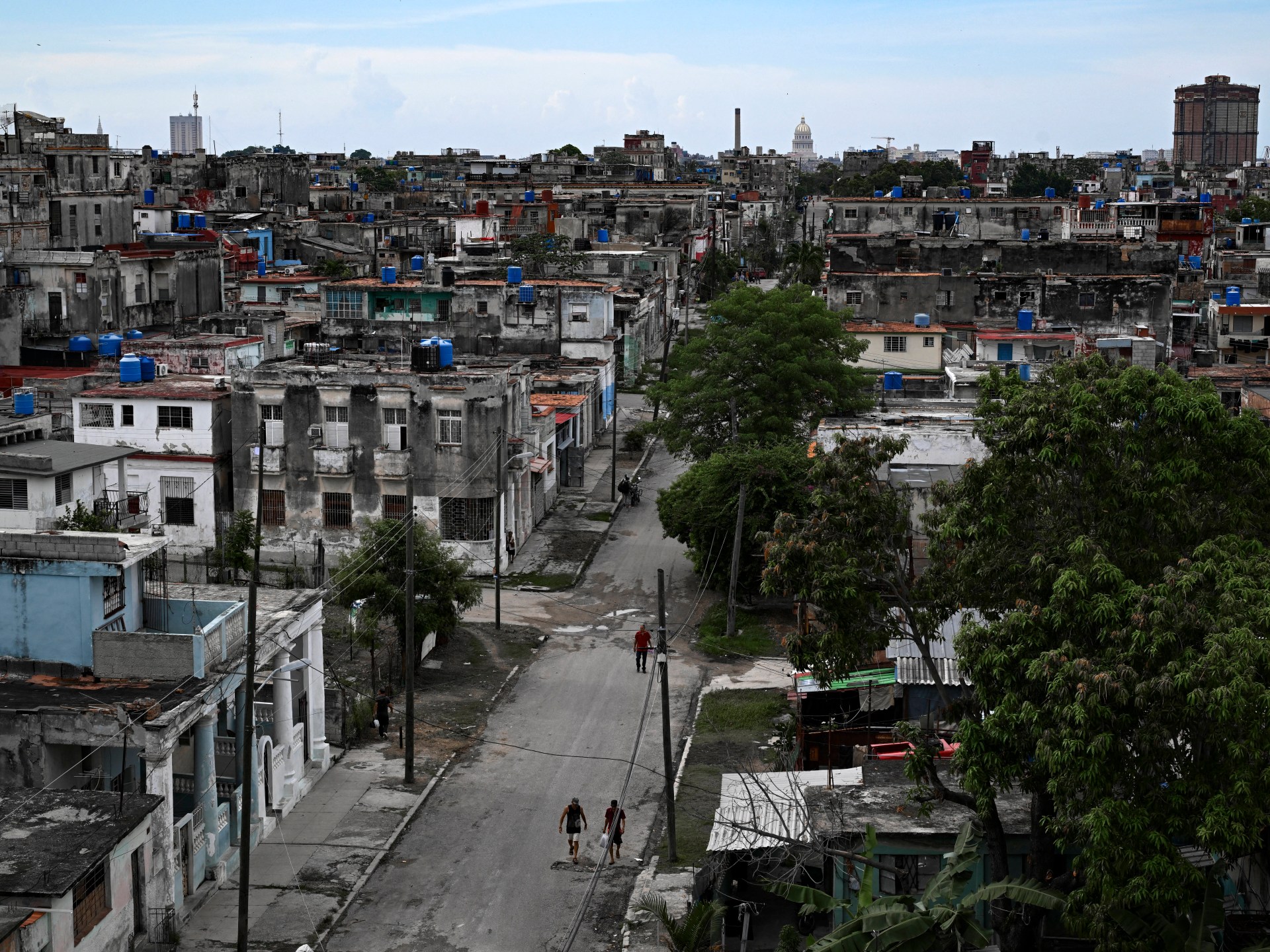
In Havana, many residents were left without power and communications, and a television newscast urged those with electricity to inform neighbors about the outage, underscoring the pervasive communications gap.
5
Cuba’s energy diversification posture includes solar power, with solar reportedly contributing about 10% of the island’s electricity supply, though progress remains limited.
Cuba's national electric grid collapsed entirely on July 6, cutting power to nearly 10 million people in what has become the island's third nationwide blackout in six months, according to Al Jazeera. Grid operator UNE confirmed a total system failure at midday, with only about 1% of Havana's electricity demand being met by late afternoon.
The collapse is Cuba's eighth major outage since late 2024. It comes as fuel reserves shrink and the island's aging Soviet-era grid continues to deteriorate under years of underinvestment, according to WXOW.
Grid Failure Shuts Down Hospitals and Communications
When the grid collapsed, tens of thousands of surgeries were canceled nationwide, according to Sight Magazine. Authorities scrambled to activate microsystems — small, isolated power units — to keep hospitals and food production centers running. One generating unit came back online within roughly two hours of the initial failure.
The communications blackout was so severe that a television newscast urged residents who still had power to go door-to-door and tell their neighbors what was happening, according to Head Topics. In Havana, most residents had no electricity and no way to get information.
Cuba Blames U.S. Sanctions for 'Genocidal' Fuel Blockade
Cuban President Miguel Díaz-Canel framed the blackout as an act of foreign aggression. He called U.S. sanctions a "genocidal" energy blockade and accused Washington of running media campaigns to stir social unrest inside Cuba, according to Al Jazeera. He vowed to defend Cuba's sovereignty and warned of retaliation if attacked.
U.S. sanctions have sharply cut the fuel Cuba can import. Cuban officials say this directly starves the grid of the oil needed to run power plants and make repairs. Washington has not publicly responded to Díaz-Canel's latest statements.
Russian 'Dark Fleet' Tanker Spotted Possibly Busting Sanctions
A Russian oil tanker from the so-called "dark fleet" — ships that operate outside Western tracking systems to move sanctioned oil — was detected off the U.S. coast and is believed to be heading to Cuba, according to Yahoo News. The vessel is suspected of delivering oil to the island in defiance of the U.S. blockade.
The dark fleet has grown significantly since Russia's 2022 invasion of Ukraine, as sanctioned nations find ways to move fuel outside official channels. If confirmed, the shipment would mark a direct attempt to break the U.S. energy stranglehold on Cuba.
Solar Power Offers Slim Hope as Protests Grow Louder
Cuba has been trying to reduce its dependence on imported oil by expanding solar energy. Solar now accounts for about 10% of the island's electricity supply, according to Head Topics. But that share is far too small to prevent grid-wide collapses when fuel runs short.
Meanwhile, public anger is rising. Protests have intensified across the island, and authorities have warned of consequences for demonstrators. The government says it is defending sovereignty. Critics say the Cuban people are paying the price for a failing system and a deepening political standoff with Washington, according to Al Jazeera.
Sentiment
Mostly NegativeNEGATIVENEUTRALPOSITIVE
Publishers
48
Articles
247
Reach
295
A
AnonymousAuthor


