CDC Program Staffing Crisis
CDC Health Programs Suffer Massive Staffing Cuts Following Political Oversight Mandates
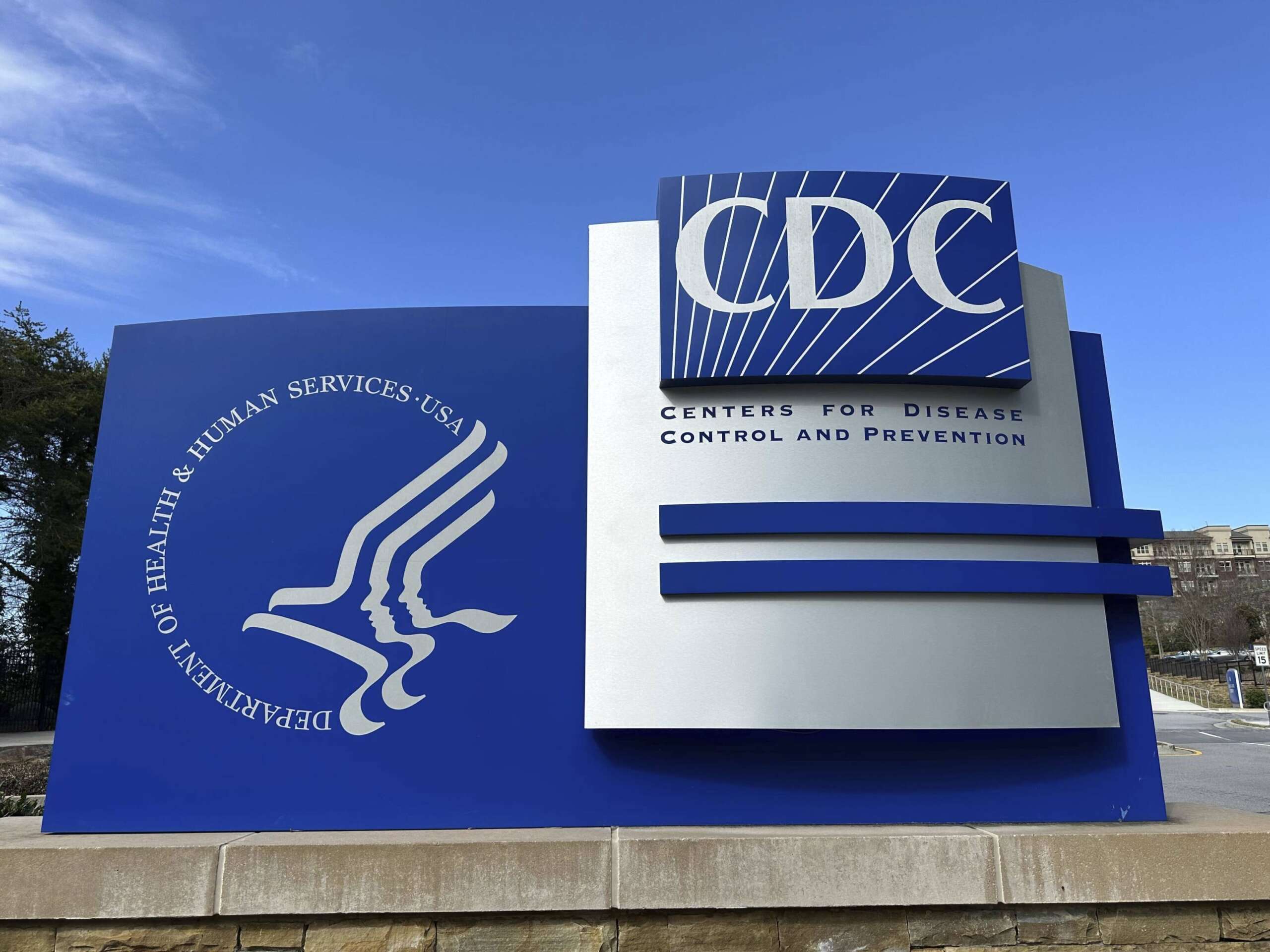
The CDC still funds dozens of programs, but many have almost nobody left to run them. Congress allocated $41 million for the Alzheimer's disease program alone this year, yet the agency has skeleton crews working on critical public health issues KCRA. The Office on Smoking and Health, epilepsy programs, and sickle cell disease data collection all faced severe staff cuts that left these "zombie programs" operating in name only.
The cuts stemmed from political pressure and restructuring by the new CDC director, Dr. Erica Schwartz, whose bosses in the Republican administration pushed for downsizing KOAT. Researchers, scientists, and senior leaders departed, leaving gaps in the experts who shape U.S. decisions on medical research and drug approvals. Some cuts were later reversed following lawsuits and congressional pleas.
Congress Funds Programs That Have No Staff
The Alzheimer's program exemplifies the problem: Congress gave it $41 million in 2024, yet the agency has almost no one working on it KETV. The Office on Smoking and Health faced the same trap. These programs still exist on paper and still receive taxpayer money, but they function with minimal operations.
Similar cuts hit epilepsy research and sickle cell disease data collection WCVB. The mismatch between funding and staffing creates a breakdown: Congress appropriates money, but the CDC cannot spend it effectively because key positions sit empty.
Political Pressure Led to Widespread Layoffs
Dr. Erica Schwartz, the CDC's new director, faced demands from Republican leadership to shrink the agency KOAT. The Department of Government Efficiency, led by Elon Musk's advice, pushed for cuts across federal health programs. The layoffs were not random—they targeted research teams and support staff in specific disease areas.
Researchers, scientists, doctors, and senior leaders all left or were forced out WMUR. These departures removed expertise that guided major U.S. health decisions. The CDC lost institutional knowledge that takes years to rebuild, from drug approval processes to disease surveillance.
Legal Battles Won Some Programs Back
Employees and advocacy groups filed lawsuits challenging the cuts WGAL. They argued that eliminating these programs violated federal law and harmed public health. Some reversals followed, but the damage to morale and continuity remained significant.
Congressional members also pressured leadership to restore funding and staff KSBW. The process exposed a gap: Congress appropriates money for disease research, but the agency director can still hollow out programs by removing the people who do the work. The zombie programs highlight how funding alone does not guarantee a functioning health agency.
Sentiment
NeutralPublishers
10
Articles
10
Reach
10


