Boston Stadium Cleared
Massachusetts SJC Clears Boston's $325M White Stadium Redevelopment, Upholding Public-Private Plan
Key Points
The stadium parcel’s park status was effectively removed decades ago: in 1947 the land was transferred to the George Robert White Fund, and in 1950 it was designated as a 'school building and yard' under Boston Public Schools, which the court said removed Article 97 protections.
Financials and ownership structure were clarified: Mayor Wu said the city is contributing about $135 million toward the project, with total costs now exceeding $325 million, while the city and Boston Public Schools will retain ownership under a 10-year lease with Boston Legacy FC.
The court address? standing and scope: the SJC ruled the plaintiffs lacked standing to challenge, noting they have no cognizable interest in the George Robert White Fund, and that challenges to areas of Franklin Park outside the stadium parcel fail as a matter of law.
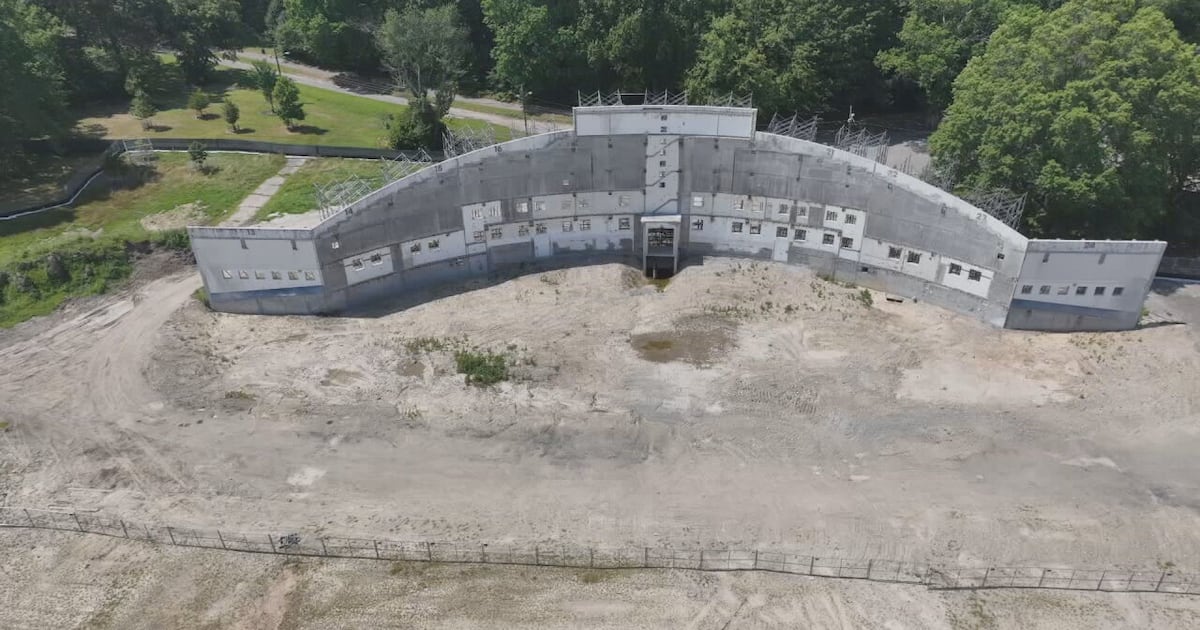
Demolition has begun and advocates frame the project as a major community benefits deal: the renovated White Stadium is pitched as a hub for Boston Public Schools athletics and the home venue for Boston Legacy FC, with Mayor Wu highlighting it as the largest community benefits deal in Boston’s history.
Massachusetts' highest court has cleared the way for Boston's $325 million White Stadium redevelopment in Franklin Park, rejecting a legal challenge from the Emerald Necklace Conservancy and residents Commonwealth Beacon. The Massachusetts Supreme Judicial Court ruled that the stadium parcel lost its parkland protection decades ago—in 1947 when it was transferred to the George Robert White Fund, and again in 1950 when it was designated as a school building and yard WGBH. The decision allows construction to proceed toward a potential 2027 opening for Boston Legacy FC's professional soccer team.
Mayor Michelle Wu called the project the largest community benefits deal in Boston's history Boston 25 News. The city is contributing about $135 million, with total costs exceeding $325 million, while Boston and Boston Public Schools retain ownership under a 10-year lease with the pro team. Demolition has already begun, ending the legal battle that threatened the plan.
How a 1947 Land Transfer Removed Park Protections
The court's decision hinged on two legislative actions from 75 years ago. In 1947, the stadium parcel was transferred to the George Robert White Fund Commonwealth Beacon. Then in 1950, it was formally designated as a 'school building and yard' under Boston Public Schools WCVB. These moves effectively stripped the land of Article 97 protections—state law that guards against converting public parkland to other uses.
The plaintiffs argued the stadium remained protected parkland and needed legislative approval to change. But the court disagreed, finding that the earlier designations had already removed it from parkland status. Since the land was no longer classified as park, Article 97 no longer applied. This technical ruling closed the door on the main legal challenge.
Court Dismisses Residents' Standing to Challenge the Deal
The court ruled that the Emerald Necklace Conservancy and resident challengers lacked legal standing to sue WGBH. Standing means you must have a direct, personal interest in the outcome. The court found the plaintiffs had no cognizable interest in the George Robert White Fund itself. They also had no basis to challenge decisions affecting other parts of Franklin Park outside the stadium parcel.
This standing decision was as important as the parkland ruling. It meant the court did not need to weigh arguments about privatization, high costs, transit problems, or gentrification Commonwealth Beacon. By denying standing, the judges swept aside most of the opponents' concerns in one motion.
Public-Private Partnership to Serve Schools and Pro Soccer
The renovated White Stadium will serve two main purposes under the 10-year lease agreement. Boston Public Schools gets a state-of-the-art facility for student athletics WGBH. Boston Legacy FC gets a home venue for its professional soccer matches. The city and schools retain ownership—no privatization of the actual property.
The project costs $325 million total, with the city providing roughly $135 million Boston 25 News. Boston Legacy FC will operate the stadium and pay annual rent. Mayor Wu framed the deal as a win-win that upgrades school facilities while bringing professional sports to the neighborhood. Construction has already started, moving toward a 2027 season opening for the team Commonwealth Beacon.
Sentiment
Mostly NegativePublishers
10
Articles
1
Reach
11


