College Payments Go Digital
PayPal and Venmo Now Enable Tuition Payments Nationwide, Offering Students New Flexibility for College Expenses.
Key Points
The rollout is tied to a broader legacy of PayPal/Venmo in education, marked by a one-year anniversary of Big Ten and Big 12 agreements that included institutional revenue-share payments for student-athletes via PayPal/Venmo.
Nelnet Campus Commerce president Jackie Strohbehn emphasized that adding PayPal and Venmo is about meeting students at that moment with more flexibility and less friction, so affordability isn’t a barrier to staying enrolled.
Before paying, students and families should consider wallet balances, bank-imposed transaction limits, and varying payment acceptance terms by institution and platform, as policies are not uniform across schools.
The education-payments ecosystem behind the rollout is sizable, with Illumia, Nelnet Campus Commerce, and TouchNet collectively serving thousands of colleges and universities.
Frank Keller, PayPal’s president of checkout solutions, framed tuition payments as requiring the same level of trust and security that users expect from PayPal and Venmo in everyday transactions.
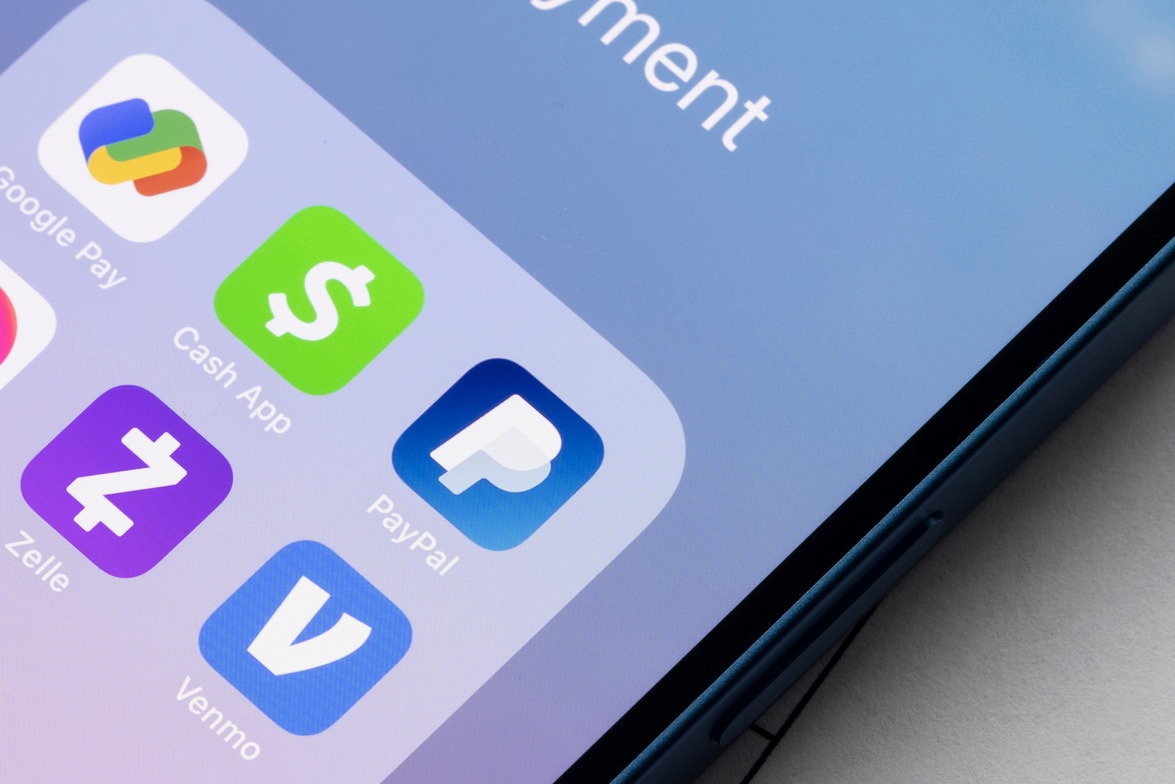
Students at a growing number of U.S. colleges can now pay tuition directly through PayPal or Venmo, Washington Post reported. Michigan State University, Texas Tech University, Butler University, Bellarmine University, and Kansas State University are among the first schools to accept the digital wallet payments.
PayPal struck deals with three campus payment platforms — Illumia, Nelnet Campus Commerce, and TouchNet — to make the rollout possible, according to PYMNTS. Together, those three platforms serve thousands of colleges and universities across the country, meaning many more schools could follow soon.
How the Tuition Payment System Actually Works
Students and families don't pay PayPal or Venmo directly. Instead, they pay through their school's existing payment portal — powered by Illumia, Nelnet Campus Commerce, or TouchNet — and can choose PayPal or Venmo as the payment method at checkout, PYMNTS explained.
Frank Keller, PayPal's president of checkout solutions, said tuition payments demand the same level of trust users expect in everyday purchases. "The same encryption and fraud monitoring that protect a $20 dinner payment also protect a $20,000 tuition bill," he said, according to au.investing.com.
Schools Sign On to Cut Enrollment Friction for Students
Nelnet Campus Commerce president Jackie Strohbehn framed the move around keeping students enrolled. She said adding PayPal and Venmo is about "meeting students at that moment with more flexibility and less friction, so affordability isn't a barrier to staying enrolled," according to PYMNTS.
That framing matters. Missing a tuition payment can trigger late fees or even a hold on a student's account. Giving families more payment options — especially ones they already use — could reduce those slip-ups, Washington Post noted.
What Students Must Check Before Paying Tuition This Way
Not every school accepts both PayPal and Venmo. Policies vary by institution. Washington Post reported that students and families should check their wallet balances, bank-imposed transaction limits, and their school's specific payment terms before sending money.
PayPal and Venmo are also not adding fees on top of tuition, according to TechCrunch. But some schools may charge their own convenience fees for digital wallet payments, just as they do for credit cards. Students should read the fine print before clicking pay.
A Bigger Push by PayPal Into College Finances
This tuition rollout isn't PayPal's first move into higher education. CoinLaw noted it comes roughly one year after PayPal and Venmo struck deals with the Big Ten and Big 12 conferences. Those deals included using PayPal and Venmo to send revenue-share payments directly to student-athletes.
The pattern is clear. PayPal is targeting large, recurring transactions that were once limited to bank transfers or checks. Tuition is one of the biggest bills a family pays each year. Getting into that workflow gives PayPal a major foothold in a market it previously barely touched.
Sentiment
Mostly PositivePublishers
20
Articles
23
Reach
43


