Premature Seat-Belt Use Risks
AAA Warns That Most Children Move to Adult Seat Belts Too Early
Anonymous
Key Points
1
National crash data showed that restraint use declines substantially as children get older: 78% of injured 3-year-olds involved in crashes were riding in a car seat or booster seat from 2020 to 2024, compared with only 45% of injured 6-year-olds.
2
AAA’s findings were based on more than 100,000 child-passenger-safety inspections conducted nationwide in 2025 by certified Child Passenger Safety Technicians.
3
Pensacola Fire Lt. Christopher Dennis compared rear-facing seats with astronauts’ reentry capsules, explaining that a rear-facing position helps distribute crash forces and reduces the risk of a child’s head and neck being jolted forward.
4
Child-restraint requirements vary by state: Maryland requires an appropriate child restraint for children under 8 unless they are at least 4 feet 9 inches tall, while Virginia requires children under 8 to use a child safety seat or booster regardless of height or weight.
5
AAA and the National Safety Council issued the warning during National Child Passenger Safety Week, held Sept. 20–26, alongside Baby Safety Month, emphasizing that children should remain in a properly fitting booster rather than being rushed into an adult seat belt.
AAA found that most children are switching to adult seat belts too early, before the belts fit properly. AAA inspections of over 100,000 child seats nationwide in 2025 found that 86.5% of children used adult seat belts prematurely, with rates reaching 95% in Florida and 90.3% in Tennessee. This early switch puts kids at serious risk during crashes.
The problem is widespread: improper use of child restraints affected 76.4% of inspected seats in Tennessee and 72% in Florida. National Safety Council data shows restraint use drops sharply as children age — 78% of injured 3-year-olds in crashes from 2020 to 2024 used car seats or boosters, but only 45% of injured 6-year-olds did.
Why Early Transitions Put Kids at Risk
An adult seat belt doesn't protect a child's body properly until they reach a certain size. Pensacola Fire Lt. Christopher Dennis compared rear-facing seats to astronauts' reentry capsules — the position helps spread crash forces across a child's back instead of jolting their head and neck forward. Switching too early removes this critical protection.
Children need three things before moving to an adult belt: the lap belt must rest flat across their hips, the shoulder belt must cross their chest without touching their neck, and they must be able to sit with their back against the seat and knees bent. Most kids don't meet these standards until age 10 or 11.
Height and Weight Matter More Than Age
State laws recognize this reality — some require children under 8 to use proper restraints no matter how tall they are. Maryland requires an appropriate child restraint for children under 8 unless they are at least 4 feet 9 inches tall, while Virginia requires all children under 8 to use a safety seat or booster regardless of height or weight.
The key is matching the restraint to the child's current size, not their birthday. Parents should keep children rear-facing as long as possible, typically until age 2 or 3. Then move to a forward-facing car seat with a harness, then a booster seat, before finally graduating to an adult seat belt.
Steps Parents Must Take Right Now
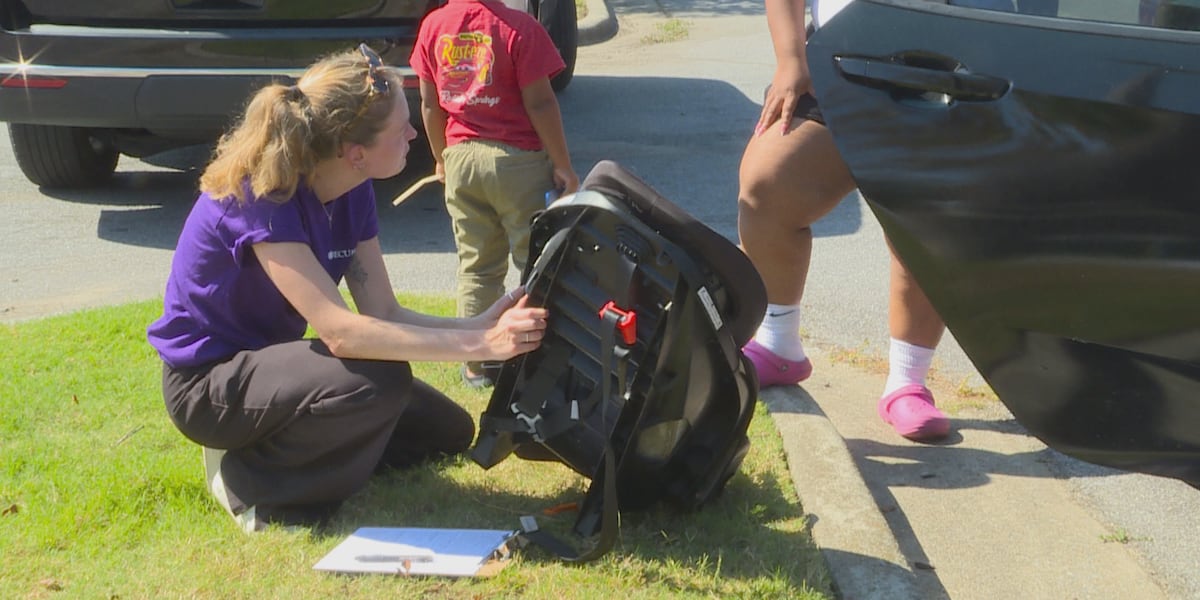
Check your child's current restraint and verify the installation is correct — many parents tighten harnesses wrong or forget chest clips. AAA recommends consulting the car seat manufacturer's instructions or seeing a certified child-passenger-safety technician before moving a child to the next stage.
Use the tether strap when required — it anchors the car seat and prevents forward movement in a crash. National Safety Council and AAA both emphasized these steps during National Child Passenger Safety Week, held Sept. 20–26, which coincided with Baby Safety Month.
Sentiment
Mostly NegativeNEGATIVENEUTRALPOSITIVE
Publishers
20
Articles
6
Reach
26
A
AnonymousAuthor


