Deadly Hot Cars
Fourth Florida Child Dies in Hot Car Over Holiday Weekend, Highlighting Ongoing Danger
Anonymous
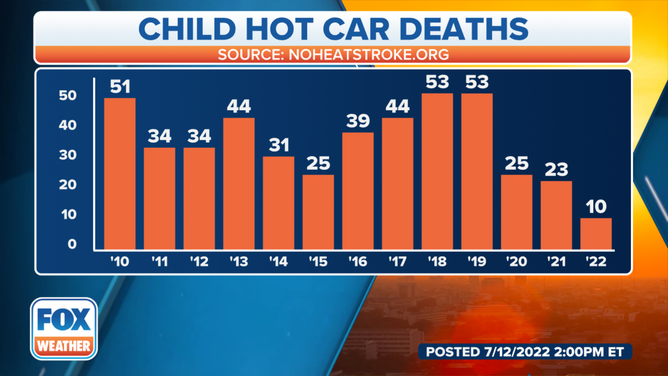
A fourth Florida child has died in a hot car in just over two weeks, with the latest death occurring over the Fourth of July holiday weekend in Hallandale Beach, according to Palm Beach Post. As of July 7, ten children have died in hot cars across the United States in 2025 — four of them in Florida alone.
The alarming cluster of deaths has prompted renewed warnings from child safety advocates. Kids and Car Safety has sent weather alerts by text and issued reminders urging parents and caregivers to check the back seat before locking their vehicles, Herald Tribune reported.
Florida Becomes the Deadliest State This Summer
Florida accounts for four of the ten U.S. child hot car deaths recorded so far in 2025, according to News-Journal Online. The deaths came in rapid succession, with three occurring in just over two weeks. The Hallandale Beach death over the July 4th weekend was the most recent. No other state has seen as many deaths in this short a span.
Florida's summer heat makes cars especially dangerous. On a hot day, the inside of a parked car can reach deadly temperatures within minutes. Children's bodies heat up three to five times faster than adults. That makes even a brief stop potentially fatal for a young child left inside.
Nearly 1,200 Children Have Died in Hot Cars Since 1990
Since the mid-1990s, at least 1,180 children have died in hot vehicles in the United States, according to Tallahassee Democrat. An additional 7,500 children have survived such incidents but with varying degrees of injury. That averages out to roughly 38 deaths per year over three decades.
The deaths are not limited to neglectful or abusive caregivers. Research shows that in most cases, a parent or caregiver simply forgot the child was in the car. Disruptions to routine — like a holiday weekend — can increase the risk, Jacksonville.com reported.
Why July 4th Weekend Raises the Risk Even Higher
Holiday weekends change daily routines. Parents may be driving different routes, handling different schedules, or dealing with distractions like celebrations and travel. Child safety experts say these breaks from routine are among the most dangerous times for young children in vehicles, according to St. Augustine Record.
Heat also peaks during early July across Florida. Car interiors can exceed 130 degrees Fahrenheit on a sunny summer day, even with windows cracked. A child can die from heatstroke when their body temperature reaches 107 degrees. Death can occur in less than an hour, Pensacola News Journal noted.
What Safety Groups Want Parents to Do Right Now
Kids and Car Safety has been sending text-based weather alerts to parents and caregivers this summer. The group urges a simple habit: always check the back seat before locking the car. The reminder is especially important when heat indexes are high, according to Palm Beach Post.
Safety advocates also recommend placing a personal item — like a purse or phone — in the back seat as a reminder. Some newer vehicles include rear-seat reminder alerts built into the dashboard. Experts say no technology replaces the habit of physically checking the back seat every single time, Herald Tribune reported.
Sentiment
NeutralNEGATIVENEUTRALPOSITIVE
Publishers
8
Articles
7
Reach
8
Topics
A
AnonymousAuthor


