Legionnaires' Outbreak Update
New York City Legionnaires' Outbreak Records Second Death Amid Sharp Case Decline
Anonymous
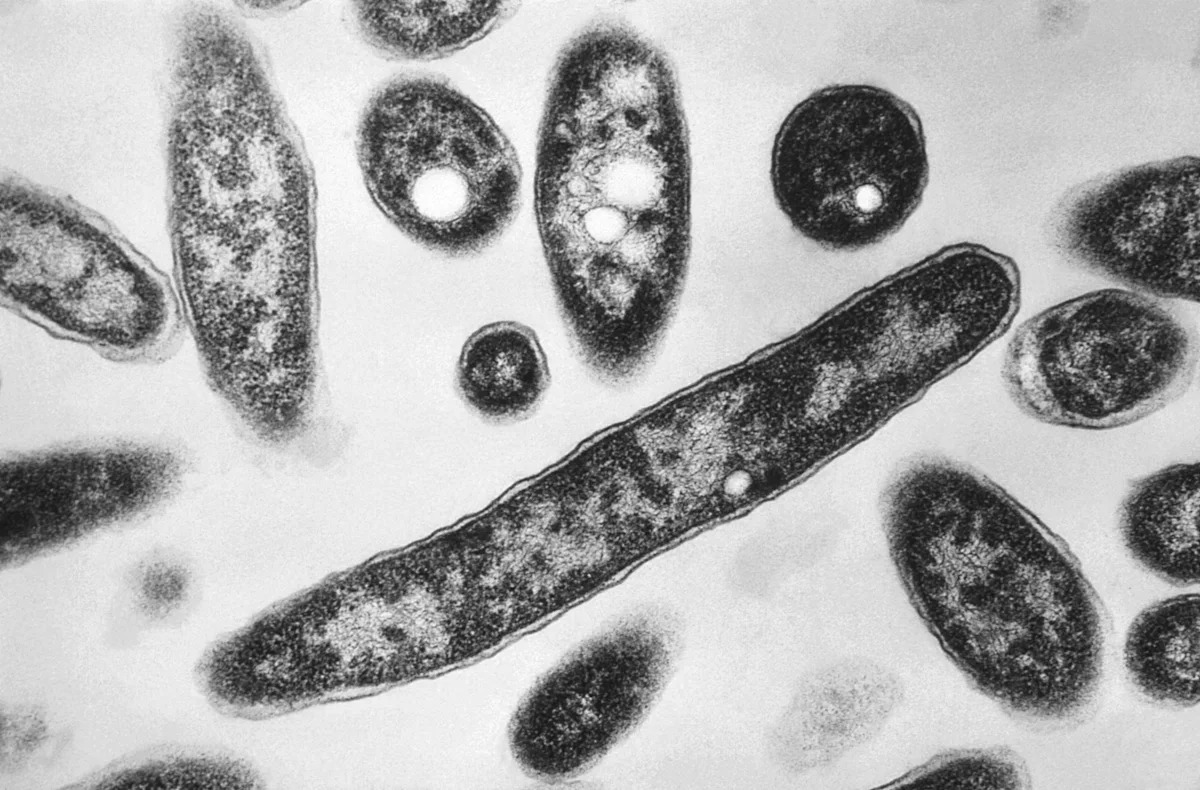
A second person has died in connection with a Legionnaires' disease outbreak on Manhattan's Upper East Side, the New York City Health Department announced Saturday, according to AP News. The outbreak has now infected 72 people and killed two since it began in the neighborhood.
Despite the second death, health officials say new cases are declining sharply. Buildings in the area — including the Metropolitan Museum of Art and the Guggenheim Museum — have cleaned and disinfected their cooling towers, which are believed to be the source of the outbreak, according to NBC News.
Cooling Towers at Iconic Museums Linked to Outbreak
Health officials have focused their investigation on cooling towers — large water systems that sit on top of big buildings and can harbor dangerous bacteria. When the bacteria spreads through the air, people can breathe it in and get sick. Officials ordered property owners to drain and disinfect any tower that tested positive for the bacteria, according to AP News.
The Met and the Guggenheim, two of New York City's most visited museums, were among the Upper East Side buildings that cleaned and disinfected their towers. The quick action by building owners is believed to have helped slow the spread of new cases, according to NBC News.
What Legionnaires' Disease Is and Who It Threatens
Legionnaires' disease is a severe form of pneumonia. It is caused by a type of bacteria called Legionella that grows in warm, stagnant water. People get sick by breathing in tiny water droplets carrying the bacteria — not by touching or drinking the water. It does not spread from person to person.
The disease is most dangerous for older adults, people who smoke, and those with weakened immune systems. Symptoms include high fever, cough, and shortness of breath. Most people who get it need to be treated in a hospital with antibiotics.
New Jersey Outbreak Last Year Killed Seven People
The New York outbreak is not the first to hit the region recently. Last year, a Legionnaires' outbreak in a Harlem neighborhood in New Jersey sickened more than 100 people and killed seven, according to Houston Chronicle.
That outbreak raised alarms about aging water systems and cooling towers in densely populated urban areas. City and state officials across the region have since pushed for stricter inspection rules for large building water systems to prevent future outbreaks.
Cases Declining as Officials Continue Monitoring Buildings
The New York City Health Department said Saturday that the number of new cases is dropping. Officials are continuing to test cooling towers across the Upper East Side. Any tower that tests positive must be shut down, drained, and disinfected before it can be turned back on, according to Newsday.
Health officials urged anyone on the Upper East Side who develops a severe cough, fever, or trouble breathing to see a doctor right away and mention the outbreak. Early treatment with antibiotics is key to surviving the disease.
Sentiment
NeutralNEGATIVENEUTRALPOSITIVE
Publishers
19
Articles
17
Reach
19
A
AnonymousAuthor


