Grubhub Robot Delivery
Serve Robotics Expands Nationwide Robot Delivery with Grubhub, Boosting Growth and Diversification
Key Points
Serve has deployed more than 2,000 robots across the United States, reaching roughly 3 million people and serving over 4,000 restaurants.
At launch, the Grubhub collaboration features Chicago with 100+ participating merchants and Los Angeles with about 200, highlighting the rollout's scale.
Serve CEO Ali Kashani said Uber’s exit will be more than offset by Grubhub volumes and other initiatives, framing the Grubhub deal as a growth engine.
The next-generation Moxi hospital robot, Moxi 2.0, will have 15x faster processing power and introduce a robotic World Model.
Wonder will pursue drone-delivery automation with plans for Texas drones to begin in January, expanding the automation footprint beyond ground robots.
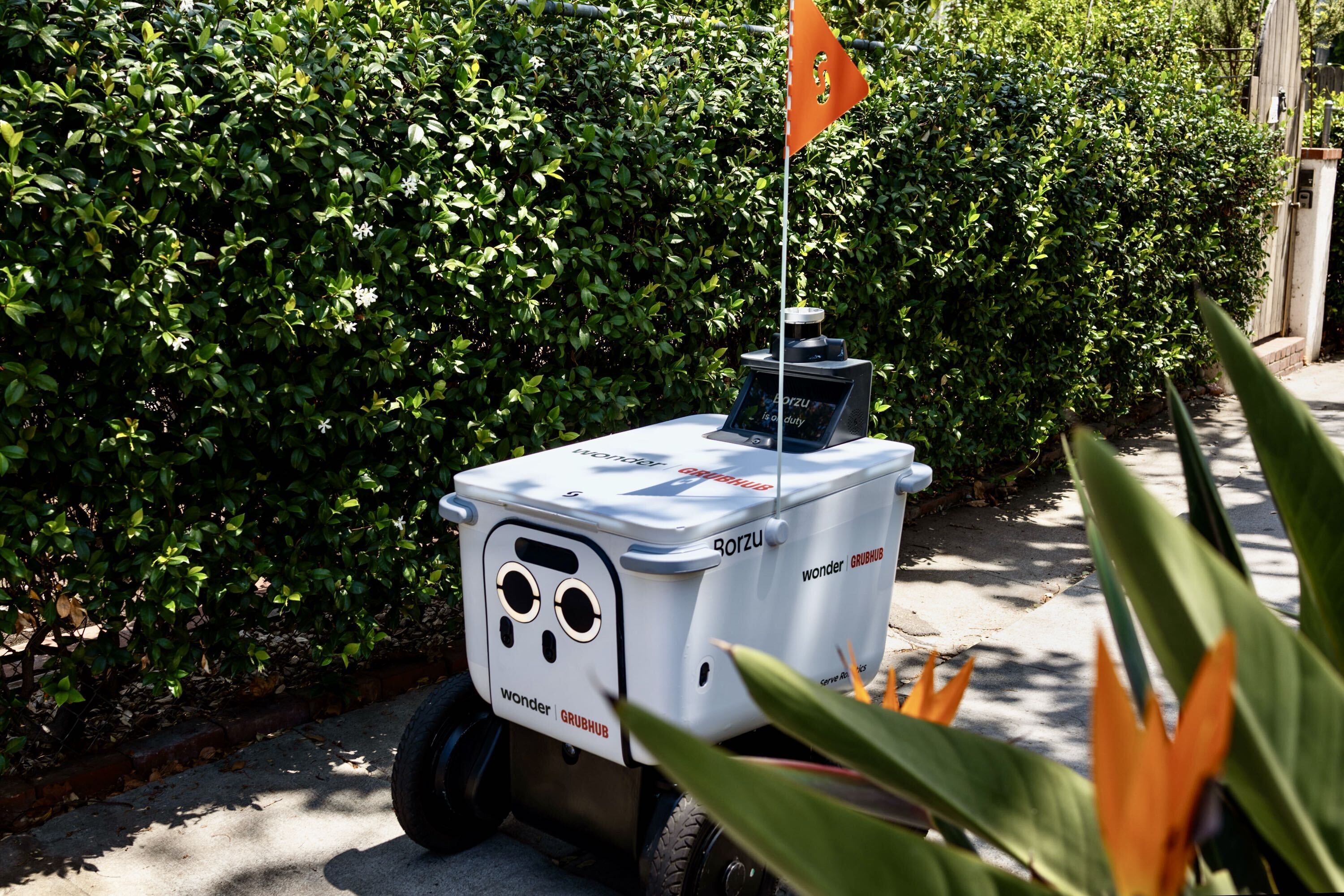
Serve Robotics has struck a deal with Grubhub to deploy its sidewalk delivery robots on the food platform, launching first in Chicago, Los Angeles, and Alexandria, Virginia, according to The Next Web. The move makes Grubhub the third major US delivery platform to use Serve's robots, joining Uber Eats and DoorDash.
The announcement comes as Serve's existing Uber Eats contract is set to end next year. CEO Ali Kashani said Grubhub volumes and other new deals will more than make up for that loss, per Quartz. At launch, Grubhub's rollout includes over 100 merchants in Chicago and about 200 in Los Angeles.
Grubhub Deal Makes Serve the Shared Robot Layer
Serve Robotics spun out of Uber and built its early business on Uber Eats deliveries. Now it is diversifying fast. The Next Web framed the Grubhub partnership as Serve becoming 'the shared robot layer for US food delivery.' That means one fleet of robots serving multiple platforms at once, rather than being locked into one app.
Serve has also launched robot delivery in Washington, DC and San Jose through DoorDash, according to Unite.AI. The company now reaches roughly 8 million people across major US markets and serves over 4,000 restaurants. It has deployed more than 2,000 robots nationwide.
Miami Micro Depots and New Cities Speed Up Rollout
To grow faster without building full infrastructure in each city, Serve is rolling out micro depots in Miami. These are small, local charging and staging hubs for robots. The idea is to cut setup time and costs when entering a new market, Unite.AI reported.
Grubhub's parent company, Wonder, is also pushing automation beyond ground robots. Wonder has plans to launch drone delivery in Texas starting in January, expanding its automation footprint into the air, per Daily Guardian. The combined moves signal a broader bet on machine-run delivery across multiple formats.
Hospital Robots and New Restaurant Tech Round Out Expansion
Serve is not just focused on food delivery. Through its acquisition of Diligent Robotics, it is launching Moxi 2.0, a next-generation hospital robot. The new model will have 15 times faster processing power and a built-in robotic World Model, a system that helps robots understand and navigate complex environments, according to Unite.AI.
Serve also teased two new products tied to its restaurant partnerships. Beacon is a countertop hardware device for restaurants. Characters is an interactive robot-branding service built with Grubhub, letting brands customize how the robots look and behave. Both products open new revenue streams beyond per-delivery fees, WKZO noted.
CEO Calls Uber Exit a Growth Opportunity, Not a Setback
Some investors worried when Uber Eats signaled it would not renew its Serve contract next year. Kashani pushed back hard. He framed the Grubhub deal as a growth engine that, combined with DoorDash and new markets, will more than replace lost Uber Eats volume, according to Quartz.
The strategy is a pivot toward what Kashani called scalable robot-based delivery with diversified revenue. Rather than relying on one platform, Serve now splits its robot fleet across three major apps while adding healthcare robotics and in-house branding as parallel businesses. The company is betting that no single partner exit can derail it again.
Sentiment
Mostly NegativePublishers
11
Articles
47
Reach
58


