Politics Aside for Fourth
New Poll Finds Most Americans Willing to Set Aside Political Views for July Fourth Festivities
Anonymous
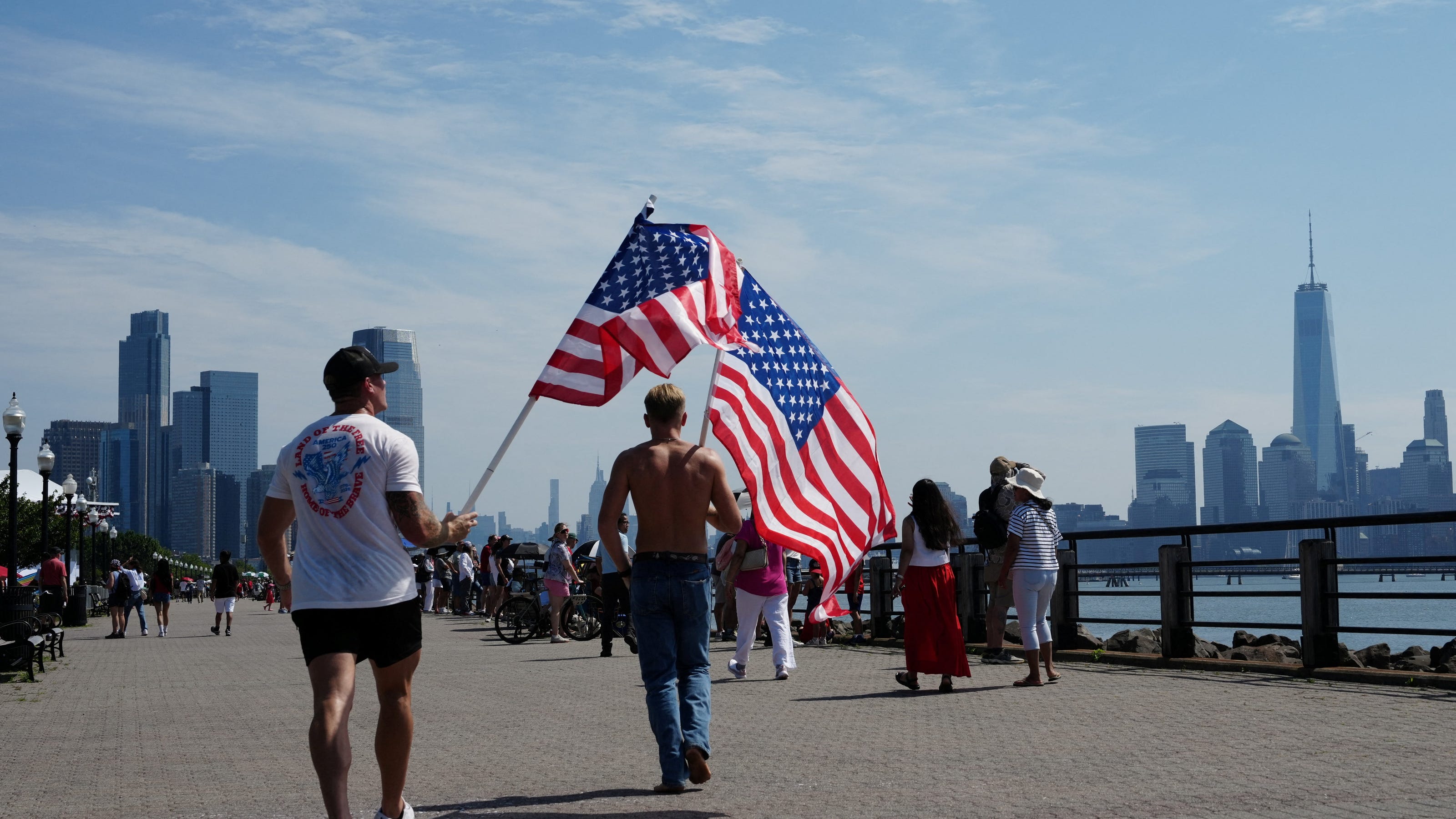
Nearly 8 in 10 Americans say they would set politics aside to attend a July Fourth party with someone whose views sharply differ from their own, according to a new NBC News poll USA Today. The survey offers a rare bright spot in an era of deep political division — suggesting most Americans can still share a backyard even when they disagree sharply at the ballot box.
The poll, sponsored by More Perfect — a nonpartisan nonprofit focused on strengthening democracy — surveyed 3,000 adults nationwide Indy Star. It was conducted jointly by Democratic pollster Jeff Horwitt and Republican pollster Bill McInturff.
Americans Will Party Together But Not Live Together
The willingness to socialize across party lines has a clear limit: the front door. While 80% of Americans would attend a July Fourth cookout with a political opposite, only 47% said they would marry or live with someone holding sharply different political views Naples News. A majority — 51% — said they would not. That gap reveals how Americans draw a line between casual socializing and deep personal commitment.
The findings suggest that Americans are more comfortable with short-term political tolerance than long-term political partnership. Sharing a burger is one thing. Sharing a life is another.
Republicans and Democrats Both Open to Talking Politics
The poll also found broad openness to actual political conversation across party lines. Seventy-nine percent of Republicans said they were willing to discuss politics with someone who holds very different views Herald Tribune. Democrats were close behind, with 75% saying the same. That is a rare area of agreement in today's divided political climate.
The numbers push back against the idea that Americans are locked in total political silence with the other side. Most people, it turns out, are willing to talk — even if they strongly disagree.
More Perfect Poll Aims to Measure Democracy's Social Glue
The poll was commissioned by More Perfect, a group that works to strengthen democratic culture in the U.S. JSON Online. By pairing a Democratic and Republican pollster, the group wanted to show that measuring public opinion itself can model bipartisan cooperation. The July Fourth timing was deliberate — the holiday is a shared symbol that cuts across party lines.
More Perfect's focus is not just on elections or policy. It looks at the social fabric that holds democracy together — things like whether neighbors can still talk to each other. This poll suggests that fabric, while frayed, has not fully torn.
What the Numbers Say About Political Polarization in 2025
Polling experts say findings like these matter because they reveal a gap between how divided Americans feel and how divided they actually act day to day Palm Beach Post. Political identities have hardened in recent years, but most Americans still live, work, and socialize outside pure partisan bubbles. The July Fourth poll captures that tension in sharp relief.
The takeaway from the data is nuanced. Americans are not as tribally isolated as political media often suggests. But when it comes to the most personal choices — like who to share a home with — political identity clearly weighs heavily on decisions Telegram. The cookout, it seems, is easier to share than the couch.
Sentiment
NeutralNEGATIVENEUTRALPOSITIVE
Publishers
10
Articles
9
Reach
10
Topics
A
AnonymousAuthor


