Political Elite-Public Divide
Rasmussen Survey Reveals Ideological Divide Between Political Elite and American Public
Anonymous
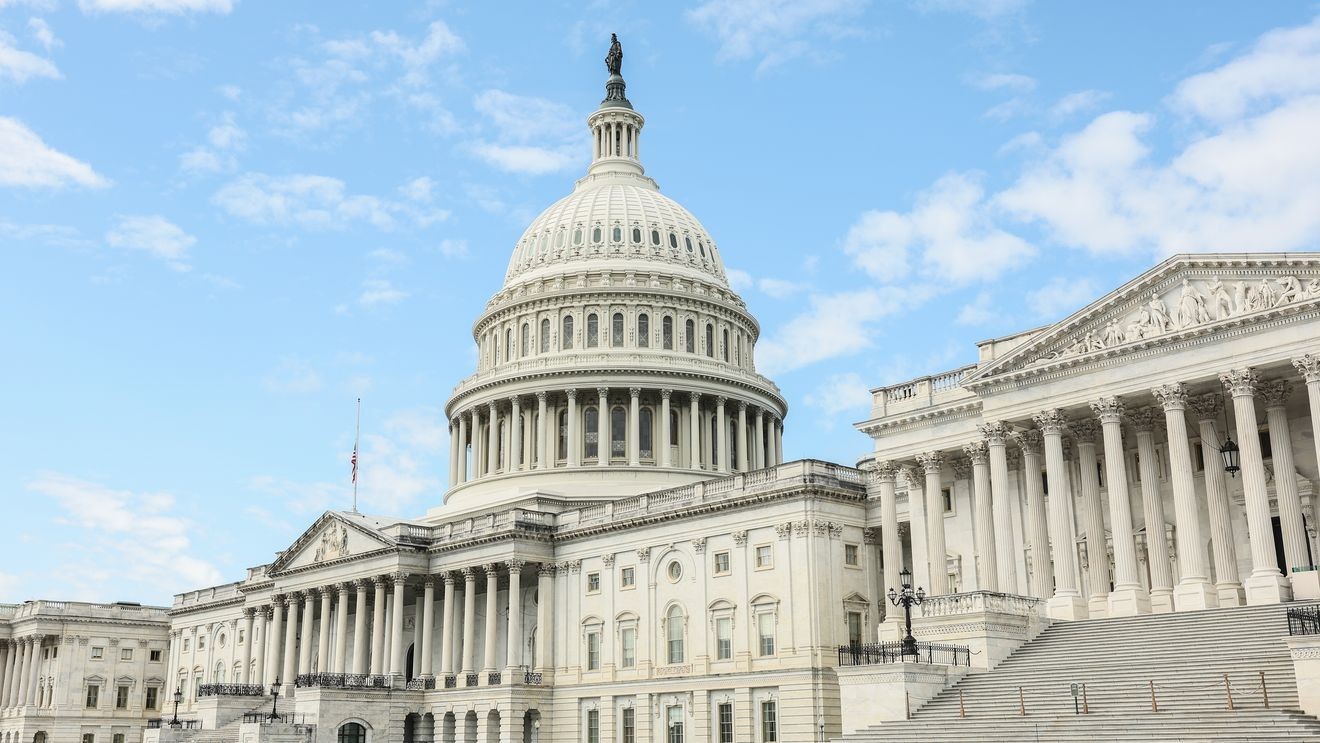
A new survey by researcher Scott Rasmussen claims America's most politically powerful "elite 1%" looks very different from the rest of the country — and wants very different things. The study found that 73% of this group identifies as Democrats, 86% are white, and nearly half support policies tied to Sen. Bernie Sanders, according to News Channel 9.
The findings have reignited a long-running debate about who really holds power in U.S. politics. Rasmussen argues this elite class has views that break sharply from mainstream American opinion — especially on the role of government, according to KOMO News.
Who Rasmussen Calls the 'Elite 1%'
Rasmussen defined the "elite 1%" as Americans who hold significant political influence — think senior staffers, donors, media figures, and policy insiders. His survey focused on this narrow group and compared their views to the broader public. The gap he found was striking, according to Fox 17.
Nearly three in four respondents in this group — 73% — identify as Democrats. That compares to a country that is roughly split between the two parties. The group is also overwhelmingly white, at 86%, and leans sharply left on economic policy, per ABC 45.
Elite Insiders Back Government Over Public Opinion
One of the study's sharpest findings: members of this elite group are more likely to support government officials acting even when the public disagrees. In other words, they trust the government to know better than the voters, according to Fox San Antonio.
Rasmussen also found that many in this elite group believe most Americans still trust government institutions. That belief clashes with years of polling showing public trust in government near historic lows. The disconnect suggests the elite may be out of touch with everyday sentiment, per Local 12.
Sanders-Style Policies Find Support Among the Powerful
Close to half of the elite group surveyed supports policies closely tied to Sen. Bernie Sanders. That includes things like expanded government programs and higher taxes on the wealthy. These are positions that poll more modestly with the general public, according to KATV.
This alignment with the left wing of the Democratic Party is notable because this group holds real influence over policy and media narratives. Rasmussen argues that understanding this gap is key to understanding why government often moves in directions the public did not ask for, per Bakersfield Now.
Survey Renews Old Fight Over Elite Power in America
The debate over elite influence in politics is nothing new. But Rasmussen's survey adds fresh data to an argument that has grown louder in recent years. Critics of the political class say a small group of insiders shapes policy while claiming to speak for the public, according to Turn to 10.
Rasmussen's work does not settle that debate, but it gives both sides new numbers to fight over. The survey's core claim — that the elite 1% is mostly white, mostly Democratic, and mostly comfortable with government power — is likely to fuel more discussion about who America's political system really serves, per WGME.
Sentiment
NeutralNEGATIVENEUTRALPOSITIVE
Publishers
20
Articles
19
Reach
20
A
AnonymousAuthor


