Bernanke Strengthens AI Governance
Former Fed Chair Bernanke Joins Anthropic's Independent AI Governance Body
Anonymous
Key Points
1
The Long-Term Benefit Trust not only advises Anthropic but also holds power to appoint and dismiss a majority of the startup’s board members, giving the independent body substantial governance leverage.
2
Trust participants are compensated solely for their service and do not own any equity in Anthropic, reinforcing independence from investors or management.
3
Bernanke will sit alongside other trustees — Neil Buddy Shah, Richard Fontaine and Mariano-Florentino Cuellar — who are independently selected for diverse expertise.
4
Anthropic is described as a public-benefit corporation with a mission to ensure AI delivers broad societal benefits, linking governance to a public mission beyond profitability.
5
Bernanke framed AI governance as critical, noting that 'the potential of artificial intelligence is enormous, and so is the range of outcomes. How that potential plays out will depend, in part, on the institutions we build around it,' reflecting a macroeconomic lens on AI’s trajectory.
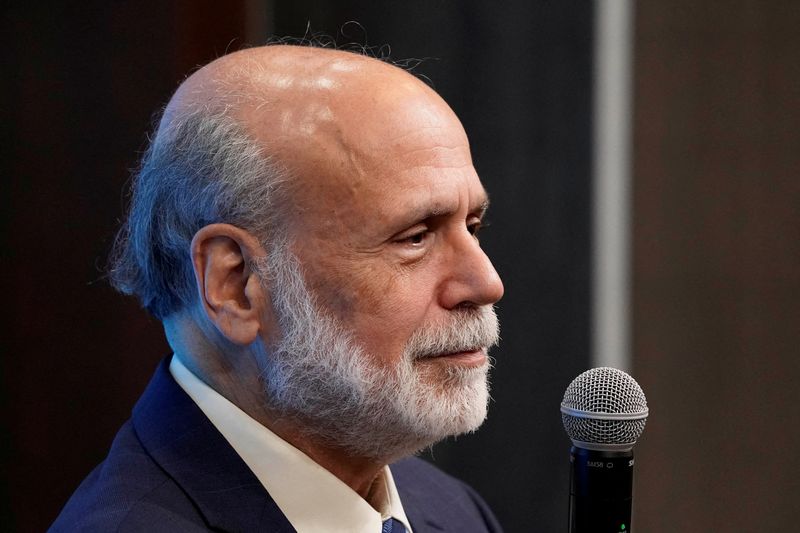
Anthropic has appointed former Federal Reserve chair Ben Bernanke to its Long-Term Benefit Trust, the independent governance body that can hire and fire a majority of the company's board members, according to The Next Web. Bernanke, who led the Fed through the 2008 financial crisis and won the 2022 Nobel Prize in Economics, becomes the latest addition to a trust designed to keep Anthropic's AI mission on track for decades.
The move signals that Anthropic is leaning on macroeconomic expertise to guide how artificial intelligence develops over the long term. Bernanke said the stakes are high: 'The potential of artificial intelligence is enormous, and so is the range of outcomes. How that potential plays out will depend, in part, on the institutions we build around it.'
A Trust With Real Power Over Anthropic's Board
The Long-Term Benefit Trust is not just an advisory panel. It holds direct power to appoint and remove a majority of Anthropic's board members, according to WSAU. That gives it meaningful leverage over the company's direction — far more than a typical advisory committee.
Trust members are paid for their service but hold zero equity in Anthropic. No stock, no financial stake. That structure is meant to keep the trust fully independent from both investors and management, according to Win Country. The goal is to make sure decisions serve the public — not just shareholders.
Bernanke Joins a Carefully Chosen Group of Trustees
Bernanke joins three other sitting trustees: Neil Buddy Shah, Richard Fontaine, and Mariano-Florentino Cuellar, according to WMBD Radio. Each was selected for distinct expertise. The trust is designed to represent a wide range of knowledge — not just tech insiders.
Bernanke's background sets him apart. He spent years studying what causes financial systems to collapse — work that earned him the Nobel Prize. Anthropic is betting that same analytical lens can help shape how a powerful new technology gets governed before problems arise.
Anthropic's Public-Benefit Mission Drives the Structure
Anthropic is structured as a public-benefit corporation. That means its legal mission goes beyond making money — it must show that its work benefits society broadly. The Long-Term Benefit Trust is the mechanism meant to hold the company to that promise, according to Win Country.
The trust's core job is to make sure AI benefits spread widely over decades — not just to Anthropic's investors or customers. Adding an economist who studied systemic financial risk fits that long-term thinking. Bernanke knows firsthand what happens when powerful systems lack proper guardrails.
AI Governance Moves to the Center of the Industry Debate
Governance structures like Anthropic's trust are getting more attention across the AI industry. As AI systems grow more capable, regulators and the public are asking who is watching the watchmen. Independent oversight bodies are one answer companies are testing, according to Yahoo News.
Anthropic's approach is still rare. Most AI companies rely on internal teams or standard corporate boards. By giving an outside trust actual board-level power, Anthropic is making a structural bet: that independent voices will make better long-term decisions than those with a financial stake in the outcome.
Sentiment
Mostly PositiveNEGATIVENEUTRALPOSITIVE
Publishers
14
Articles
76
Reach
90
A
AnonymousAuthor


