Iran Nuclear Site Construction
Satellite Imagery Shows Major Construction Surge at Iran Pickaxe Mountain Nuclear Site
Anonymous
Key Points
1
The Pickaxe Mountain site is located about 140 miles south of Tehran, near Iran’s Natanz nuclear complex.
2
CSIS says the facility could eventually serve not only as a centrifuge assembly or enrichment site, but also as a location for other nuclear-weapons-relevant activities, including uranium-metal conversion.
3
The site was not targeted during the previous U.S. bombing of Natanz or during the current war, according to the Times of Israel as cited by IBTimes.
4
President Donald Trump has publicly threatened an imminent attack, saying, “We may hit Pickaxe very soon,” and claiming that U.S. intelligence knows “everything that is going on there.”
5
IAEA Director General Rafael Grossi said Iran stated in 2021 that it intended to “have nuclear activity” at the mountain site, providing earlier context for international concern about Pickaxe Mountain.
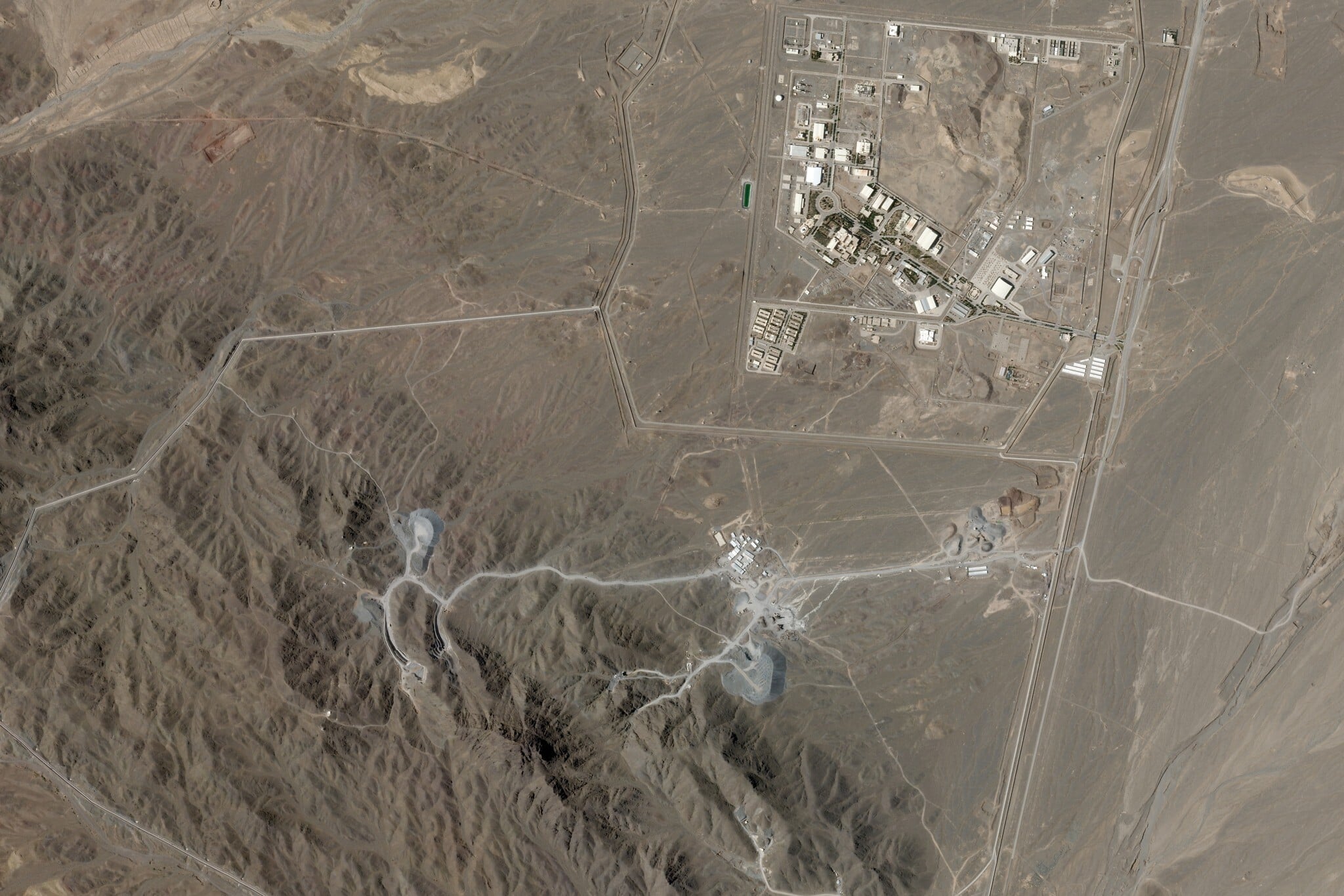
Satellite imagery shows a sharp surge in construction at Iran's Pickaxe Mountain site in 2026, a suspected nuclear facility buried beneath granite about 140 miles south of Tehran. CSIS analysts say work has shifted from excavation to internal construction, hardened tunnel entrances, and reinforced access roads—but the imagery cannot confirm whether centrifuges have been moved there or enrichment has begun.
President Donald Trump has publicly threatened an imminent attack, saying the U.S. will "hit Pickaxe very soon" and claiming intelligence knows "everything that is going on there." The deep burial makes the site difficult to destroy with existing weapons, and U.S. officials are reportedly exploring classified methods for striking deeply buried facilities.
Construction Shifts From Digging to Hardening
CSIS analysts found a "clear surge" in construction activity at Pickaxe Mountain in 2026. The work pattern changed from initial excavation to internal construction, paved roads, and exterior reinforcement. Hardened tunnel entrances and strengthened access areas now dominate the site. Excavated material has been removed, suggesting preparation for operations.
However, the site does not yet appear ready for uranium enrichment. No visible indicators of heightened security or specialized equipment are present. CSIS analysts caution that construction remains ongoing and more development is needed before the facility could support centrifuge assembly or enrichment activities.
Trump Threatens Imminent Military Strike
President Trump has signaled a rapid escalation timeline. He declared that the U.S. "may hit Pickaxe very soon" and asserted that American intelligence knows "everything that is going on there." This public threat raises pressure on both Iran and U.S. allies to respond to the underground construction surge.
The timing matters because the site was not targeted during previous U.S. bombing campaigns at Natanz or during the current war. Times of Israel, as cited by IBTimes, reported that Pickaxe Mountain has remained untouched by military action so far, giving Iran time to advance construction.
Deep Underground Design Defeats Conventional Weapons
Pickaxe Mountain's location beneath granite makes it extremely difficult to strike with existing non-nuclear bunker-busting weapons. The deep burial creates a time advantage for Iran. Equipment and expertise remain protected while adversaries develop specialized penetrators or explore sabotage alternatives. U.S. defense agencies are reportedly testing new capabilities for striking deeply buried targets.
Iran's 2021 statement to the IAEA that it intended to have "nuclear activity" at the mountain site provides earlier context for concern. IAEA Director General Rafael Grossi cited this intention, establishing a long-term Iranian interest in the facility. The underground design protects whatever purpose Iran intends—whether assembly, enrichment, or weapons-relevant activities.
Multiple Nuclear Roles Could Emerge Over Time
CSIS analysts say Pickaxe Mountain could eventually support centrifuge assembly, uranium enrichment, uranium-metal conversion, or other weapons-relevant nuclear activities. The facility does not need to perform enrichment today to pose a long-term strategic threat. A protected site can shorten future breakout timelines and shelter equipment from attack.
Current satellite imagery supports possible nuclear relevance but does not reveal the facility's definitive function. Analysts emphasize the gap between construction activity and confirmed operational status. Whether enrichment has begun remains unknown—making the construction surge significant as a signal of Iranian intent rather than proof of active enrichment.
Sentiment
Mostly NegativeNEGATIVENEUTRALPOSITIVE
Publishers
13
Articles
28
Reach
41
A
AnonymousAuthor


