Europe's Electric Aviation Pioneer
Loganair Targets Europe's First All-Electric Fleet, Acquiring Five BETA Aircraft for 2029 Service
Anonymous
Key Points
1
During the March operational demonstration, the CX300 completed 23 flights totaling more than 1,000 nautical miles across Glasgow, Dundee, Aberdeen, Inverness, Wick and Kirkwall, validating ground handling, airspace integration and BETA’s fast-charging system.
2
Loganair CEO Luke Farajallah described the demonstration as proof that electric aviation is a viable commercial opportunity, citing potential operating cost reductions of up to 80%.
3
The term sheet includes technical support and fleet integration planning to manage the transition and associated risks.
4
Loganair is the UK's largest regional carrier, underscoring the potential impact of an all-electric fleet on remote island connectivity across Scotland and the UK.
5
The Farnborough International Airshow announcement on July 20 highlighted a broader push toward low-emission, cost-efficient regional travel.
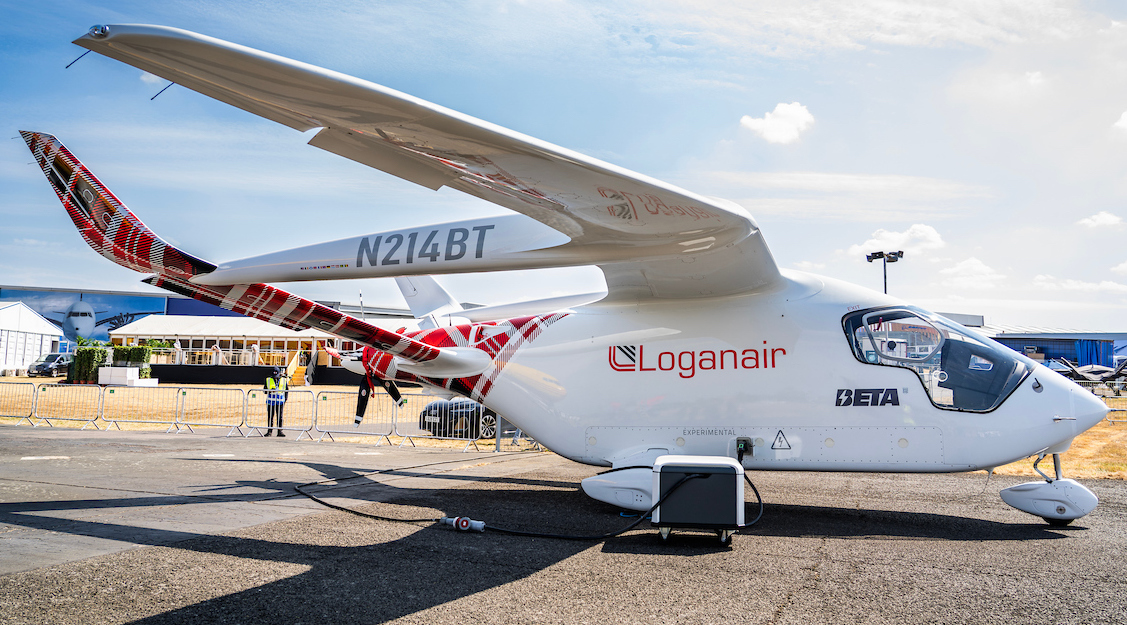
Loganair has signed a deal to buy five all-electric aircraft, putting the UK's largest regional carrier on track to become Europe's first commercial airline to fly an all-electric fleet, according to Herald Scotland. The planes, built by American firm BETA Technologies, are expected to enter service in 2029 on short-haul routes across Scotland and the UK.
The agreement, announced at the Farnborough International Airshow on July 20, covers five ALIA CX300 aircraft with options for five more, per Aviation Business News. The deal also includes technical support and fleet integration planning to help manage the transition.
Scotland's Skies Could Go Electric by 2029
Loganair CEO Luke Farajallah called the move proof that electric aviation is a real commercial opportunity. He said the airline could cut direct operating costs by up to 80% by switching to electric planes. Loganair flies mostly short routes — the majority under 100 miles — connecting remote island and highland communities across Scotland.
Shetland News described the deal as a "historic moment" for regional aviation. The CX300 is a conventional takeoff and landing aircraft, meaning it uses standard runways. That makes it easier to fit into Loganair's existing network without major airport changes.
March Test Flights Logged Over 1,000 Nautical Miles
Before the deal was signed, BETA's CX300 completed an operational demonstration in March. The aircraft flew 23 flights covering more than 1,000 nautical miles. It visited Glasgow, Dundee, Aberdeen, Inverness, Wick, and Kirkwall — key stops on Loganair's network.
The flights tested ground handling, airspace integration, and BETA's fast-charging system. The charger works with existing airport infrastructure, so airlines do not need to build new power systems from scratch. That lowers the cost and complexity of switching to electric planes.
On-Runway Charging Cuts Costs Without Rebuilding Airports
One of the CX300's key selling points is its ability to charge on the runway between flights. BETA's system plugs into infrastructure already found at most regional airports. This avoids the expensive upgrades that have slowed electric vehicle adoption in other transport sectors.
We Love Stornoway noted that the move is a significant step toward bringing sustainable aviation to remote UK communities. For islands like Orkney and Shetland, air links are not a luxury — they are a lifeline. Electric planes could keep those routes running at lower cost.
Deal Sets a Blueprint for Electric Aviation Across Europe
If the purchase goes ahead, Loganair will be the first commercial airline in Europe to operate an all-electric fleet, according to Herald Scotland. That milestone could push other regional carriers to follow. Short-haul routes are the most practical starting point for electric aviation because battery range is still limited.
Guru Focus noted the deal fits a growing trend toward sustainable aviation. BETA Technologies, based in the US, is now targeting European entry through this partnership. The 2029 service target gives both sides roughly four years to complete certification, training, and infrastructure work before the first passenger boards.
Sentiment
Mostly PositiveNEGATIVENEUTRALPOSITIVE
Publishers
11
Articles
9
Reach
20
A
AnonymousAuthor


