Global Oil Supply Threat
Saudi Pipeline Shutdown Threatens Global Oil Supplies as Brent Crude Surpasses $109
Anonymous
Key Points
1
The 1,200-kilometer pipeline connects Gulf-area processing facilities to Yanbu, from where tankers can head north toward Europe through the Suez Canal or south toward Asia via the Bab el-Mandeb Strait.
2
The East-West pipeline was built in the 1980s amid concerns that Iran could disrupt shipping through the Strait of Hormuz during the Iran-Iraq war; it has a total capacity of up to 7 million barrels per day.
3
The Houthis claimed their separate attack involved dozens of drones and missiles aimed at a military airbase in southern Saudi Arabia, including ammunition depots, runways, radar systems and aircraft hangars; the group said it was retaliation for recent Saudi airstrikes in Yemen.
4
U.S. Energy Secretary Chris Wright said ships were increasingly crossing the Strait of Hormuz covertly with U.S. support, although independent monitors indicated that oil flows may have fallen after fighting intensified again.
5
Aramco, the Saudi state oil company operating the pipeline, did not immediately respond to a request for comment on the disruption.
Saudi Arabia has shut its East-West oil pipeline after a drone attack it attributed to Iranian-backed militias in Iraq, threatening to cut off roughly 4% of global oil supplies. Repairs to damage at a major pumping facility could take three to five weeks, according to Yahoo Finance, though the pipeline may operate at partial capacity during that time. Oil prices surged in response, with Brent crude climbing above $109 a barrel and U.S. diesel prices hitting a record average above $6.23 per gallon.
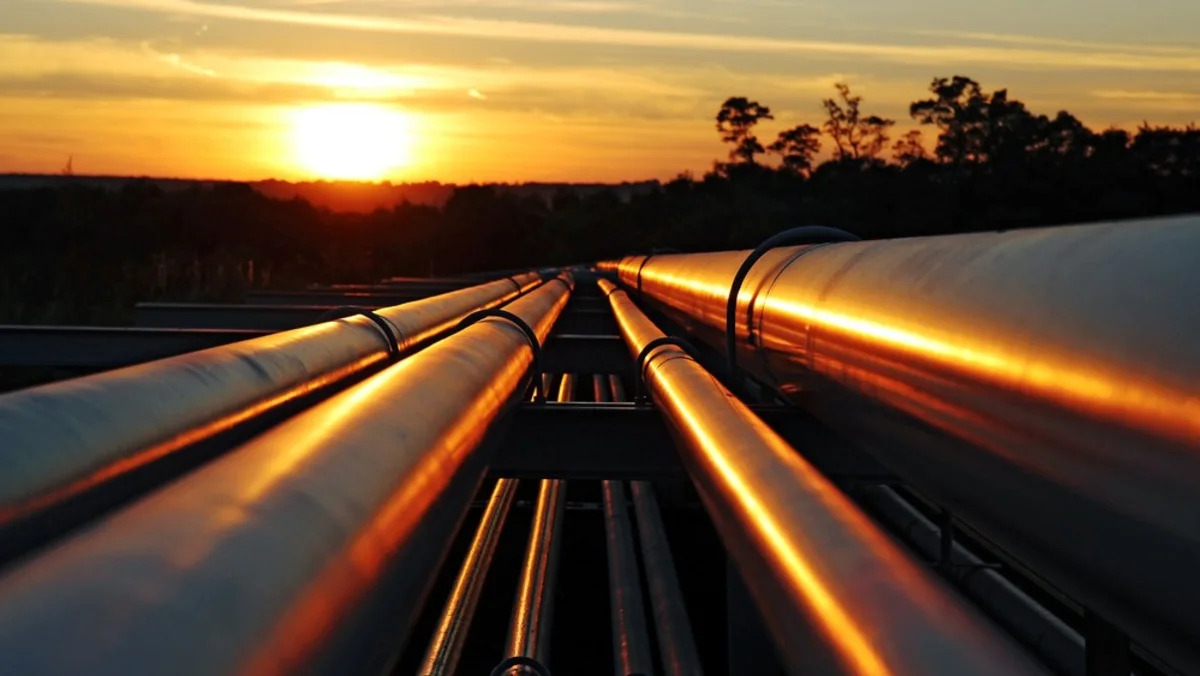
The 1,200-kilometer pipeline normally carries 2.6 to 4 million barrels per day from Saudi Gulf fields to the Red Sea port of Yanbu, bypassing the Strait of Hormuz where Iran-backed groups have already disrupted shipping. The shutdown compounds an energy crisis already triggered by the broader Iran conflict, leaving global fuel markets facing prolonged pressure.
A Pipeline Built to Avoid Iran's Chokehold
Saudi Arabia constructed the East-West pipeline in the 1980s during the Iran-Iraq war as insurance against Iran shutting down the Strait of Hormuz, which carries roughly one-third of the world's seaborne oil. The pipeline can carry up to 7 million barrels per day total capacity, though it typically moves 2.6 to 4 million daily. It connects Gulf-area processing facilities to Yanbu, where tankers can sail north through the Suez Canal toward Europe or south toward Asia.
By routing around Hormuz, the pipeline has given Saudi Arabia a cushion against Middle East instability for four decades. But now both routes face threats — Hormuz from the Iran war, and the Red Sea path from Houthi attacks on shipping and military targets.
Houthis Strike Saudi Military Targets Across the South
The Houthis, the Iranian-backed militia group based in Yemen, claimed responsibility for a separate barrage of attacks on Saudi Arabia, saying they launched dozens of drones and missiles at a military airbase in southern Saudi Arabia. Their targets included ammunition depots, runways, radar systems, and aircraft hangars, the group said. The militia framed the assault as retaliation for recent Saudi airstrikes in Yemen.
These attacks add another layer of pressure on Saudi exports and global fuel supplies. With both the East-West pipeline offline and Red Sea shipping routes under threat from Houthi militias, global oil markets face a tightening squeeze that could persist for weeks or longer.
U.S. Pushing Secret Oil Shipments Through Hormuz
Despite the Iran war and Houthi attacks, U.S. Energy Secretary Chris Wright said ships are increasingly crossing the Strait of Hormuz covertly with American support, suggesting ongoing efforts to maintain some oil flow through the waterway. However, independent monitors reported that actual oil flows may have dropped after fighting intensified again, undercutting Wright's account.
The gap between official rhetoric and observable data highlights the real challenge facing global energy markets. Even if some tankers slip through Hormuz, the closure of the East-West pipeline removes a major safety valve. With repairs taking three to five weeks minimum, oil prices are likely to stay elevated and diesel remains near record highs.
Saudi Oil Company Silent on Repair Timeline and Strategy
Aramco, the Saudi state oil company operating the East-West pipeline, has not responded to requests for comment on the disruption or provided details about repair progress. This silence leaves markets guessing about when the pipeline might return to full or partial operation, adding uncertainty to global crude pricing.
Red Sea exports are now dependent on stored crude at Yanbu while repairs continue, according to Streamline Feed. The combination of the pipeline shutdown, ongoing Hormuz instability, and rising tensions across the Middle East could keep oil and diesel prices under sustained upward pressure through March and beyond.
Sentiment
Mostly NegativeNEGATIVENEUTRALPOSITIVE
Publishers
23
Articles
192
Reach
215
A
AnonymousAuthor


