Global Oil Disruption
Global oil prices climb amidst heightened Mideast tensions and Black Sea pipeline disruptions.
Anonymous
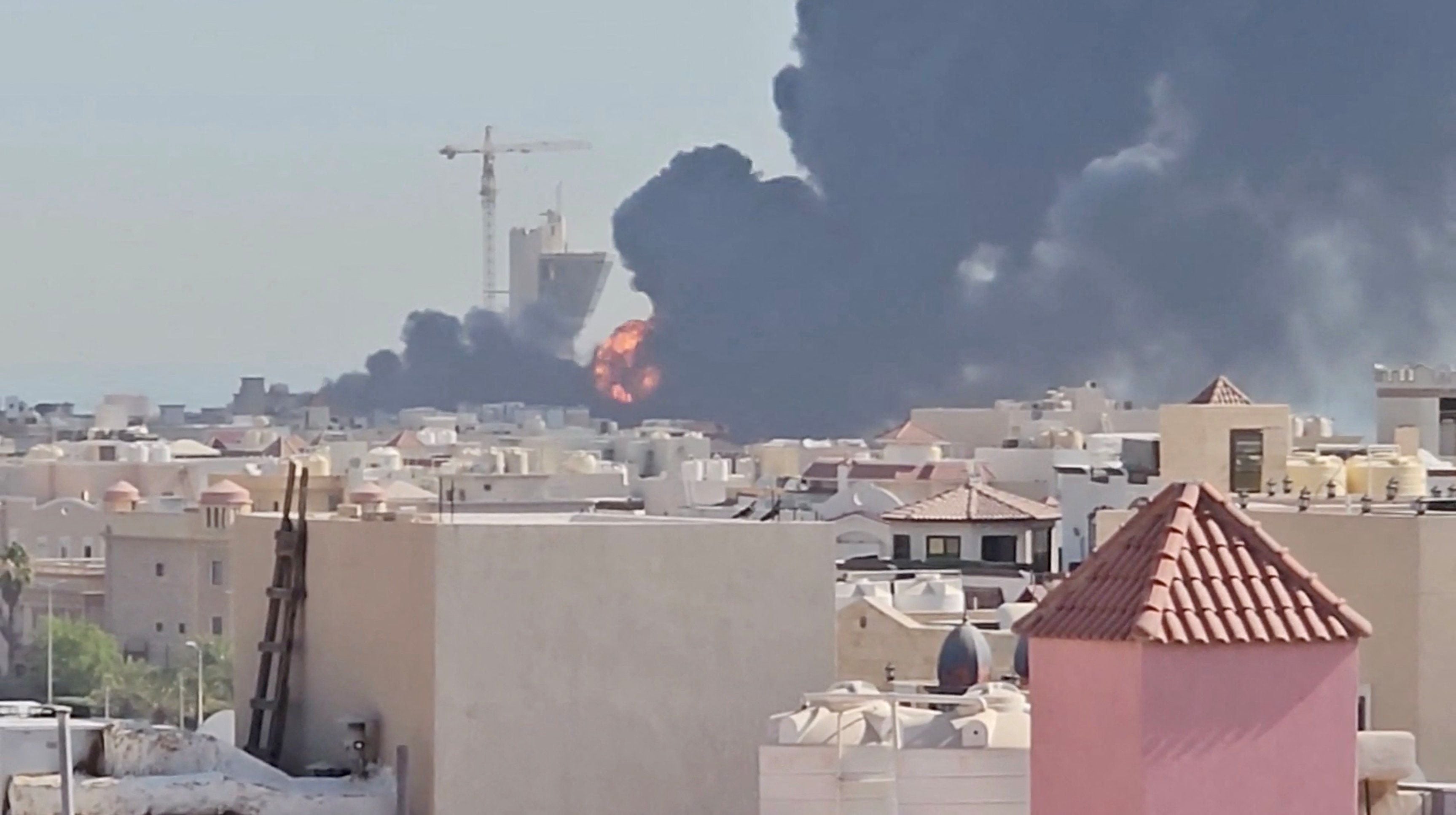
Oil prices climbed for a second day as fresh fears over Middle East supply disruptions rattled energy markets. Brent crude futures rose $1, or 1.1%, to $92.01 a barrel, while U.S. West Texas Intermediate gained 82 cents to $85.16, according to Market Screener.
The gains came as U.S. forces struck Iranian military targets for the 11th straight night. At the same time, oil tankers made sudden U-turns in the Red Sea after warnings from Iran-backed Houthi militia, raising alarm about the safety of one of the world's busiest shipping lanes.
11 Nights of U.S. Strikes Keep Markets on Edge
U.S. forces have now attacked Iranian military targets on 11 consecutive nights. Each new strike adds to fears that the conflict could spiral. Traders worry that a wider war could choke off oil flows from the Persian Gulf, a region that pumps a large share of the world's crude supply, Macon reported.
Markets are especially sensitive to any sign that Iran could retaliate by blocking key oil transit routes. The longer the strikes continue, the harder it becomes for traders to price in the risk. That uncertainty is pushing prices higher each day.
Tankers U-Turn as Houthi Threat Grows in Red Sea
Oil tankers reversed course in the Red Sea after Iran-backed Houthi militia issued fresh warnings to shipping. The Red Sea is a critical route for global oil trade. Any sustained disruption there forces tankers onto longer, costlier routes around Africa, according to The State.
The Houthis have carried out repeated attacks on commercial ships since late 2023. Their latest warnings appear to have been enough to spook tanker operators into immediate action. Even brief disruptions can tighten global supply and push prices up fast, Myrtle Beach Online noted.
Ukrainian Drone Attacks Cut Kazakhstan Oil Pipeline Flow
A second supply shock hit markets from a different direction. The Caspian Pipeline Consortium, which moves oil from Kazakhstan to the Black Sea for export, stopped taking in new oil. The reason: drone attacks on oil tankers at its Black Sea terminal, blamed on Ukraine, according to Mod Bee.
Kazakhstan is a major oil producer. Losing that export route, even temporarily, removes a meaningful volume of crude from global markets. With Middle East flows already at risk, any additional supply cut adds fuel to the price rally traders are already watching unfold.
Why $92 Brent Matters for the Global Economy
Brent crude at $92 a barrel is a level that starts to squeeze consumers and businesses. Higher oil prices feed directly into the cost of fuel, shipping, and manufacturing. Central banks that have been fighting inflation may find their job gets harder if energy prices keep climbing, Market Screener noted.
Analysts are watching whether the U.S. strikes on Iran escalate further or wind down. If the situation stays hot, $92 may not be the ceiling. But if tensions ease, prices could pull back quickly. For now, traders are choosing caution — and paying up for oil as a result.
Sentiment
NeutralNEGATIVENEUTRALPOSITIVE
Publishers
7
Articles
6
Reach
7
Topics
A
AnonymousAuthor


