Cuba's Future Transformation
Secretary Rubio Predicts Irreversible Change for Cuba by End of Trump Administration, Citing Gradual Transition
Key Points
The 2026 push against the Cuban regime has involved more than two dozen actions, including sanctions on over 40 entities and at least 38 individuals.
Rubio’s Axios interview on August 7 revealed the strategy to “close every escape mechanism” of the Cuban government as part of the administration’s pressure campaign.
A TASS report specifies Rubio said Cuba would be on an irreversible path to a very different future by January 2029, aligning with the end of Trump’s current term.
The remarks were framed in the context of the Maduro capture in Venezuela on January 3, 2026, with questions about whether Cuba would be next.
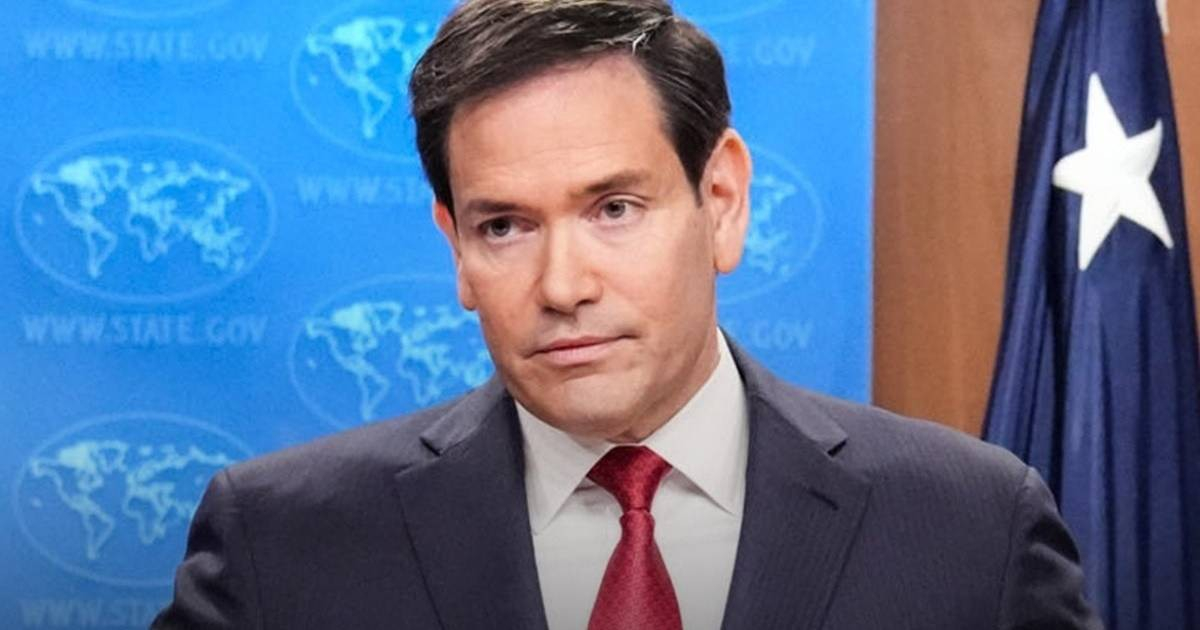
U.S. Secretary of State Marco Rubio says Cuba will be on an "irreversible path toward a very different future" before Donald Trump's term ends in January 2029. CiberCuba reported Rubio made clear the change will not happen "overnight," comparing it to the multi-year democratic transitions seen in Eastern Europe after communism fell.
The comments reinforce a major U.S. pressure campaign against Havana. According to Cuba Headlines, the administration has already taken more than two dozen actions against the Cuban regime in 2026, including sanctions on over 40 entities and at least 38 individuals.
Rubio Sets a 2029 Deadline for Cuba's Transformation
Rubio was specific about the timeline. Demócrata reported he said Cuba would be on an irreversible path by January 2029 — the end of Trump's current term. He did not promise a finished transition by then. He promised the process would be locked in and impossible to reverse.
To explain what that looks like, Rubio pointed to Poland. After communism ended there, Poland did not change in a single day. It took years. Rubio said Cuba's shift would follow a similar arc — slow at first, then permanent. CiberCuba noted he framed this as a realistic, managed process rather than a sudden collapse.
Closing Every Escape Route for the Cuban Regime
Rubio's strategy goes beyond rhetoric. In an August 7 interview with Axios, he described the goal as closing "every escape mechanism" available to the Cuban government. That means cutting off money, allies, and options — one by one.
Cuba Headlines reported the 2026 pressure campaign has included sanctions on more than 40 entities and 38 individuals tied to the regime. The actions target financial lifelines and officials who prop up the government in Havana. Rubio has called Cuba a national security priority — not just a political cause.
Venezuela's Fall Puts Cuba in the Spotlight
The remarks came in the shadow of a major regional event. On January 3, 2026, Venezuelan leader Nicolás Maduro was captured. That immediately raised a question Rubio had to answer: Is Cuba next? He did not say yes. But he did not say no either.
CiberCuba reported Rubio linked both countries in his policy thinking. He said his personal Cuban heritage does not drive the strategy. What drives it is U.S. interest in a stable, safe Cuba. The same logic, he said, applies to Venezuela. The message: this is not personal — it is strategic.
Rubio Says Cuba "Has to Change" — No Matter What
Rubio has repeated one line across multiple interviews and forums: Cuba "has to change." Cuba Headlines reported he made this case at the State Department's Katie Miller Pod, framing it as inevitable rather than optional. He presented U.S. pressure as the force making that inevitability real.
Critics and observers say the statements signal the most aggressive U.S. posture toward Havana in years. Whether the pressure leads to the transformation Rubio predicts — or simply deepens Cuba's isolation — remains to be seen. The clock, Rubio says, is running. January 2029 is the deadline he has set.
Sentiment
Mostly NegativePublishers
11
Articles
12
Reach
23


