Belly Fat: Better Heart Predictor
Johns Hopkins Study Shows Belly Fat Predicts Heart Disease Risk Better Than BMI
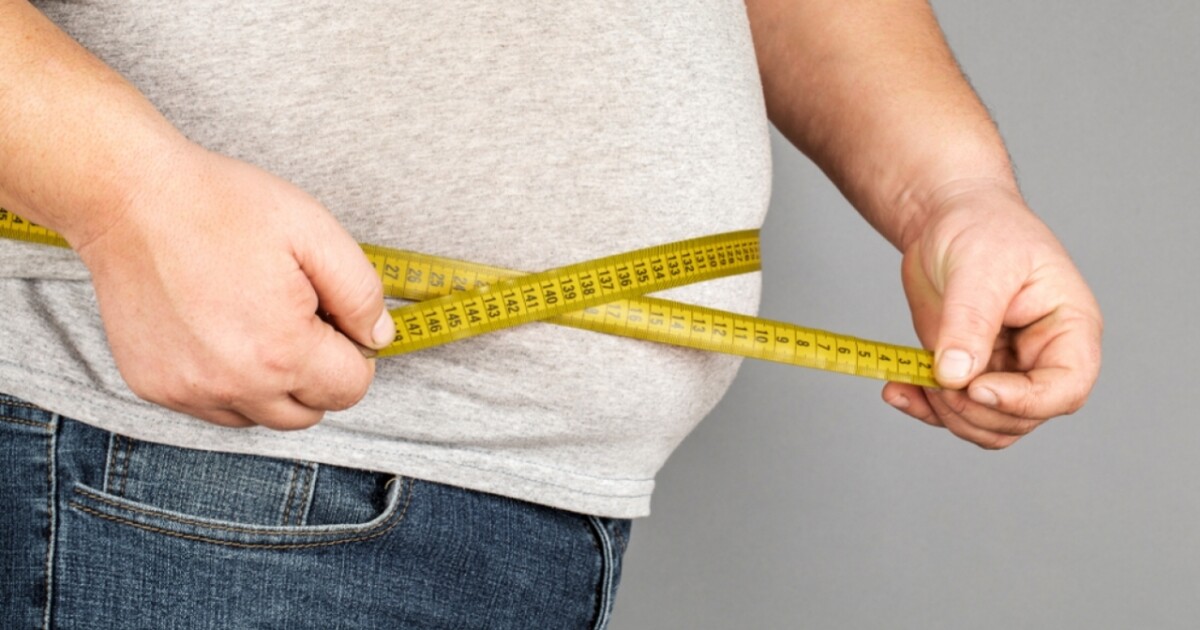
A major Johns Hopkins study has found that belly fat is a better predictor of heart disease risk than body mass index, or BMI. Researchers analyzed data from more than 260,000 people over 20 years and found that some people classified as obese by BMI may actually face lower heart risks than expected, according to WRTV.
The key finding: where fat is stored matters more than how much you weigh. People with larger waistlines faced higher heart disease risk — even if their BMI looked normal. But some people with high BMIs and smaller waistlines did not face the same elevated risk, WXYZ reported.
Belly Fat Predicts Heart Risk Better Than BMI
BMI is calculated using height and weight. It has long been used to label people as underweight, normal, overweight, or obese. But BMI cannot tell you where fat sits on the body. That is a major problem, according to News 5 Cleveland.
The Johns Hopkins study found that visceral fat — the fat stored deep in the belly around your organs — is what drives up heart disease risk. A person can have a high BMI but carry fat mostly in their hips and legs. That person may face far less danger than someone with a smaller BMI but a large waistline, WTXL reported.
260,000 People Tracked Over Two Decades
The Johns Hopkins research team did not run a small trial. They reviewed data from over 260,000 people across a 20-year period. That scale gives the findings serious weight. The study looked at how different measures of body fat lined up with real heart disease outcomes, according to KJRH.
Waist circumference consistently outperformed BMI as a warning sign. People with wide waistlines had higher rates of heart disease regardless of what their BMI said. Meanwhile, some people with BMIs in the obese range had smaller waists — and their heart risk did not rise as expected, KXLF reported.
Doctors Now Urged to Look Beyond the Scale
The American Medical Association now recommends that doctors use BMI alongside other tools. Those tools include waist circumference, body composition tests, and measures like the body adiposity index and relative fat mass. Genetic and metabolic factors should also be considered, according to KTNV.
The goal is to get a fuller picture of a patient's health. A number on a scale or a BMI chart does not tell the whole story. Doctors who rely on BMI alone may miss dangerous belly fat in some patients — and may unfairly flag others as high-risk when they are not, WXYZ reported.
What This Means for How You Think About Your Weight
For millions of Americans labeled obese by BMI, this research offers important nuance. Being classified as obese does not automatically mean your heart is in danger. Your waist size and where your body stores fat are stronger signals of risk.
Health experts say the takeaway is not to ignore weight entirely. It is to measure the right things. Ask your doctor about your waist circumference, not just your BMI. A tape measure, researchers suggest, may be one of the most powerful heart health tools available, according to WRTV.
Sentiment
NeutralPublishers
7
Articles
6
Reach
7


