Burundian Diplomatic Crisis
Burundians Flock to Nairobi Embassy Seeking Departure Documents Amid Kenya Crackdown
Anonymous
Key Points
1
The one-year laissez-passer allows Burundian nationals to travel across all East African Community member states, including Kenya, Rwanda, Uganda, Tanzania and South Sudan—not merely to return to Burundi.
2
The embassy set specific processing hours of 9 a.m. to 2 p.m. at its Denis Pritt Road offices in Kilimani, and applicants were required to submit paperwork including a passport-sized photograph.
3
The dispute was intensified by a July video showing a Kenyan man confronting a Burundian trader in Nairobi and accusing him of taking opportunities from local workers; the incident generated widespread criticism and diplomatic concern.
4
Burundi’s Foreign Minister Édouard Bizimana warned that continued anti-Burundian hate speech in Kenya could damage bilateral relations, adding a diplomatic dimension beyond the immediate enforcement operation.
5
The evacuation has been presented by Burundi as voluntary, but the government has not disclosed how many nationals registered for the buses; the actual number of people affected therefore remains unverified.
Hundreds of Burundians are fleeing Kenya after President William Ruto ordered a sweeping crackdown on foreign traders selling goods on the street and in small shops. Streamline Feed reports that Burundi's government is now arranging buses and issuing free one-year travel documents—called laissez-passer cards—to help its citizens leave. The cards allow travel across all East African Community nations, not just back to Burundi.
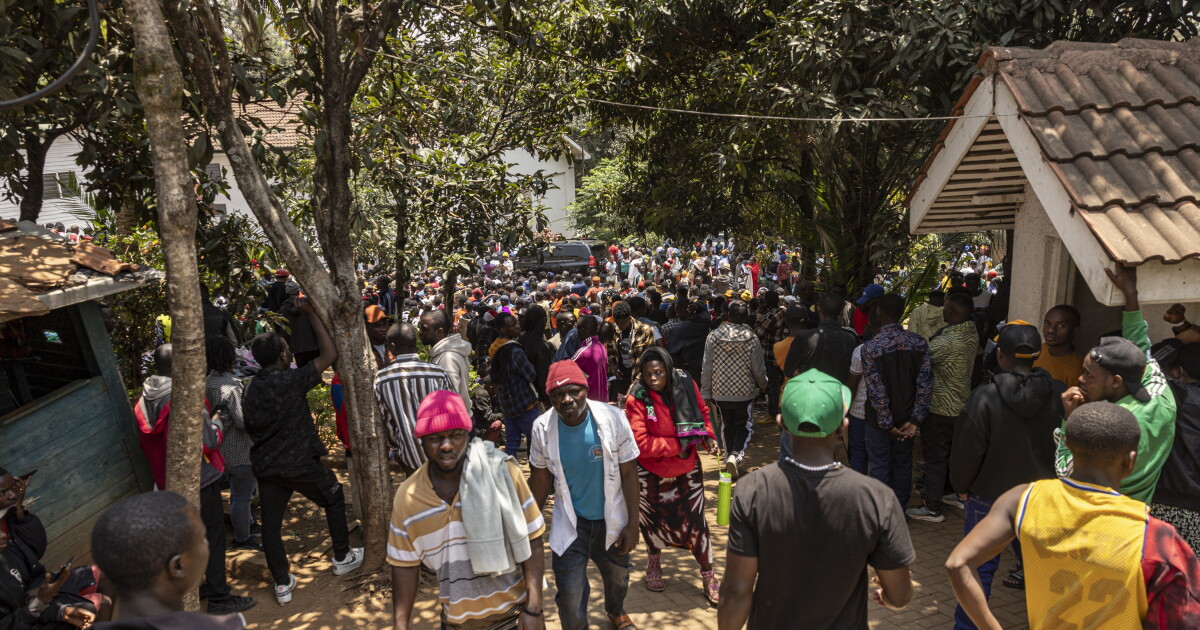
Long lines of Burundians formed at their country's embassy in Nairobi starting September 7, seeking the travel papers and passage out. Citizen Digital notes the exodus comes despite Kenya offering a temporary amnesty for foreign traders. Burundi's Foreign Minister Édouard Bizimana has warned that the crackdown could harm bilateral relations and has asked East African Community leaders to intervene.
Ruto's Order to Reserve Street Trading for Kenyans
On September 2, President Ruto directed Kenyan authorities to shut down small-scale businesses run by foreign nationals in Nairobi and other cities. Streamline Feed explains that Ruto believes hawking and petty retail should be reserved for Kenyan citizens only. Officials say many foreign traders violated visa rules or lacked proper business licenses and must either close down or get authorization to stay.
WSHU reports that the crackdown has sparked widespread fear among migrant communities across Kenya. Rights advocates worry the enforcement campaign reflects growing xenophobia rather than genuine regulatory enforcement. The policy targets vendors who sell goods from street stalls and small informal shops throughout Nairobi's commercial districts.
Burundi Accuses Kenya of Harassment and Violence
Burundi's government disputes Kenya's account, claiming its citizens have faced harassment, dispossession, and violence during the enforcement campaign. A July video showing a Kenyan man confronting a Burundian trader in Nairobi intensified tensions—the man accused the trader of stealing job opportunities from locals. The incident generated widespread criticism and raised diplomatic concerns on both sides.
Foreign Minister Bizimana warned that continued anti-Burundian hate speech in Kenya threatens the countries' relationship and regional unity. He called for an emergency summit with East African Community leadership, including Uganda's President Yoweri Museveni, to resolve the dispute. Burundi argues the crackdown targets one nationality unfairly rather than enforcing laws evenly across all foreign traders.
Embassy Processing and Unclear Scale of Evacuation
Burundi's embassy in Nairobi set specific processing hours—9 a.m. to 2 p.m.—at its Denis Pritt Road offices in Kilimani to issue the laissez-passer documents. Applicants had to submit a passport-sized photograph and other paperwork to qualify. The government arranged buses to transport Burundians to the Kenya-Uganda border and other departure points, though it has not disclosed how many people registered.
Burundi officially presented the evacuation as voluntary, but the actual number of nationals affected remains unverified. Citizen Digital notes that despite Kenya offering a temporary amnesty, many Burundians chose to leave rather than stay and attempt to comply with the new rules. The true scale of the exodus—and its long-term impact on Kenya-Burundi relations—continues to unfold.
Sentiment
Mostly NegativeNEGATIVENEUTRALPOSITIVE
Publishers
14
Articles
73
Reach
87
A
AnonymousAuthor


