Deadly Indonesia Quake
Death Toll Reaches 38 Following Earthquake Off Indonesia Coast
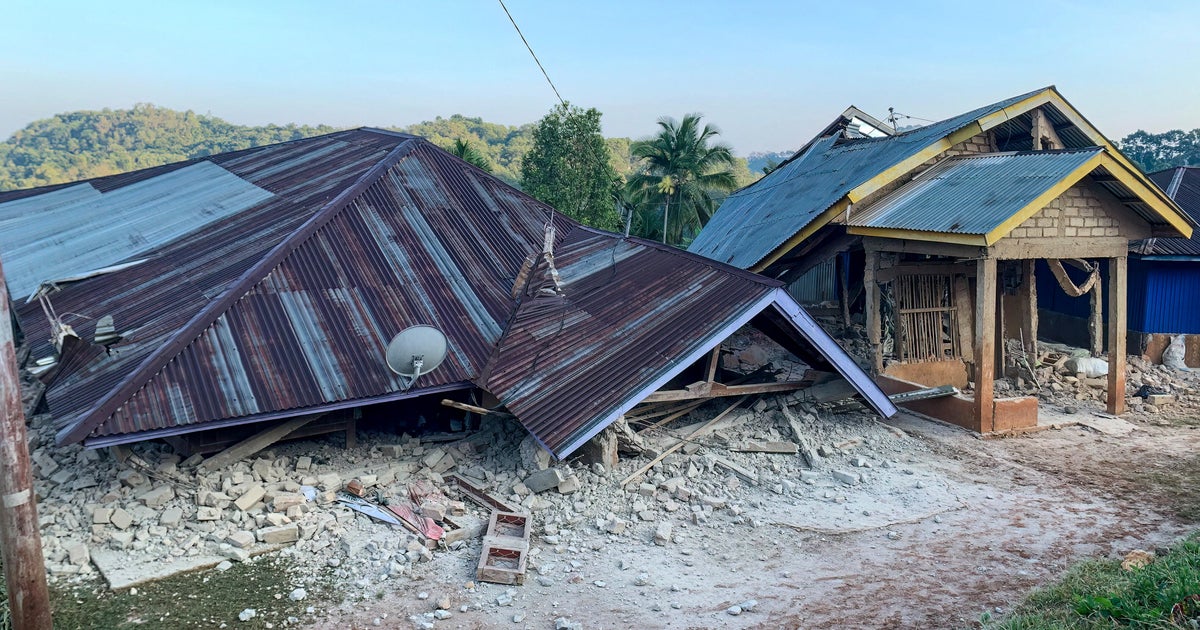
At least 38 people have died after a powerful earthquake struck off the coast of Indonesia, according to Joplin Globe. Rescue teams are working through damaged areas as authorities work to confirm the full scale of the disaster.
The death toll has been rising as emergency crews reach harder-hit areas, Erie News Now reported. Indonesia sits on the Pacific "Ring of Fire," a region of intense seismic activity that makes earthquakes a frequent and deadly threat across the archipelago.
Earthquake Strikes Off Indonesia's Coastline
The quake hit off the coast of Indonesia, triggering damage across nearby communities. Coastal and offshore earthquakes like this one can cause widespread destruction, both from the initial shaking and from waves or landslides that may follow. Authorities have not yet released details on the quake's exact magnitude or the specific region most affected.
Indonesia is one of the world's most earthquake-prone countries. The archipelago nation spans more than 17,000 islands and sits at the meeting point of several major tectonic plates. Major earthquakes strike the region multiple times per year, Journal-News reported.
Death Toll Climbs as Rescue Crews Search Rubble
The confirmed death count has climbed to 38, according to The Reflector. Rescue operations are ongoing. In past Indonesian earthquakes, death tolls have risen sharply in the days after a disaster, as teams reach remote or buried areas that were cut off in the immediate aftermath.
Injuries and missing persons figures have not yet been publicly confirmed. Local emergency agencies are leading the response on the ground. The Indonesian government has significant experience managing earthquake disasters, having dealt with deadly tremors in Sulawesi, Lombok, and Cianjur in recent years.
Indonesia's Long History of Deadly Earthquakes
Indonesia has suffered some of the world's deadliest earthquakes in recent decades. The 2004 Indian Ocean earthquake and tsunami, which originated off the coast of Sumatra, killed more than 220,000 people across multiple countries. A 2018 quake and tsunami in Palu killed more than 4,300 people.
The country's location on the Ring of Fire means its population of over 270 million people faces constant seismic risk. Authorities have invested in tsunami warning systems and disaster preparedness programs, though gaps remain — especially in remote island communities far from major cities.
What Comes Next for Survivors and Relief Efforts
Emergency teams are focused on finding survivors and reaching people trapped under collapsed buildings. In past disasters, the first 72 hours are considered the most critical window for finding people alive. Aid organizations are likely mobilizing supplies and personnel, though full relief efforts depend on access to affected areas.
Further updates on the death toll, injured, and displaced are expected as search operations continue. Officials are also monitoring the situation for any risk of aftershocks, which commonly follow major seismic events and can cause additional building collapses, The Reflector reported.
Sentiment
NeutralPublishers
5
Articles
5
Reach
5


