Indonesia Quake Aftermath
7.7-Magnitude Earthquake Strikes Indonesia, Triggering Collapses and Hindering Rescue Efforts
Key Points
Ruteng university lecturer Yulian Juita Ekalia described the shaking as feeling like being on a trampoline, saying she woke around 5:30 am to find household items scattered after the tremor.
Yohanes Babo, a resident of Nagekeo, recalled being at a market when the ground began shaking so strongly that people panicked and ran in different directions.
Witnesses reported the sea appeared to retreat near Nagekeo, prompting a tsunami warning that was later lifted as aftershocks continued to roll through the region.
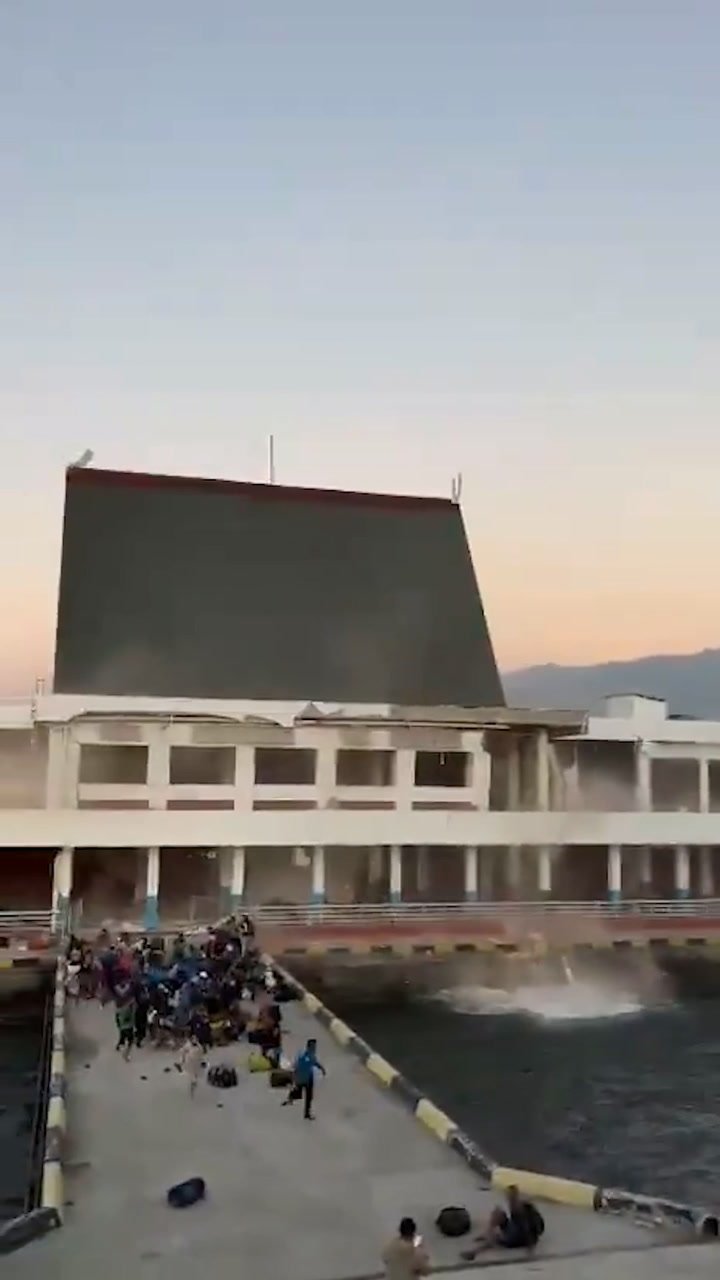
Video footage from Flores captured the moment a building wobbled and then collapsed as people fled, illustrating the rapid destructiveness of the quake.
A 7.7-magnitude earthquake struck Indonesia on Wednesday, sending buildings crashing to the ground and forcing thousands of residents to flee into open areas. Rescue teams are working to reach people believed trapped under rubble, while aftershocks — the strongest reaching magnitude 6.1 — have kept residents outdoors for hours, according to News.com.au.
Authorities issued a tsunami warning after witnesses reported the sea appeared to retreat near the coast. The warning was later lifted, but officials urged people to stay away from weakened structures as damage assessments continued across the region, The Courier Mail reported.
Buildings Collapse as Shaking Hits Multiple Towns
Video footage from Flores captured the moment a building wobbled and then crumbled as people ran for their lives, according to Adelaide Now. The destruction was not limited to one spot. People felt intense shaking across towns hundreds of kilometers from the epicenter, suggesting a very wide impact zone.
Hospitals moved patients outside into emergency tents due to fears about structural damage. Rural communities faced the worst access problems, with landslides blocking roads and slowing rescue teams trying to reach survivors trapped in rubble, Daily Telegraph reported.
Eyewitnesses Describe Pure Panic in the Streets
Ruteng university lecturer Yulian Juita Ekalia said the shaking felt "like being on a trampoline." She woke around 5:30 am to find household items thrown across the floor. Her account captures how quickly the quake turned an ordinary morning into chaos, according to Cairns Post.
In Nagekeo, resident Yohanes Babo was at a market when the ground began to shake. "People panicked and ran in different directions," he said. The scene in Nagekeo was repeated across the region as the quake struck without warning, News.com.au reported.
Tsunami Warning Issued Then Lifted Near Nagekeo Coast
Witnesses near Nagekeo said the sea appeared to pull back from the shore — a classic warning sign of an incoming tsunami. Authorities quickly issued an alert, sending coastal residents scrambling inland, according to The Courier Mail.
The warning was lifted after no large wave arrived. But dozens of aftershocks kept fear alive, with the strongest hitting magnitude 6.1. Officials urged residents to stay away from any structure that may have been weakened by the main quake, Adelaide Now reported.
Rescue Efforts Blocked by Landslides and Remote Terrain
Landslides triggered by the quake blocked key roads, cutting off some of the hardest-hit communities. Rescue teams could not reach all affected areas quickly. At least two people were believed trapped under rubble, with operations still under way, Daily Telegraph reported.
Officials said rural areas posed the biggest challenge for response teams due to limited road access and rough terrain. Damage assessments were still ongoing, and the full scale of destruction was not yet clear, according to Cairns Post.
Sentiment
Mostly NegativePublishers
18
Articles
30
Reach
48


