Energy Price Cap Rise
Ofgem Announces Four Percent Energy Price Cap Rise Beginning In October
Anonymous
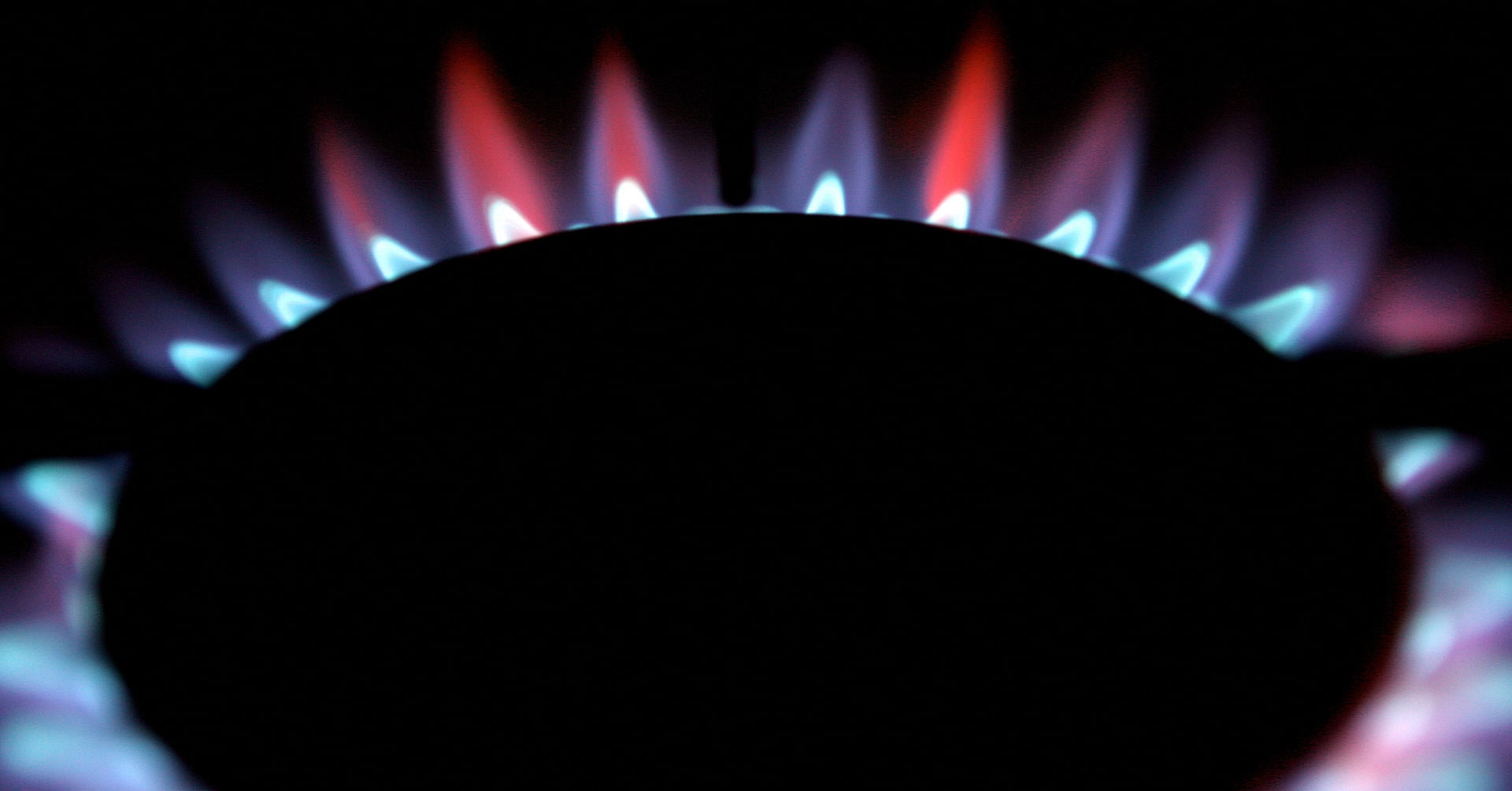
The UK's energy regulator Ofgem announced a 4% rise in the energy price cap effective October 1, marking a three-year high for British households. A typical household will see bills increase by £60 per year, or about £5 per month, according to Ofgem. The hike stems from soaring wholesale gas prices triggered by the Iran conflict and ongoing supply disruptions.
Gas prices for domestic users across England, Scotland, and Wales are expected to jump by up to 25 percent. Reuters reports the price cap will remain in effect through December, with families bracing for a costly winter ahead as geopolitical tensions push energy costs higher.
How the Iran War is Driving Up Gas Prices
Wholesale gas costs have surged following escalations in the Iran conflict. Market Screener notes that supply disruptions from the Middle East tensions have squeezed global energy markets. These disruptions filter through to the UK's energy system within weeks, raising the price suppliers pay for gas.
The price cap adjusts every three months based on wholesale costs. Ofgem tracks gas and electricity prices and passes increases to households when markets rise. This October adjustment reflects months of elevated wholesale rates driven by geopolitical uncertainty in oil and gas-producing regions.
What UK Households Will Actually Pay This Winter
The £60 annual increase translates to roughly £5 extra per month for a typical household, according to Daily Mail and Yahoo News. This pushes the average annual energy bill to a three-year peak, making 2024 one of the most expensive years for UK energy consumers since the post-pandemic recovery began.
Renters and low-income families will feel the squeeze hardest. Energy suppliers are already signaling that additional price hikes may follow if wholesale costs remain elevated. Reuters warns that the price cap through December could be just the beginning of winter cost pressures.
Price Cap Timeline and What Comes Next
The 4% increase takes effect October 1 and runs through December 31. Ofgem reviews the cap quarterly, meaning households may see further changes announced in January 2025 if wholesale rates don't stabilize. Energy analysts expect volatility to continue as long as Middle East tensions persist.
Consumers can take steps to reduce bills: insulate homes, install thermostats, and switch suppliers during the open enrollment periods. However, with nearly all major suppliers facing similar wholesale cost pressures, switching offers limited savings. Policy experts are calling for government intervention to shield vulnerable households.
Sentiment
NeutralNEGATIVENEUTRALPOSITIVE
Publishers
5
Articles
3
Reach
5
A
AnonymousAuthor


