Azure AI Collaboration Expands
Microsoft and Databricks Extend Azure Partnership Into 2030s for Enterprise AI
Anonymous
Key Points
1
Databricks plans to deploy Azure Cobalt’s Cobalt 200 processors, delivering up to 50% better performance and encryption by default for memory, enhancing security and efficiency for data-intensive workloads.
2
As part of the expanded integrations, Databricks Genie will be connected with Microsoft Foundry, OneLake and Purview, expanding how business data and AI assistants access enterprise data across platforms.
3
Databricks intends to build its unified data lakehouse on the Azure Databricks platform and run its own core operations and analytics on Azure while expanding its use of the Azure stack.
4
Judson Althoff highlighted that the next generation of AI will be defined by how effectively organizations turn their unique knowledge into intelligence, underscoring the business rationale for the expanded partnership.
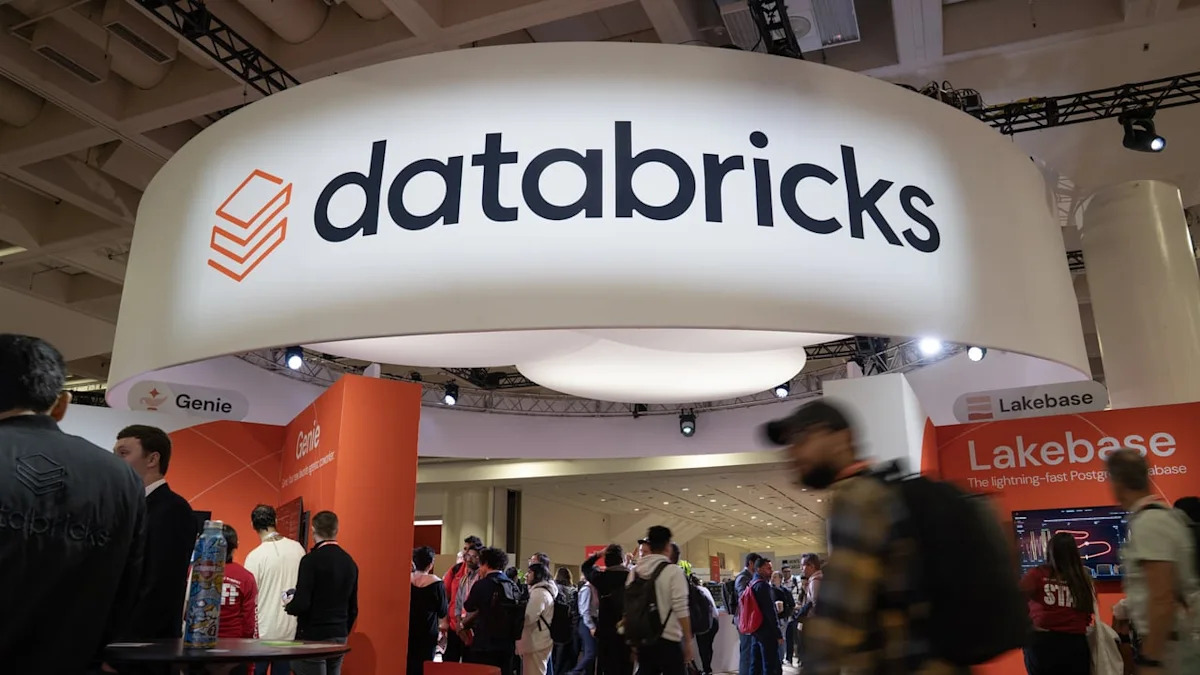
Microsoft and Databricks are extending their strategic partnership into the 2030s, deepening how enterprises use AI and data at scale. The deal means Databricks will run its own core business operations and analytics on Microsoft's Azure cloud platform, according to Yahoo Finance.
The expanded alliance covers tighter integration of Databricks' tools across Microsoft products — from Power BI and Teams to Copilot and Microsoft 365. It also brings Microsoft's custom silicon into the mix, with TipRanks reporting the move as a major win for Azure's cloud business.
Azure Cobalt Chips to Power Data-Intensive AI Workloads
One of the biggest technical upgrades in the deal involves Microsoft's custom processors. Databricks plans to deploy Azure Cobalt's Cobalt 200 chips, which deliver up to 50% better performance for data-heavy tasks, according to Freedom 96.9. The chips also include encryption by default for memory, boosting security out of the box.
This matters because agentic AI — software that acts on its own to complete tasks — demands serious computing power. Faster, more secure chips mean enterprises can run larger AI workloads without slowing down or exposing sensitive data. MarketScreener called the custom chip expansion a significant win for Microsoft's Azure platform.
Databricks Genie Connects Deeper Into Microsoft's Product Stack
Databricks Genie is an AI assistant that helps business users ask questions about their data in plain language. Under the expanded deal, Genie will connect directly with Microsoft Foundry, OneLake, and Purview. That means workers can pull insights from enterprise data without needing to switch tools or write code.
The integration also extends to everyday Microsoft products. Teams users, for example, could query business data through Genie without leaving the app. Databricks Community noted that this architectural expansion changes how AI assistants access enterprise data across platforms — making the experience faster and more seamless.
Unity AI Gateway Brings Centralized Control Over AI Costs and Models
Managing AI at scale is messy. Companies struggle to track which models run where, how much they cost, and who has access. The partnership addresses this with Unity AI Gateway — a single control layer to manage models, agents, usage, and costs across an organization.
This kind of governance tool is key for large enterprises that need to stay compliant and keep budgets in check. The goal is to reduce friction when adopting AI — making it easier for companies to go from small pilots to full deployment, according to Yahoo Finance.
Microsoft Executive: Unique Data Is the Next AI Battleground
Microsoft's Executive Vice President Judson Althoff framed the deal around a clear business idea. He said the next generation of AI will be defined by how well organizations turn their own unique knowledge into intelligence. That puts proprietary company data — not just general AI models — at the center of competitive advantage.
Both companies are betting that enterprises want AI built on their own data, not generic tools. TipRanks noted the partnership signals a sustained push to normalize enterprise-grade AI at scale. With the deal locked in through the 2030s, Microsoft and Databricks are positioning themselves as the default platform for that shift.
Sentiment
Mostly PositiveNEGATIVENEUTRALPOSITIVE
Publishers
13
Articles
82
Reach
95
A
AnonymousAuthor


