Ryanair Faces Profit Squeeze
Ryanair Reports 34% Profit Drop Amid Soaring Jet Fuel Costs and Reduced Fares
Anonymous
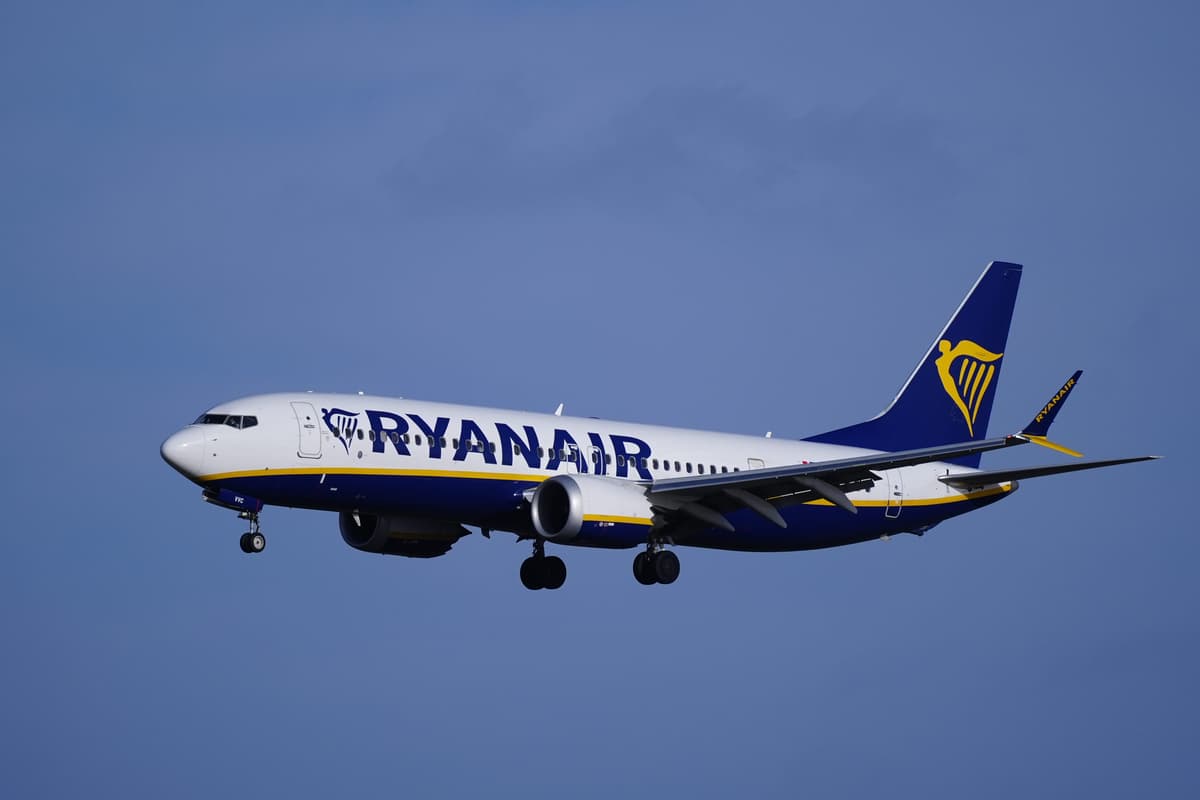
Ryanair has reported a 34% drop in after-tax profits to €538 million (£457 million) for the three months ending June, hit hard by soaring jet fuel costs and a deliberate cut in fares. The results mark a sharp reversal for Europe's largest low-cost carrier, even as passenger numbers climbed 6% and total revenues edged up 1% to €4.38 billion. Yahoo Finance reported the figures reflect a squeeze from both sides: higher costs and lower ticket prices.
Jet fuel prices roughly doubled following the Iran war, adding significant pressure to operating costs. At the same time, Ryanair cut average fares by 6% to stimulate demand amid growing consumer uncertainty. CEO Michael O'Leary said the airline acted deliberately to keep planes full, even at lower margins.
Iran War Sends Jet Fuel Costs Soaring
The conflict involving Iran sent shockwaves through global energy markets. Jet fuel prices doubled as supply concerns gripped the aviation industry. According to Evening Standard, EU fears over jet-fuel shortages added to the pressure on airlines across Europe. For Ryanair, fuel is one of its biggest costs, so the spike hit the bottom line hard and fast.
Ryanair had hedged some of its fuel exposure in advance, which softened the blow slightly. But with prices doubling, even hedged positions could not fully protect profits. The airline now faces continued uncertainty over how long elevated fuel prices will last, depending on how the Iran conflict develops.
Ryanair Slashes Fares to Fill Seats
Faced with nervous consumers, Ryanair made a calculated decision to cut fares. Average ticket prices fell 6% during the quarter. O'Leary said the move was a direct response to economic uncertainty and weaker consumer confidence. The strategy worked in terms of passenger numbers — 6% more people flew with the airline. But it came at a cost to profit margins.
The fare cuts are not stopping anytime soon. Despite a slight uptick in bookings, fares are still falling. Ryanair appears willing to sacrifice short-term profit to maintain load factors — a term for how full planes are. Keeping planes full is central to the low-cost model, even if each seat earns less.
Revenue Holds Up Despite Margin Pressure
Overall revenues rose 1% to €4.38 billion (£3.72 billion), showing that Ryanair's volume strategy is partly working. More passengers flying kept the top line from falling, even as fares dropped. Evening Standard noted the airline still generated over half a billion euros in profit — a figure many airlines would envy — but it was well below what Ryanair posted a year ago.
The 34% profit drop is stark by any measure. A year earlier, conditions were far more favorable: fuel was cheaper and consumers were spending freely after years of COVID-era travel restrictions. The current environment — with geopolitical tensions and economic worry — is very different. Ryanair is profitable, but the gap between last year and now is hard to ignore.
What Comes Next for Ryanair's Outlook
O'Leary did not paint a rosy picture for the months ahead. Fares are still under pressure, and fuel costs remain elevated. The slight rise in bookings offers some hope, but the airline has not signaled any near-term recovery in average prices. Consumer uncertainty — driven by economic fears and the ongoing Iran conflict — continues to weigh on the market.
Ryanair's bet is that low fares will keep demand strong enough to offset the cost squeeze. If fuel prices ease as the geopolitical situation stabilizes, the airline could recover quickly. But for now, Europe's biggest budget airline is flying into a headwind on two fronts: costs up, fares down.
Sentiment
NeutralNEGATIVENEUTRALPOSITIVE
Publishers
5
Articles
4
Reach
5
Topics
A
AnonymousAuthor


