Oil Fuels Market Drop
Asian Shares Decline Amid Rising Oil Prices and Inflation Concerns
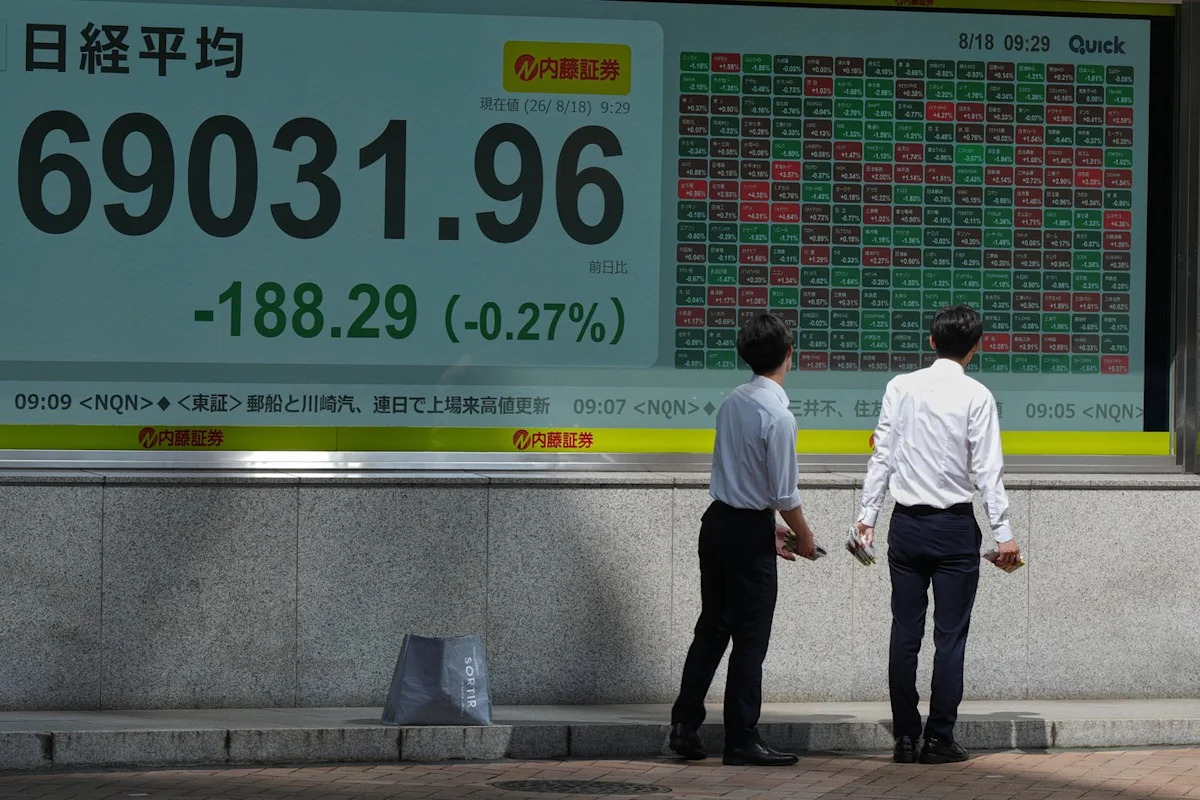
Asian stock markets fell on Thursday as rising oil prices and inflation fears dragged down most benchmarks. Japan's Nikkei 225 led the losses, dropping 1.6% to 68,098.54, while South Korea's Kospi fell 0.6%, Hong Kong's Hang Seng lost 0.5%, and Shanghai's Composite shed 0.3%, according to Lancaster Online.
The declines came even as strong corporate earnings reports offered some comfort to investors. Rising oil prices pushed Treasury yields higher in the bond market. That added pressure on the broader economy and on investments, Voice of Alexandria reported.
Oil Price Rally Hits Markets Across the Region
Surging oil prices were the main drag on Asian shares. Higher oil prices raise the cost of doing business and stoke fears of inflation. Inflation means everyday goods get more expensive, and central banks may raise interest rates in response. That makes borrowing costlier and slows economic growth, according to Daily Item.
The Iran conflict has been a key driver of the oil price rise. Analysts say fears about disruptions to global crude supply are pushing prices up. Higher oil costs ripple quickly through Asian economies, many of which depend heavily on energy imports, KTBS reported.
Treasury Yields Rise, Adding Pressure on Investors
The oil rally pushed U.S. Treasury yields higher. Treasury yields are the interest rates the U.S. government pays to borrow money. When yields rise, they compete with stocks for investor dollars. That can pull money out of markets and push share prices down, according to Journal-News.
Wall Street also felt the pressure. The Dow Jones Industrial Average dropped 272 points, or 0.4%. The Nasdaq composite slipped 0.3%. Both indexes fell as the bond market signaled growing concern about the inflation outlook, Dayton Daily News reported.
Strong Earnings Soften the Blow for Some Markets
Not all the news was grim. Australia's S&P/ASX 200 bucked the trend, rising 0.2%. Robust corporate earnings reports helped cushion the fall in several markets. Strong profits from major companies gave investors some reason for optimism even as oil worries mounted, Enid News noted.
Analysts said earnings results in Asia were following a positive pattern set earlier in the U.S. reporting season. Companies posting better-than-expected profits helped prevent steeper losses across the region. Still, the oil price story dominated sentiment for most of the session, according to HJ News.
Iran War Fears Keep Global Energy Outlook Uncertain
The conflict involving Iran remains the central worry for energy markets. Any disruption to oil flows from the Middle East can quickly drive up global crude prices. Higher crude means higher fuel costs for factories, airlines, and consumers alike. Markets are watching the situation closely for any sign of escalation, Yahoo Finance reported.
Until the oil price outlook becomes clearer, investors are expected to stay cautious. Even strong earnings may not be enough to lift markets if energy costs keep climbing. The balance between good corporate results and rising inflation fears will likely define market moves in the days ahead, according to Lancaster Online.
Sentiment
NeutralPublishers
9
Articles
9
Reach
9


