Lebanon Framework Test
Southern Lebanon Pilot Zones Launch Amid Israeli Withdrawal Efforts and Hezbollah Disarmament Resistance
Anonymous
Key Points
1
Only Zawtar Al-Gharbiya was under IDF control; the other two pilot zones (Froun and Srifa) were not occupied by Israeli forces, highlighting on-the-ground deployment complexities.
2
The pilot zones are to be tested and verified by a third party to confirm the Lebanese Armed Forces' ability to assert sovereignty in the south.
3
Hezbollah insists disarmament cannot proceed, stating 'without Hezbollah, nothing will happen' despite the framework.
4
The pilot-zone rollout is framed as a direct outcome of Rome talks, with U.S. Secretary of State Rubio hosting Lebanese President Aoun and Aoun set to meet President Trump, signaling high-level diplomacy behind the process.
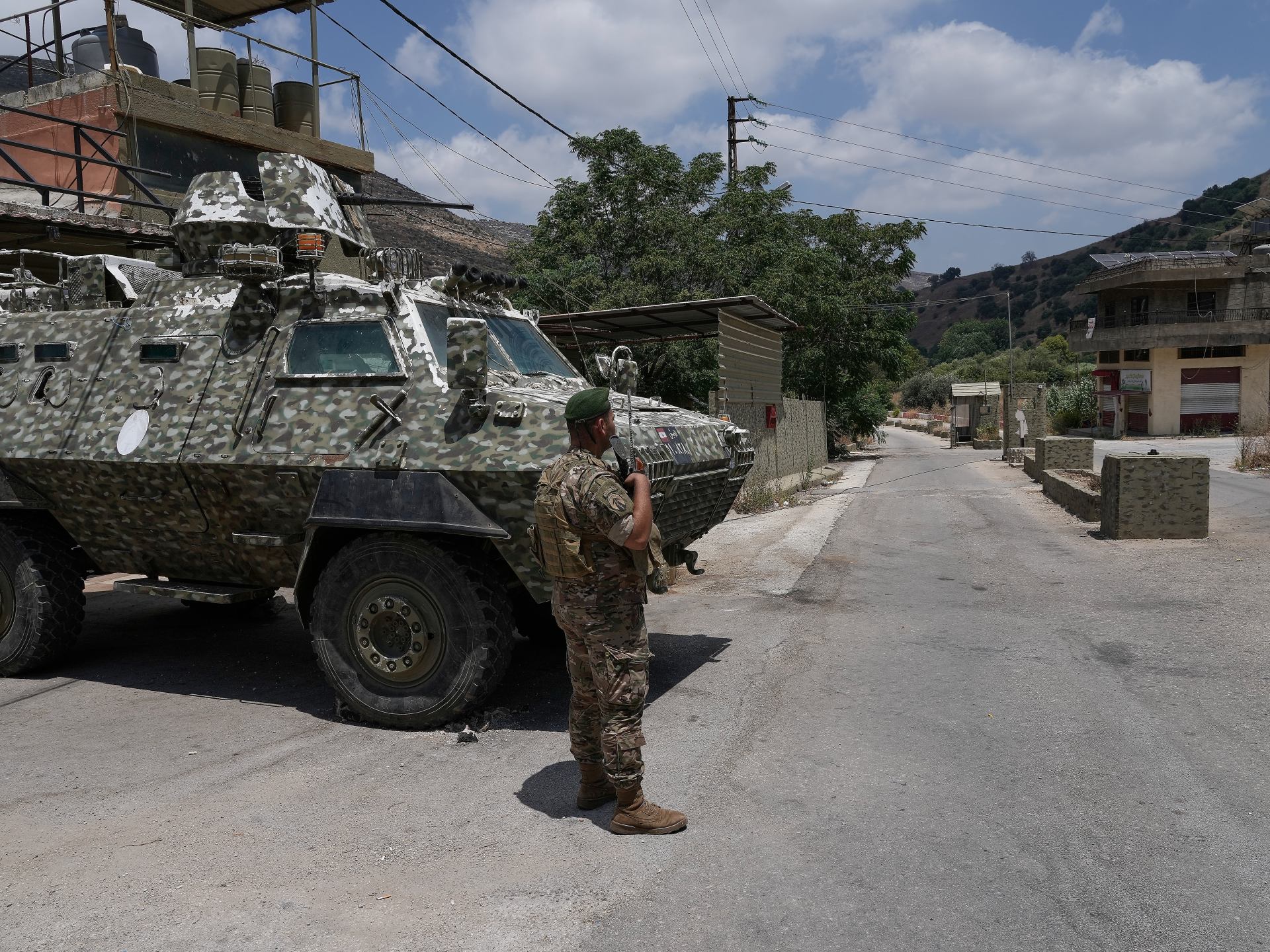
The Lebanese Armed Forces have begun operations in three southern Lebanon villages — Froun, Srifa, and Zawtar al-Gharbiyeh — marking the first rollout of so-called "pilot zones" under a new trilateral security framework, Al Jazeera reported. The move is designed to test whether Lebanon's military can assert control in the south before the process expands to wider areas.
The U.S. State Department confirmed the launch, tying the pilot zones to a framework agreed in late June between Israel, Lebanon, and the United States, according to Yahoo News. Under the deal, Israeli forces withdraw in phases as Hezbollah is disarmed — a condition Hezbollah has flatly rejected.
Only One of Three Zones Was Under Israeli Control
A key complication emerged at the start: only Zawtar al-Gharbiyeh was actually under Israeli Defense Forces control when the pilot zones were announced, according to Al Jazeera. The other two villages — Froun and Srifa — were not occupied by Israeli forces at all. That gap highlights how messy the on-the-ground reality is compared to the diplomatic framework.
Third-party verification is built into the process. A neutral party will confirm whether the Lebanese Armed Forces can truly hold sovereign control in each zone before the framework expands, Newsy Today reported. The pilot-zone model is meant to build trust step by step rather than attempt a sweeping, simultaneous handover.
Hezbollah Refuses to Disarm Despite the Deal
Hezbollah has made its position clear. The group stated that "without Hezbollah, nothing will happen," signaling it will not cooperate with disarmament efforts tied to Israeli withdrawal. The group's refusal is the central obstacle to the entire framework moving forward.
The framework was agreed in late June and links Israeli disengagement directly to Hezbollah giving up its weapons in the south, according to Yahoo News. Hezbollah has long argued its arms are a resistance force against Israel, not a militia to be disbanded on outside demand. The pilot zones are, in part, a way to pressure the group by showing the Lebanese army can fill the security vacuum.
Rome Talks and a White House Meeting Drive the Push
The pilot-zone launch came directly out of diplomatic talks held in Rome, according to Al Jazeera. U.S. Secretary of State Marco Rubio hosted Lebanese President Joseph Aoun on the sidelines of those talks. The meeting signaled strong American investment in making the framework work.
Aoun is also set to meet President Trump, raising the diplomatic stakes further, Yahoo News reported. High-level U.S. engagement suggests Washington sees the pilot zones not just as a local security test but as a broader signal about post-war stability in southern Lebanon.
What Comes Next If the Pilot Zones Succeed
If third-party verification confirms the Lebanese Armed Forces have effective control in all three villages, the framework calls for expanding the model to additional areas in the south, according to Newsy Today. The gradual, test-first approach is intended to avoid a repeat of past failures where ceasefires collapsed quickly.
Israel's phased withdrawal depends entirely on that verification holding up. If Hezbollah disrupts Lebanese army deployments or refuses to vacate areas, the process stalls. The coming weeks in Froun, Srifa, and Zawtar al-Gharbiyeh will serve as the real test of whether the June framework has any teeth.
Sentiment
Mostly NegativeNEGATIVENEUTRALPOSITIVE
Publishers
35
Articles
165
Reach
200
Topics
A
AnonymousAuthor


