Opera Orchestra Strike
San Francisco Opera cancels opening night performance as orchestra musicians strike over pay cuts.
Anonymous
Key Points
1
The walkout was announced only hours before the curtain was scheduled to rise, after Saturday negotiations over pay broke down.
2
General Director Matthew Shilvock said the compensation structure dates back 45 years and no longer reflects current conditions, arguing that it must be brought into alignment with the changing realities of the arts.
3
The musicians said six productions had sold out over the previous three years and that donations had risen by $8 million compared with the prior year.
4
Management said the orchestra’s compensation had become increasingly out of line with the amount of work available and that gradual structural adjustments were necessary, not simply a one-time reduction in pay.
5
The strike occurred as the company was beginning its 104th season, a detail Shilvock emphasized in expressing disappointment over the canceled opening-night performance.
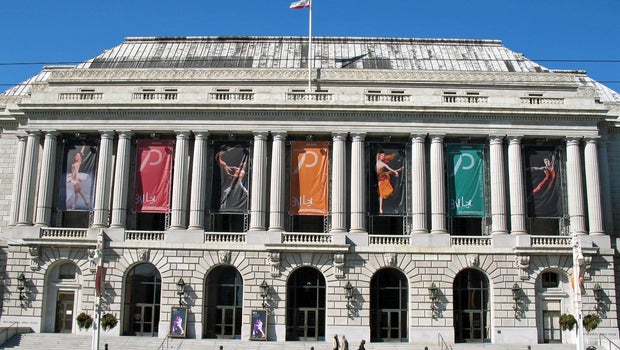
San Francisco Opera canceled its 104th season opening on September 12 after orchestra musicians walked out hours before curtain. The strike halted the planned premiere of Verdi's "Simon Boccanegra" and forced cancellation of the September 13 Opera in the Park concert. The New York Times reported that negotiations over a new contract broke down Saturday, leaving both sides hoping to resume talks.
The dispute centers on pay cuts management says are necessary to address a roughly $15 million structural deficit. Musicians argue the cuts are unjustified, citing strong ticket sales, an $8 million increase in donations, and San Francisco's rising cost of living. CBS News noted that management initially proposed a 26% pay reduction, later reduced to 20%, plus a five-year wage freeze.
Contract Expired After Months of Failed Talks
The orchestra's contract expired July 31 after mediated negotiations produced no agreement. SFist reported that unionized musicians rejected management's compensation proposals as unfair. General Director Matthew Shilvock said the current pay structure, unchanged for 45 years, no longer fits the company's financial reality and must evolve.
Management argues the orchestra's compensation has become misaligned with available work. Shilvock said gradual structural adjustments are necessary, not just a one-time pay cut. He emphasized the importance of updating the contract to reflect changing conditions in the arts industry.
Musicians Point to Full Coffers and Strong Sales
The orchestra's union countered that six productions had sold out over the past three years, contradicting claims of financial hardship. Donations rose by $8 million compared with the prior year, showing strong donor support. Musicians argue these metrics prove the company can afford fair wages without deep cuts.
The union also highlighted San Francisco's steep cost of living and inflation's impact on musicians' expenses. They say management's initial 26% cut, reduced to 20%, remains excessive given the company's recent financial performance and community support.
Ticketholders Offered Refunds or Future Credits
San Francisco Opera offered affected patrons three options: full refunds, donations to support the company, or credit toward performances in the 2026–27 season. The cancellation disrupted plans for the company's 104th season launch, a milestone Shilvock highlighted in expressing disappointment about the opening-night loss.
Both sides indicated a willingness to return to negotiations. The strike represents a rare work stoppage in the company's long history, marking a significant rupture between management and the musicians during a pivotal season launch.
Sentiment
Mostly NegativeNEGATIVENEUTRALPOSITIVE
Publishers
13
Articles
9
Reach
22
Topics
A
AnonymousAuthor


